MAIN ARTICLE
A decisive vote after a long parliamentary struggle
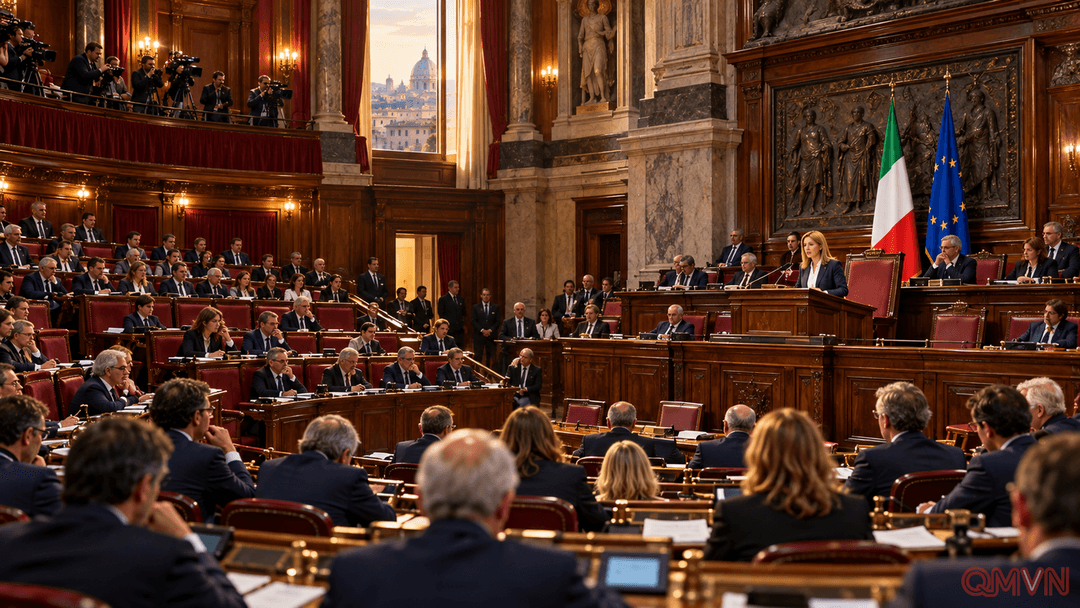
The secret-ballot result marked the end of a parliamentary process requiring four separate votes. After months of bargaining within her governing alliance, Meloni secured passage by 227 votes to 164. Her message after the vote was straightforward: whoever wins an election must also be able to govern. The outcome gives her administration a legislative success as Italy approaches another national campaign.
Democratic Party leader Elly Schlein challenged the reasoning, promising that the centre-left could prevail under any electoral arrangement. The competing arguments express a persistent dilemma in Italian politics: a voting system can seek faithful representation of diverse views, a durable executive majority, or a compromise between the two, but each choice creates trade-offs.
The 42% threshold redraws coalition incentives
The new formula distributes seats proportionally while granting a majority bonus to a coalition above 42% of the vote. Reuters’ account of the provisions describes 70 additional seats in the Chamber of Deputies and 35 in the Senate, with caps intended to prevent an excessively large majority.