MAIN STORY
A forecast that reaches into every neighborhood
The description “super-aged” in this report is tied to the projected share of residents aged 60 and above. That should not be conflated with international classifications that use the population aged 65 or older. The underlying direction, however, is unmistakable: the capital is moving toward a demographic balance that will influence virtually every public service.
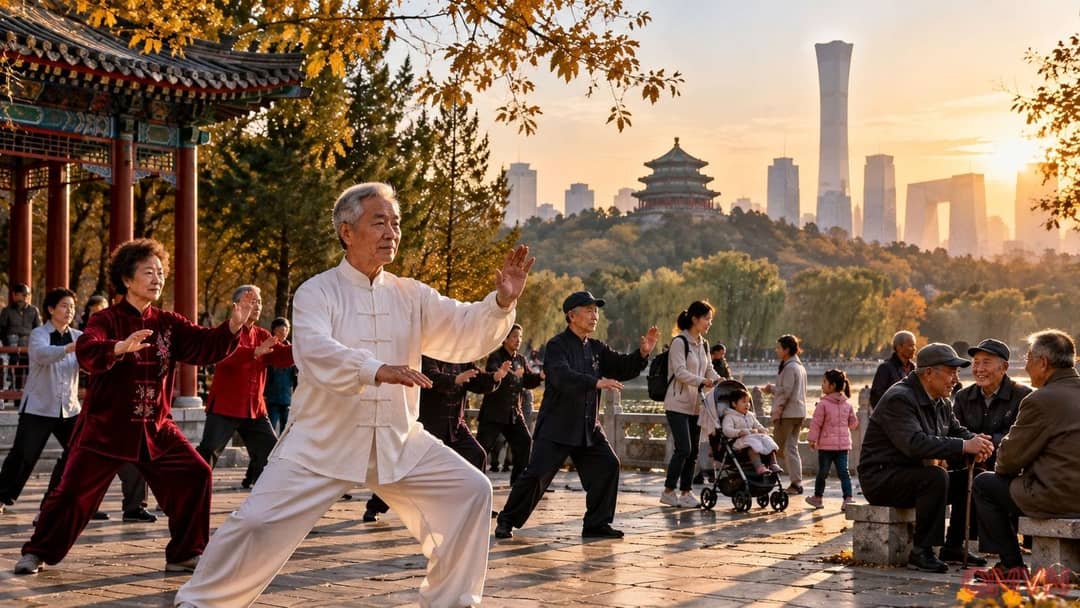
Beijing counted approximately 5.29 million permanent residents aged 60 or above at the end of 2025. By 2035, their projected share would be around one-third. These numbers translate into practical choices for families arranging care, clinics managing appointments, residential compounds retrofitting entrances, and public transport operators accommodating passengers with reduced mobility.
Accessible pavements, reliable lifts, community-based health services and safer housing can make the difference between a long life lived independently and one constrained by preventable obstacles. Urban planning for older residents is therefore not a niche welfare issue: it is part of the basic infrastructure of a functioning city.