Main body
Two opposing visions of the wage agreement
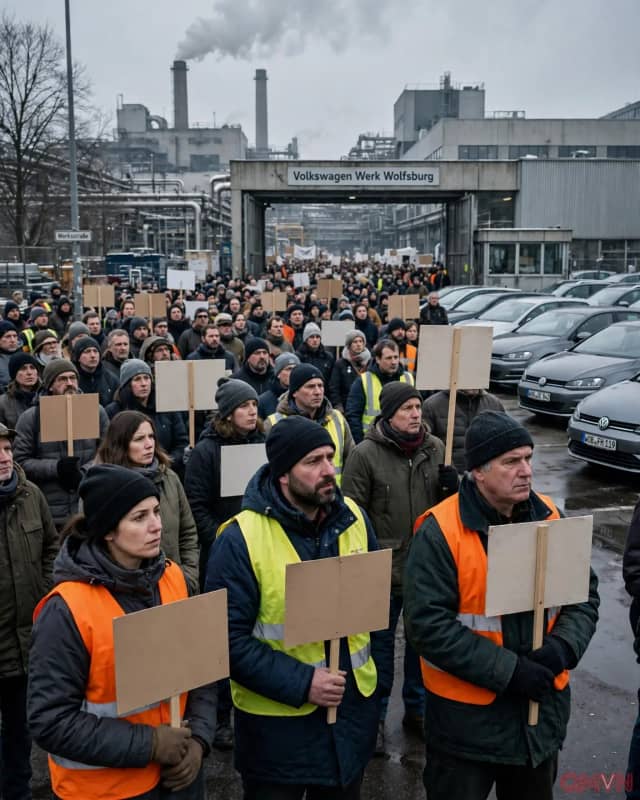
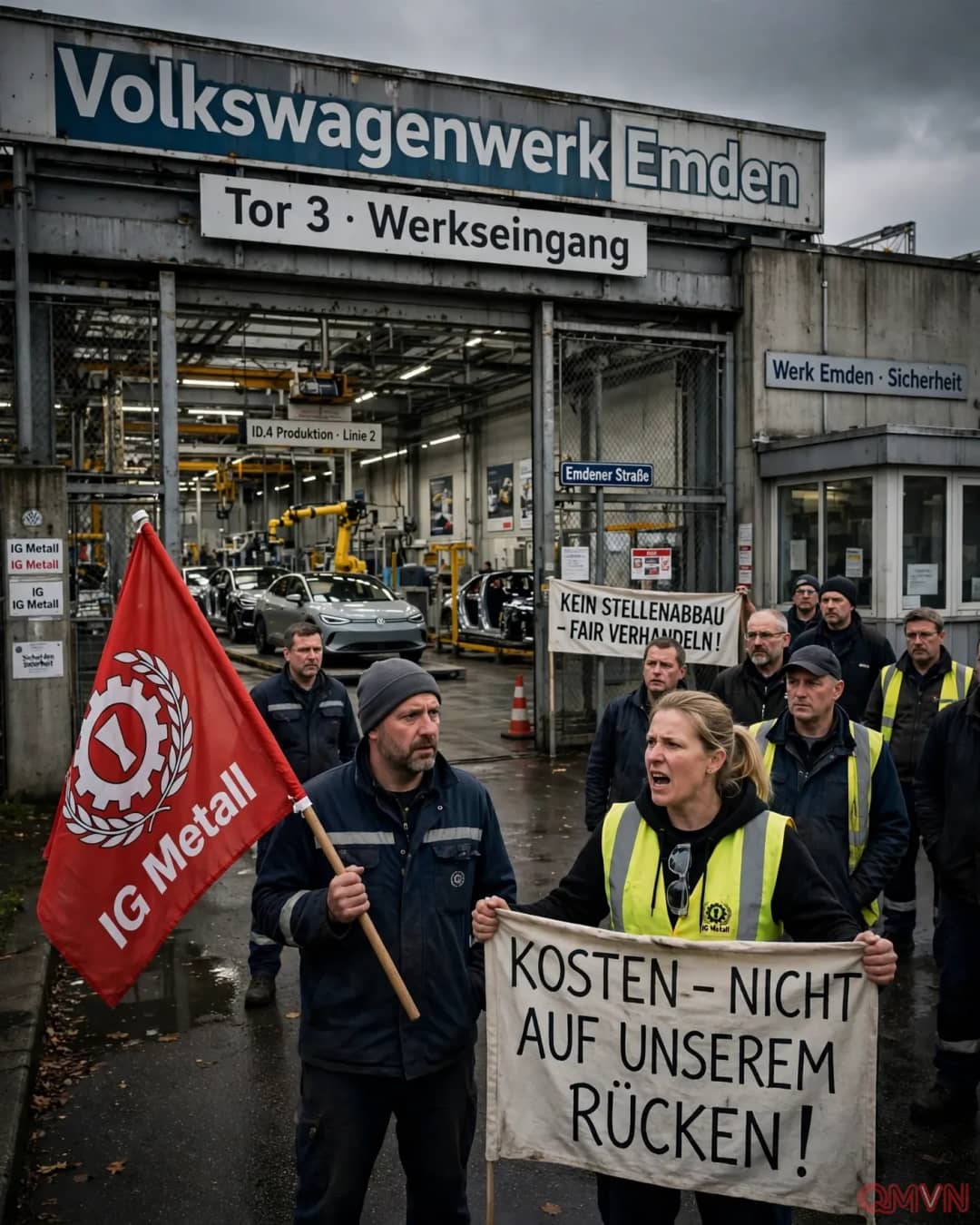
The talks began at a site whose own future is uncertain. Emden has become a symbol of the difficulty of reconciling domestic manufacturing with changing global demand. Workers were expected to demonstrate before the negotiating teams met. Volkswagen’s October 23 announcement confirmed the date and location of the talks, following discussions with the union over terminated agreements.
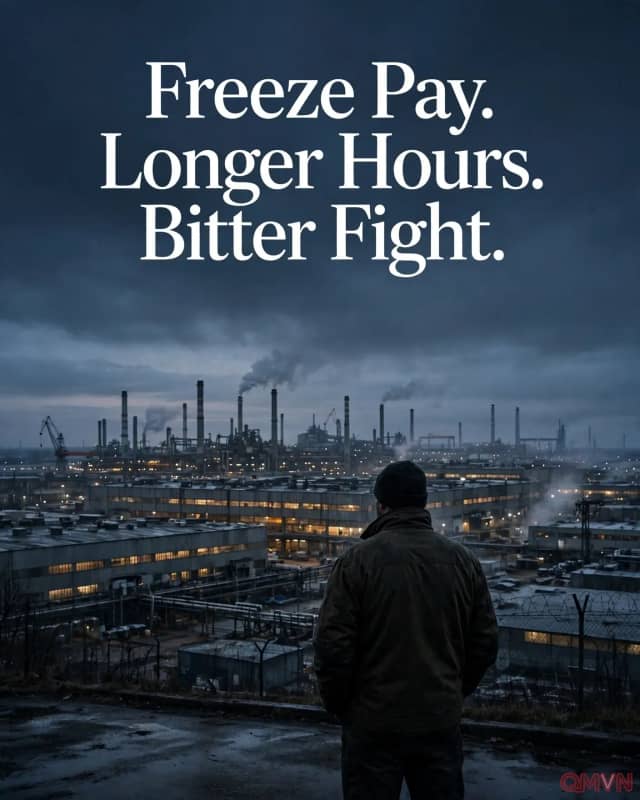
IG Metall’s published bargaining platform seeks a five percent pay increase over twelve months. Management, by contrast, has proposed holding wages unchanged in 2027 and 2028. The gap is not simply a disagreement over percentages. It reflects competing assessments of who should absorb the financial risks associated with the industrial transition. A nominal freeze can reduce purchasing power when prices rise, while higher labour expenses can put additional pressure on a business with weak profitability.
Working time and benefits under scrutiny
According to the reference Reuters report, management wants more flexibility in the established 35-hour working week, including longer hours without extra pay when required. The November 19 letter examined by the news agency also proposes removing certain managerial pay arrangements, anniversary rewards, paid breaks and holiday leave benefits. These are bargaining demands rather than measures already imposed.