September Loses Steam
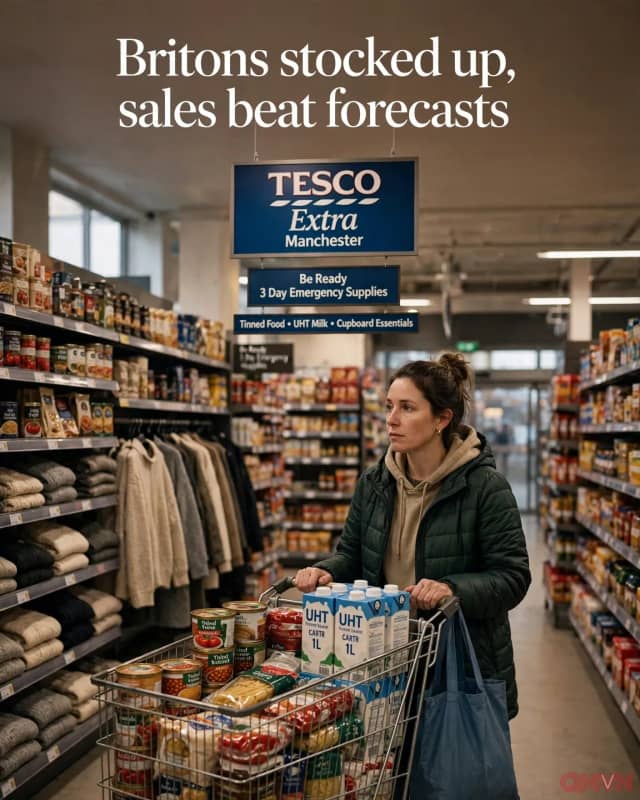
According to the ONS, supermarket sales fell in September after growth in July and August, while warm weather meant shoppers were in no hurry to buy autumn clothing. The 0.4% fall in retail sales volumes was far larger than the 0.1% drop expected by most economists in a Reuters poll.
Even so, the quarterly picture remained positive: total sales volumes rose 0.7% in the three months to September, helped by the soccer World Cup and a summer heatwave, while the ONS revised up its figures for July and August. In recent months, British shoppers had surprised analysts with the strength of their spending; the two biggest food retailers, Tesco and Sainsbury’s, fast-food chain Greggs and home improvement retailer Kingfisher have all recently upgraded their annual profit guidance.
Consumer Confidence Tumbles
A GfK survey published on Friday morning showed that consumer confidence in October suffered its sharpest month-on-month fall since early in the COVID-19 pandemic. Excluding the pandemic, the last drop of similar size came after the June 2016 Brexit referendum.
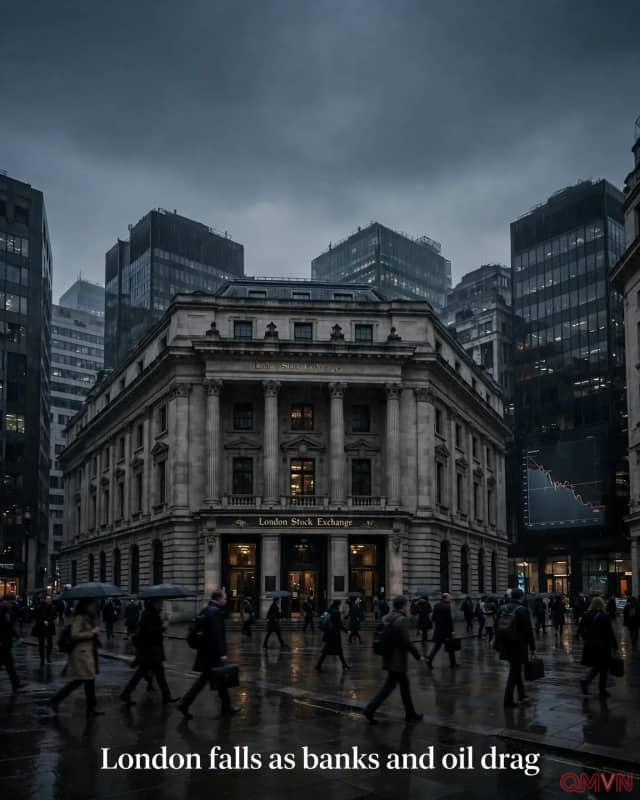
The drop in retail sales in September and sharp fall in consumer confidence in October raises the risk that the economy’s recent run of resilience might be coming to an end.
Analysts at Pantheon Macroeconomics said it was unclear whether the drop reflected worries about the budget, a fading of the boost to confidence after Andy Burnham became prime minister, or something more fundamental.
Confidence had been at a two-year high, they noted, but GDP growth looks likely to ease sharply from the 0.7% quarterly pace expected in the third quarter to about 0.2% in the fourth.
The Burden of Fuel Prices
The ONS said fuel sales volumes rose 2.2% in September from August, when many drivers had only partially filled their tanks in response to the jump in prices caused by the Iran war. The value of spending on fuel rose by more than 6% in September, after a similar increase in August. That pressure is unlikely to ease soon, with Brent crude hitting $114.10 a barrel on Friday, a five-month high. British households face pressure on several fronts:
- Sharply higher fuel and domestic energy prices caused by the conflict in the Gulf.
- Inflation rising to 3.5% in September from 3.1% in August, above forecasts.
- Warnings from major retailers of signs of greater inflation pressure in 2027.
With Bank Rate at 3.75% and inflation well above the 2% target, the Bank of England faces a difficult choice at its early November meeting: it must restrain prices without further weakening an economy showing signs of stalling.
Healey’s First Budget
All eyes now turn to the budget finance minister John Healey will deliver next week. He has promised a little more help with the cost of living, building on Prime Minister Burnham’s measures such as a cut in tax on electricity bills and a £2 cap on bus fares from January 2027. However, limited fiscal headroom and bond market pressure make it hard for him to spend heavily.
The retail and confidence figures reveal a simple reality: when every fill-up of the tank costs more, families must think harder before every purchase. The resilience of the British economy in the coming months will depend heavily on how long households can keep absorbing the strain.