MAIN STORY
The farmer and the harvest he could not defend
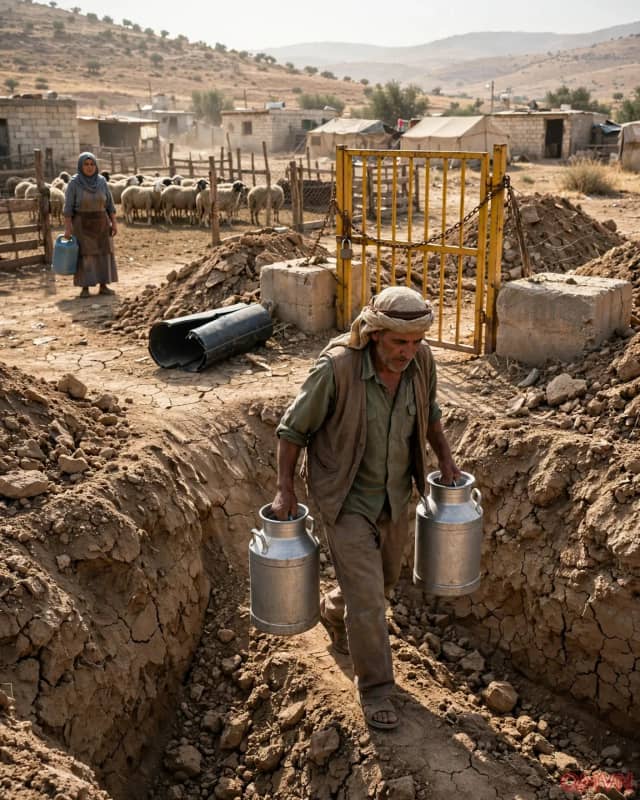
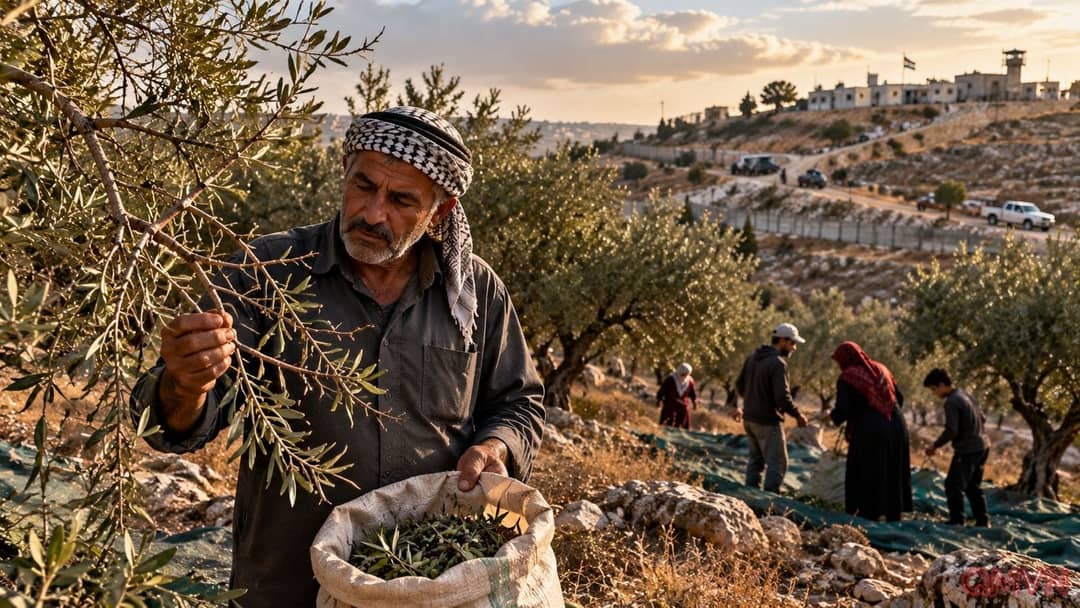
Near Lubban al-Gharbi, farmer Ahmed Salem, 50, told Reuters that settlers struck his olive trees with sticks, collected the fruit and took it to a nearby outpost for pressing. He said he feared being attacked if he intervened. His account, which is an allegation rather than a judicial finding, captures the distress of people who cannot safely protect crops they rely upon.
Olive picking is both economic work and a family ritual. Children learn to recognize trees; relatives share food and tea in the groves; and the resulting oil is consumed, sold or stored. A disrupted harvest therefore threatens household spending well beyond autumn and may weaken the continuity of village life.
“How would you feel if something that belonged to you was being violated, and you could do nothing about it?” — Ahmed Salem.
A wider pattern emerges in the figures
Yesh Din reported 125 physical assaults on Palestinian harvesters and 168 theft incidents in 24 days, with Israeli forces reportedly present in at least a quarter of incidents. These are monitoring figures and should not be read as convictions.