MAIN STORY
A short storm exposes a long emergency
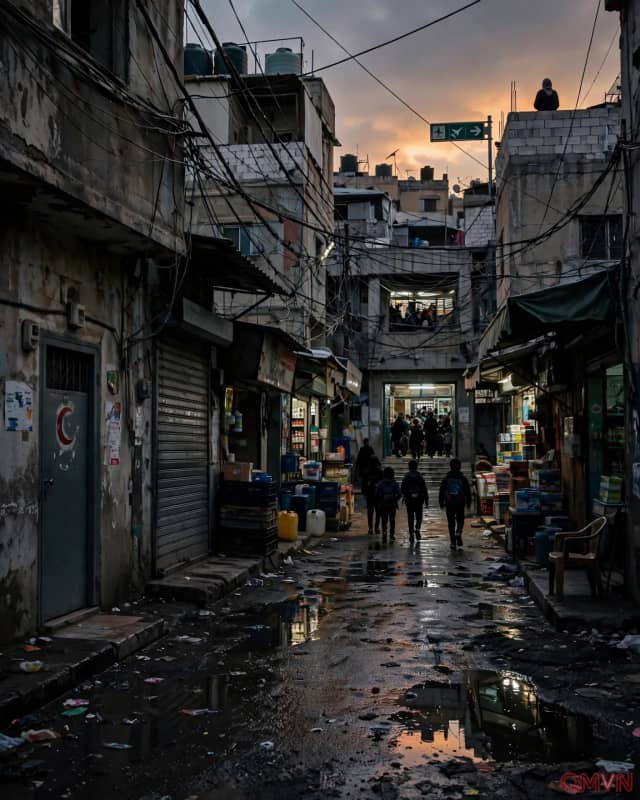
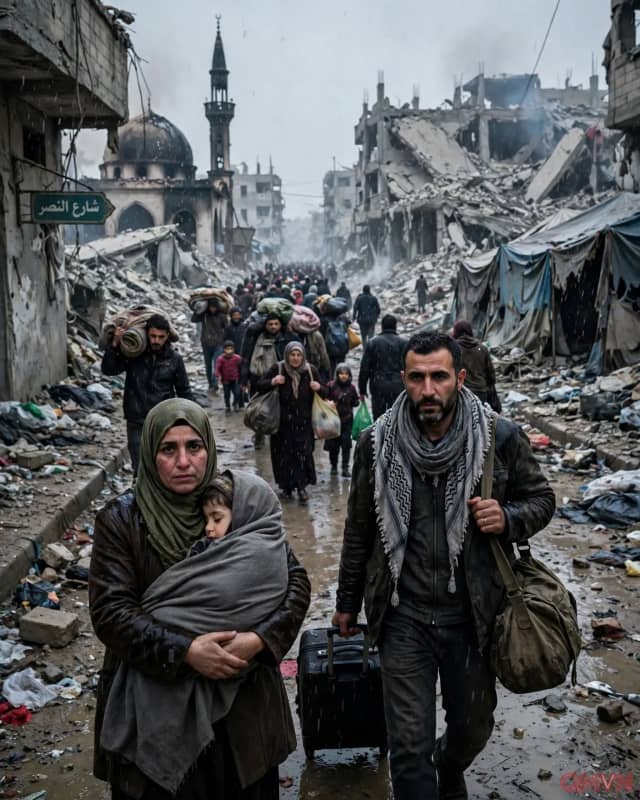
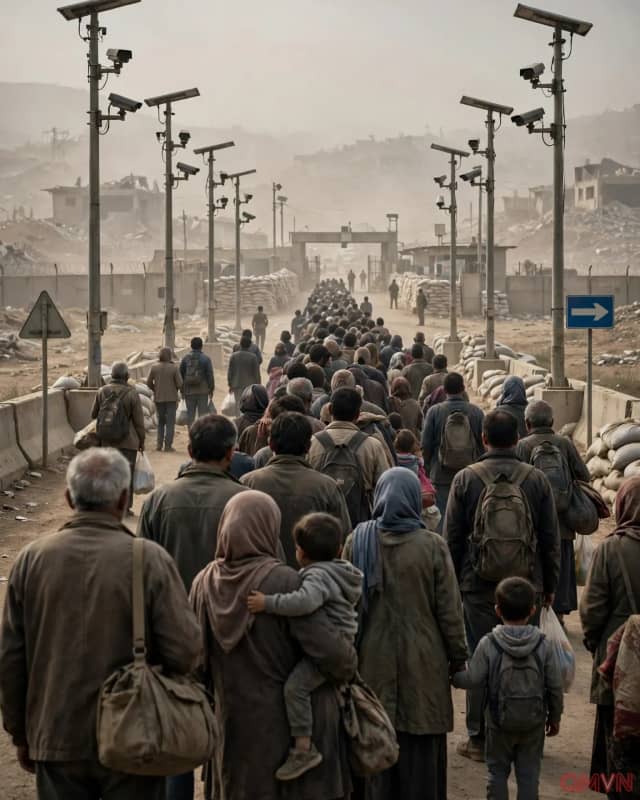
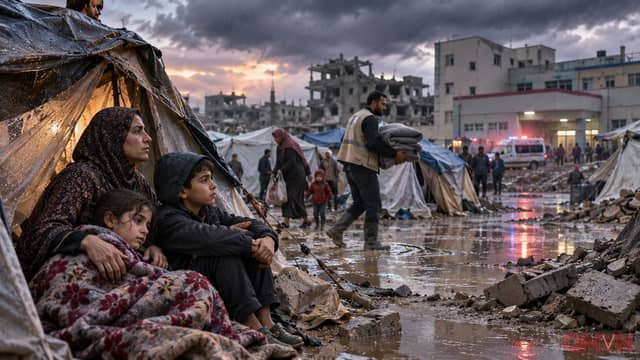
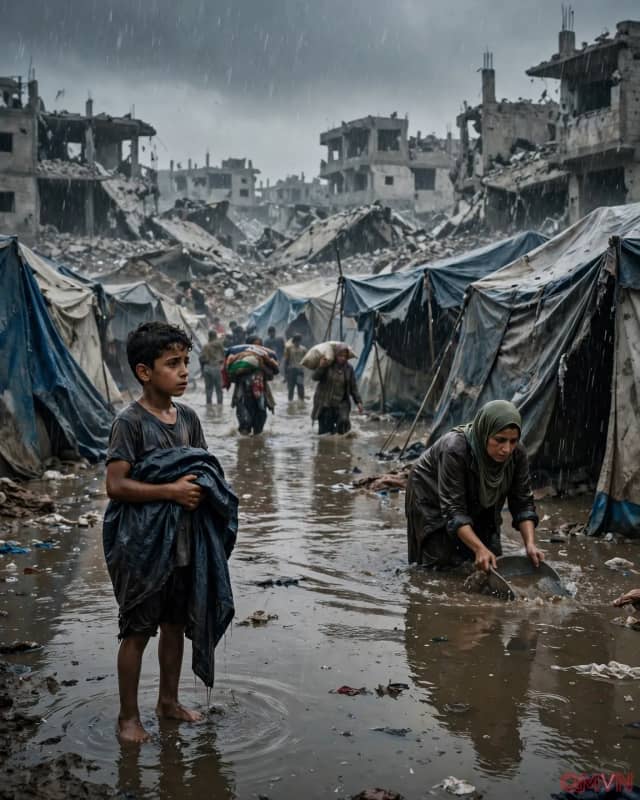
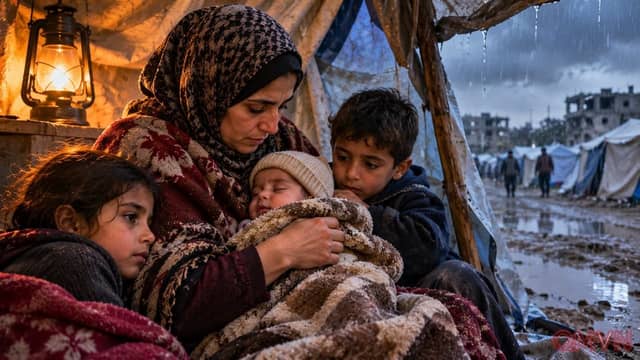
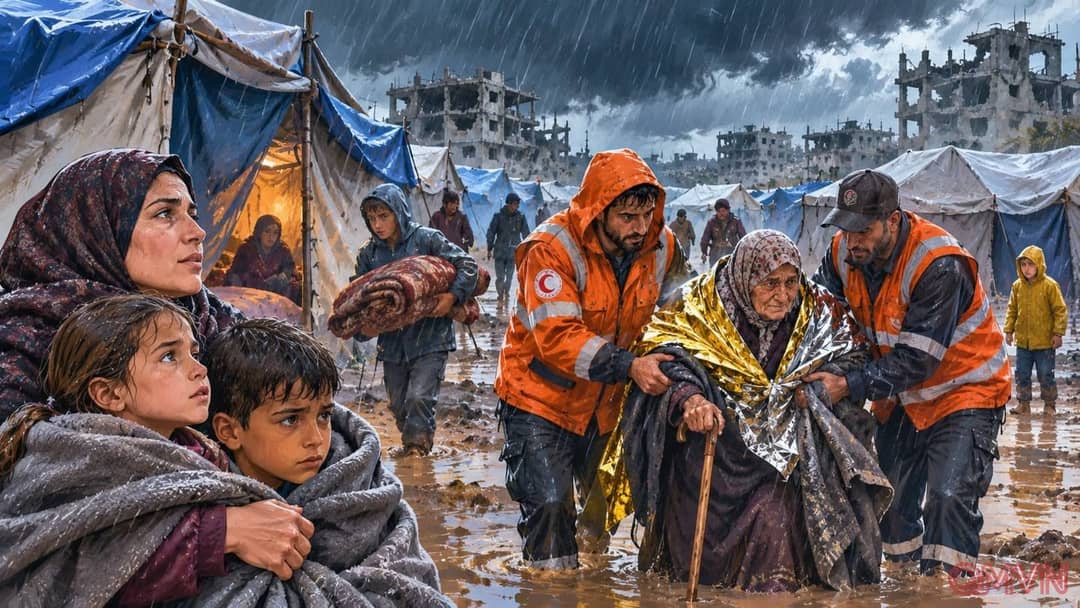
Across Gaza City and camps in the central Strip, muddy water swept into tent rows, soaking mattresses, clothes and the documents families had managed to preserve. Parents carried children through waterlogged lanes; others tried to dig channels with basic tools. Low-lying, crowded sites were particularly exposed. The pictures tell a story not merely of unusually bad weather but of families with almost no protection left between them and the elements.
OCHA says reports through November 8 indicated more than 6,000 shelters destroyed and another 17,400 damaged. More than 3,900 households were reported to have no shelter at all, while approximately 600 households had to move again. Gaza civil defence received over 2,100 emergency calls, yet rescue crews could respond on the ground to only a fraction. Destroyed drainage networks, scarce pumping equipment and damaged roads make even a routine response difficult.
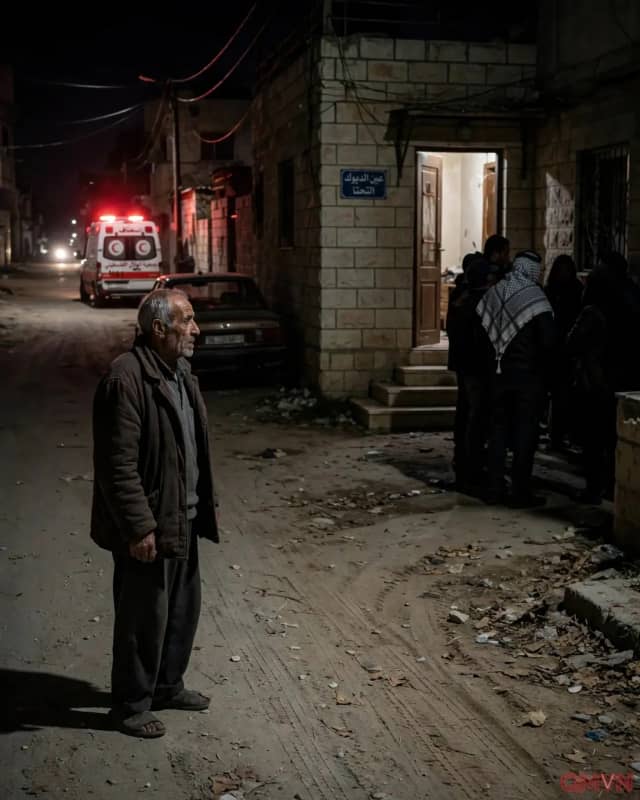
In Deir al-Balah, rain loosened a mound of sand and rock beside tents used by displaced people. Reuters reported four deaths: a woman and three children. UNICEF likewise reported a mother and her three children killed. Other local accounts described five fatalities. Those differing early totals warrant careful attribution, but the underlying tragedy is clear: people who had escaped one danger were killed inside the precarious shelters where they had sought refuge.