MAIN CONTENT
From silencing weapons to repairing politics
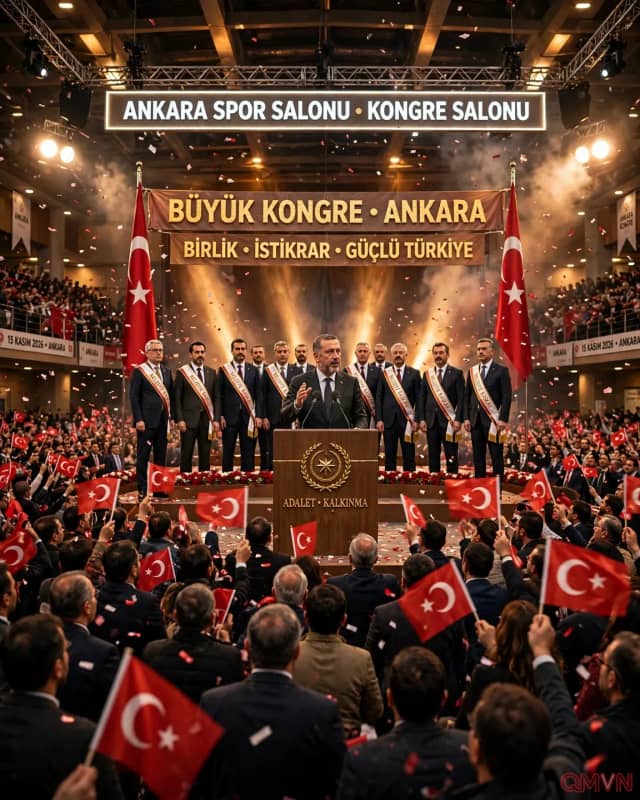
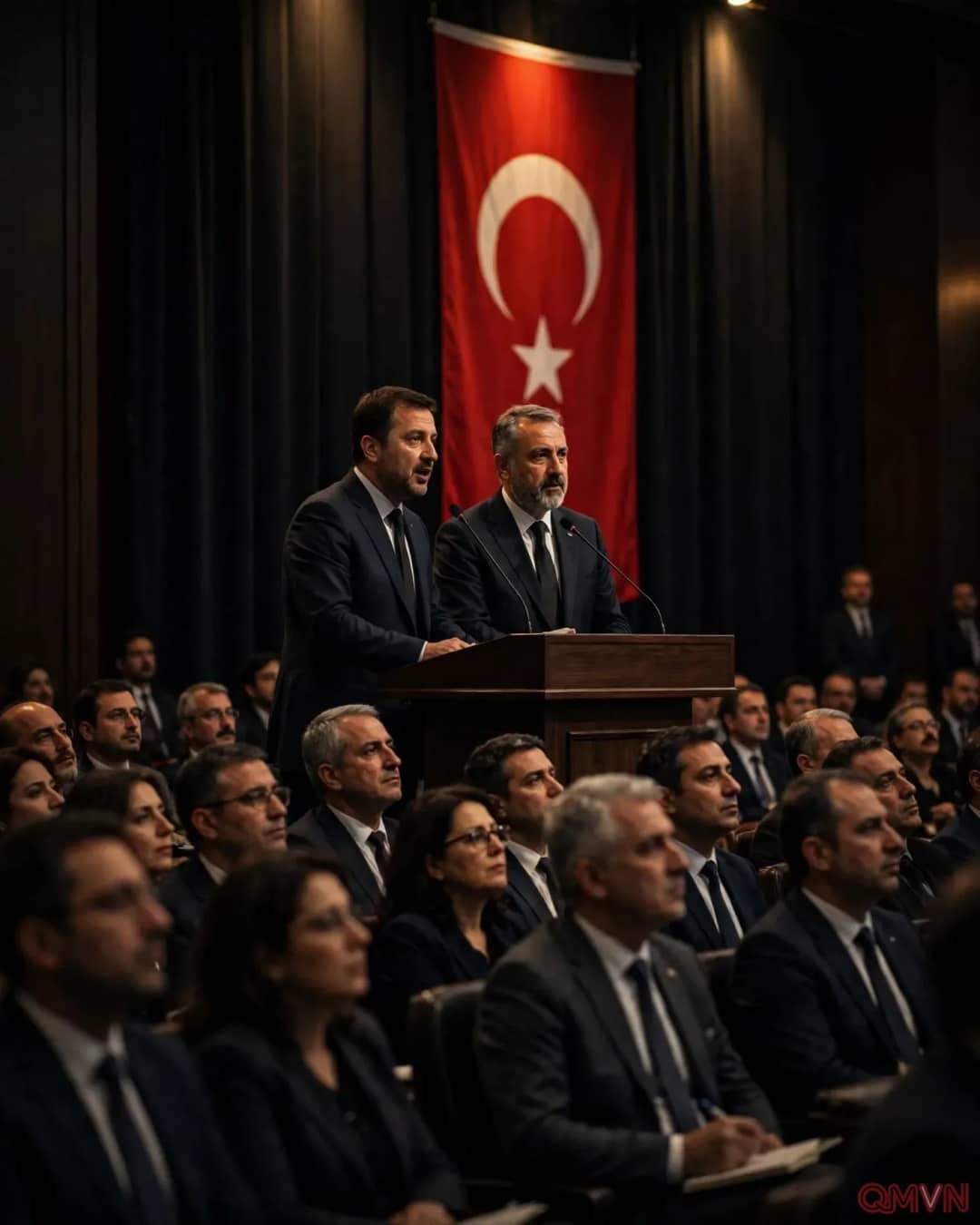
The Ankara gathering, titled “In Search of a New Regional Social Contract in the Middle East,” was organized by the Center for Middle Eastern Studies, ORSAM, and the University of Oxford’s Global Orders Programme. Its agenda placed the Kurdish question in a wider debate about political belonging and regional security. According to accounts of the conference, Kalın presented two inseparable pillars: the end of armed confrontation and democratic measures addressing the social and political roots of the conflict. He also argued that meaningful integration cannot take place while weapons remain in use.
Kurtulmuş likewise described the government’s “terror-free Türkiye” initiative as more than the dissolution of an armed organization. He invoked the rule of law, pluralism and cooperation between neighboring countries. That language marks a significant enlargement of the policy conversation. Ending violence is one challenge; determining how former opponents coexist under legitimate and trusted institutions is another.
A broader vocabulary, however, is not proof that reform has been delivered. Parties may agree on the destination while disagreeing sharply about sequencing, eligibility, accountability and oversight. The value of the November statements will ultimately be tested through enforceable rules and their implementation, rather than by political declarations alone.