MAIN STORY
A lower tariff meets a customs classification dispute
The agreement took effect on July 15, 2026, promising an immediate reduction in duties on eligible Scotch whisky from 150% to 75% and a phased fall to 40% over ten years. It was celebrated as progress on one of the most difficult points in the long negotiations. The new disagreement is not over the published tariff schedule; it concerns which imported products belong within it.
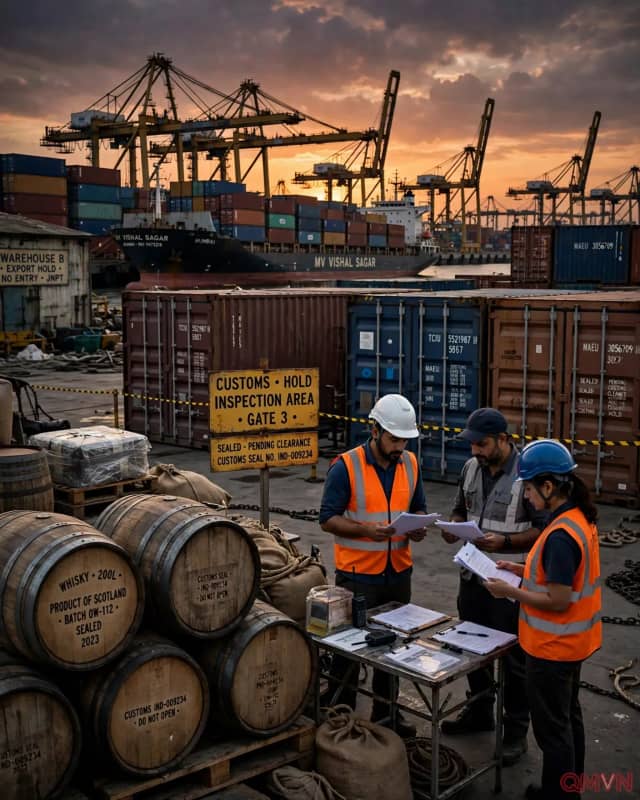
Reuters reported that India's Directorate of Revenue Intelligence searched offices of Diageo and Pernod Ricard and questioned executives about declarations covering bulk Scotch inputs. According to people familiar with the inquiry, investigators have privately indicated that certain concentrates belong under a customs heading still subject to 150% duty. That is a disputed interpretation being examined, not a final legal determination that either company broke the rules.
In a letter to the commerce minister, ISWAI warned that preferential market access could become unavailable in practice. A British parliamentary report describing the agreement explicitly referred to tariff reductions for both bottled and bulk Scotch exports. The difference between that understanding and the approach attributed to Indian investigators is the heart of the case.