Before the strikes, Iran was close to the most sensitive threshold
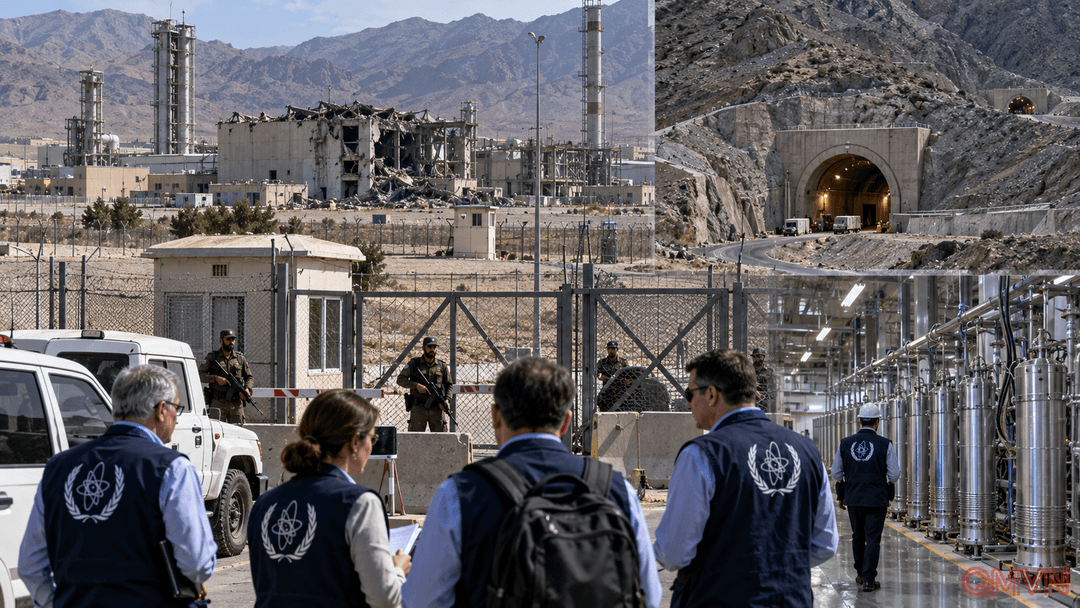
Before the U.S.-Israeli military campaign, Iran operated three enrichment facilities known to and inspected by the IAEA. Its highest enrichment level was 60%, below the roughly 90% associated with weapons-grade uranium but far above the level needed for most civilian nuclear applications. The IAEA estimated that Iran held 440.9 kg of uranium enriched up to 60% when the attacks began.
Using the IAEA’s standard measure, that amount could in theory provide enough material for roughly 10 nuclear weapons if it were further enriched to weapons grade. The IAEA, however, also said it had no credible indication of a coordinated Iranian nuclear-weapons programme. The distinction between possessing technical capacity and deciding to build a weapon therefore remains fundamental.
Natanz and Fordow were hit hard, but the surviving stockpile is the bigger unknown
The above-ground enrichment plant at Natanz was destroyed, according to the IAEA, while underground facilities at Natanz and Fordow were badly damaged and are widely believed to be out of operation. The strikes disrupted much of the publicly known enrichment infrastructure, including power, vacuum systems and supporting equipment needed for centrifuges.