A damning conclusion
Baroness Hallett, a retired Court of Appeal judge, said the unusually high number of care home deaths in April 2020 was what finally turned the attention of the UK government and devolved administrations to the social care sector. Until then, the focus had been on the healthcare system.
Protective measures should have been put in place at the start of a pandemic.
The report stresses that the government knew before the pandemic that care home residents were extremely vulnerable to respiratory viruses. Even so, they were not adequately protected when they needed it most. During hearings in 2025, a civil servant described the toll as a “generational slaughter” in care homes.
A “protective ring” that did not exist
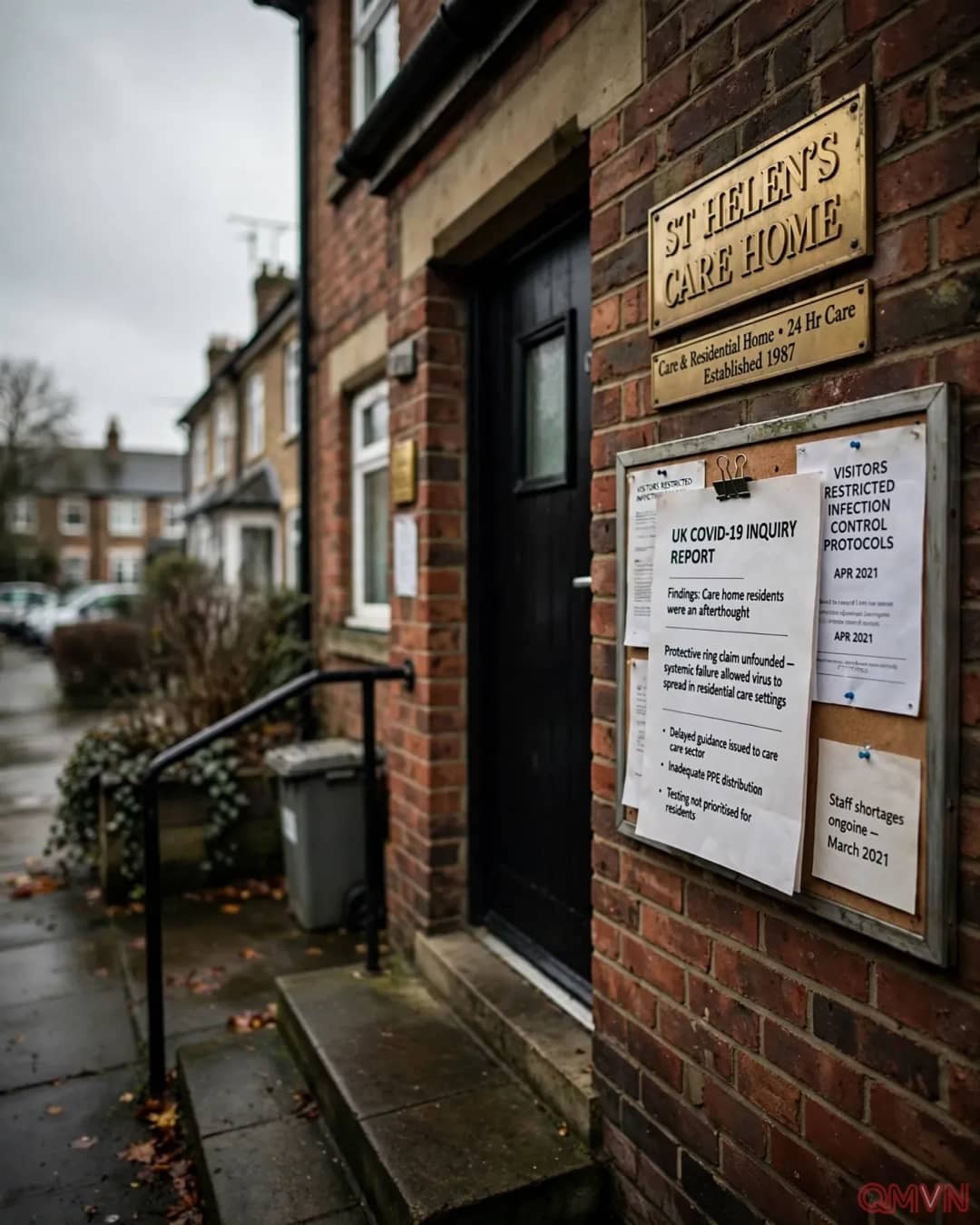
At a Downing Street press conference on May 15, 2020, Matt Hancock, then health secretary, made a controversial claim about protecting care homes.
Right from the start, we've tried to throw a protective ring around our care homes.
The report concluded this statement did not reflect the lack of early action. Testing all patients discharged to care homes began only in mid-April 2020, and the Infection Control Fund was introduced in mid-May 2020.
By the time Hancock spoke, thousands had died. Hancock told the inquiry the phrase was “clearly a piece of rhetoric”, but Lady Hallett said quite the opposite was true.
Key findings
The report identified several serious failures in protecting the care sector:
- Severe PPE shortages: workers used festival ponchos, painters' overalls and even homemade protection from fabric, bin bags and bed linen.
- Patients were discharged from hospitals to care homes without knowing whether they had the virus.
- Do-not-resuscitate decisions based on age, disability or health conditions without personal assessment caused distress and confusion.
In addition, around 5.8 million unpaid carers across the UK received support too late, providing more complex care for longer hours with little, if any, respite.
When care homes became “prisons”
Visiting bans led some care homes to be described as “prisons”, with residents feeling “abandoned”, “isolated” and “alone”. Although exceptions existed for end-of-life visits, many families were not allowed to be with their loved ones in their final moments.
According to the report, preventing visits caused incalculable harm to residents and their families, often leading to a significant decline in health and wellbeing, especially for people with dementia.
Families' voices and the government's pledge
Covid-19 Bereaved Families for Justice UK called Hancock's claim a “cruel lie”. Speaking for the group, Jean Adamson said the report showed the government knew the care sector was extremely vulnerable yet failed to act until it was too late.
Today's report is a devastating account of one of the darkest episodes in our country's history.
Prime Minister Andy Burnham said the government is committed to learning the lessons from the report and will use its findings to develop an “action plan” for future pandemics.