MAIN ARTICLE
An unusual coalition behind one candidate
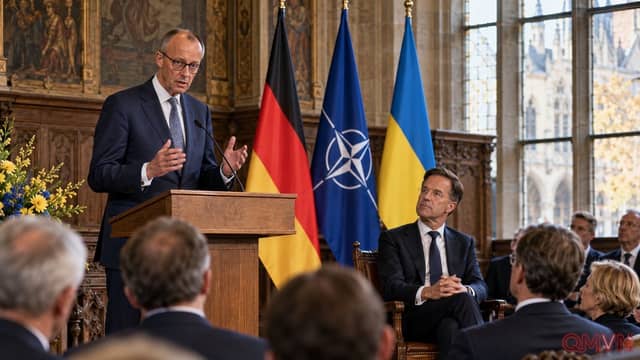
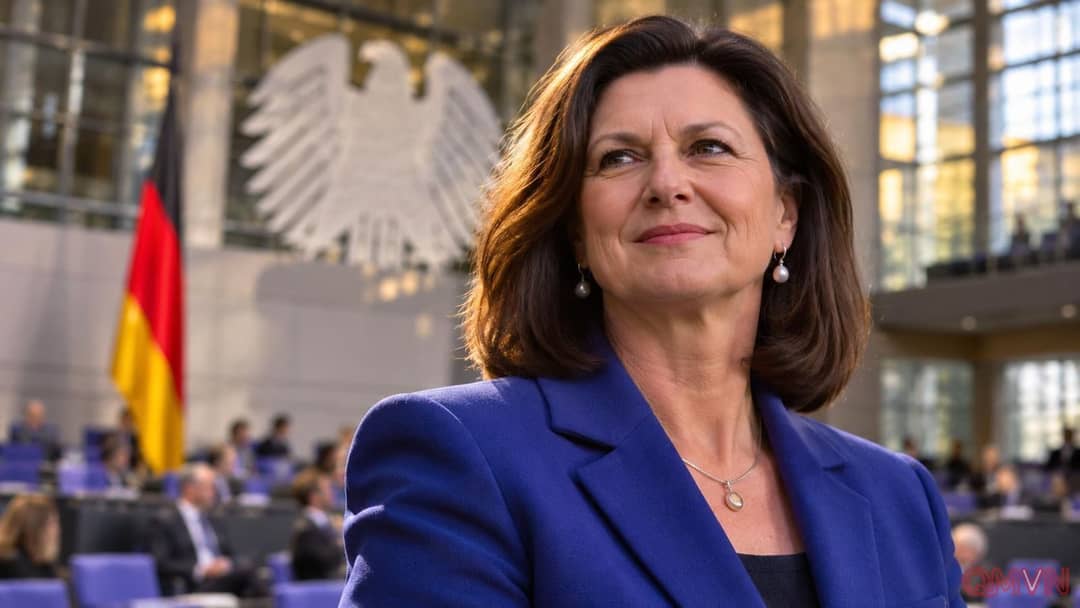
In early November 2026, Chancellor Friedrich Merz formally endorsed Ilse Aigner to succeed President Frank-Walter Steinmeier. Aigner belongs to the CSU, the Bavarian sister party of Merz’s CDU, and has presided over Bavaria’s legislature since 2018. The governing SPD and senior Greens also signaled support. Such unusually broad agreement positions her as a clear favorite for Germany’s highest state office, although the election itself has yet to take place.
The Bundestag confirms that the Federal Convention will meet on January 30, 2027. It comprises the 630 members of the Bundestag and 630 delegates chosen by Germany’s state legislatures. Steinmeier’s second term ends in March 2027. Citizens do not elect the federal president directly, which makes parliamentary alliances and credibility across party boundaries essential to the result.
A career shaped far from the usual pathways
Born in Bavaria in 1964, Aigner trained in electrical engineering and worked in helicopter production before politics became her profession. Unlike many senior figures who studied law, she built a practical technical career.
After entering local politics, she joined the Bundestag in 1998 and served as federal agriculture minister under Angela Merkel from 2008 to 2013. She subsequently held economic and infrastructure responsibilities in Bavaria and became president of its state parliament.
Her rise was not frictionless. The Guardian recounts that she faced prejudice about being unmarried while seeking opportunities in local politics. She has also spoken publicly about surviving serious illnesses. Neither hardship nor an unconventional biography proves governing skill. But together they help explain why supporters present her candidacy as an illustration of social mobility and the possibility of leadership beyond inherited expectations.
Why a president’s manner can matter
Germany’s federal president does not run the cabinet; the chancellor leads the government. The president represents the country, signs laws, carries out constitutional appointments and speaks about shared values, with specific reserve powers in political crises. The office therefore depends heavily on public trust, moral authority and the ability to address citizens without escalating tension. Political warmth can be an institutional resource rather than merely a pleasing personal characteristic.
Merz praised Aigner’s capacity to bring people together and the dignity and empathy he believes she could bring to office. She has described herself as an advocate of a strong political center and a defender against extremism. Admirers argue that her everyday style could complement the chancellor’s more confrontational public image. Yet likability alone cannot mend social rifts; it must support a consistent commitment to fairness, constitutional standards and respect for difference.
The limits of consensus and the promise of representation
The nomination has not erased Germany’s political disagreements. The far-right AfD criticized Aigner for declining to visit its parliamentary group during her consultations. Critics portrayed the refusal as a failure of dialogue; her team pointed to hostile public remarks from an AfD lawmaker. The dispute reveals the difficulty of seeking national unity in an environment where disagreements about policy have become arguments about political legitimacy itself.
Her candidacy also raises expectations about equality. The federal republic has had 12 male presidents since 1949. Electing a woman would carry unmistakable symbolic weight, but symbolism alone cannot correct unequal representation in politics and economic life. If elected, Aigner’s record will ultimately be judged not only by the historical photograph of her inauguration but by whether she can protect meaningful space for democratic disagreement and mutual recognition.