MAIN STORY
A personal decision shaped by public expectations
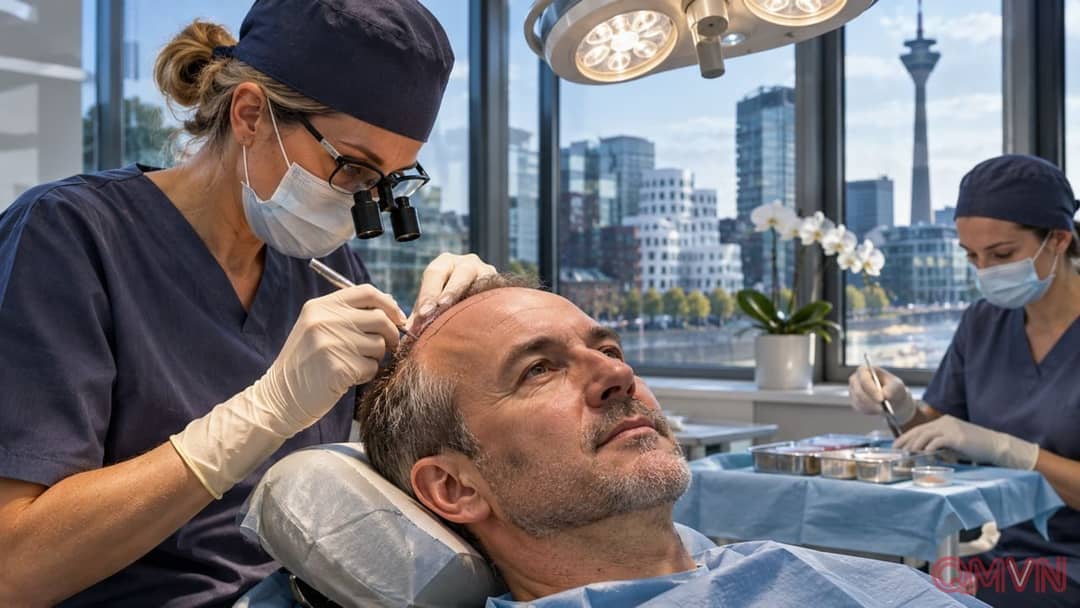
The procedure begins with the careful removal of small follicular units from the denser hair at the back of the scalp. Each graft is sorted and implanted where growth has thinned. In a Düsseldorf clinic described by the German newspaper taz, Michael recalls wearing a cap as his hairline retreated, even though he struggled to explain why losing hair bothered him so deeply. He had spent roughly €20,000 on previous treatments and still hoped for greater density. His experience reveals the emotional attachment to hairstyles, youth and the right to choose how one appears to others.
Male-pattern baldness is common and generally does not signal a serious disease. Yet workplace comments, before-and-after videos and confident marketing can turn a normal physical change into an urgent personal project. No one should be shamed for seeking treatment; equally, no one should feel obliged to undergo surgery. A responsible consultation begins with the patient’s motivation and expectations, not the number of grafts a clinic can sell.
What FUE can—and cannot—achieve
Follicular Unit Excision, or FUE, transfers tiny naturally occurring groups of hair follicles from a donor area to a thinning region. Unlike older strip harvesting, it usually avoids one long linear scar, but it can leave numerous small scars, and the donor supply remains limited.