An icon of more than a century
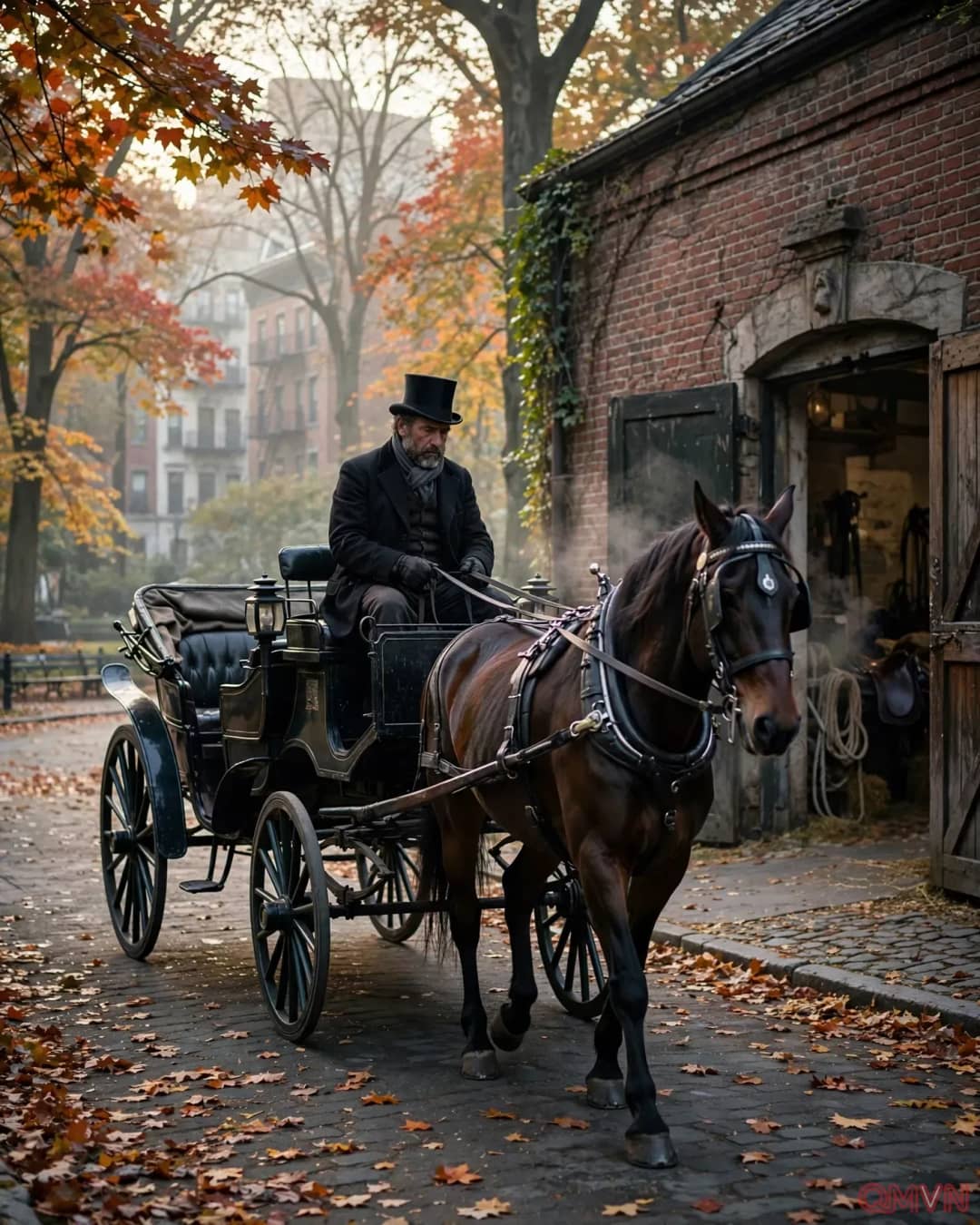
Carriages have rolled through Central Park since the park opened in the 1850s, along a six-mile loop designed in part for horse rides. By the mid-20th century, the city had limited horse-drawn carriage licenses to 68, and the carriages operated both in the park and on Manhattan streets alongside cars. Coachmen in black top hats have become a fixture of postcards, films and countless tourist photographs.
For many New Yorkers, the carriages are part of the city’s identity. Angelica Vega, a dog walker who has visited the park almost daily for 20 years, said it would be sad to walk there and not see them. Mamdani, however, has made his position clear, saying earlier this month that the horse industry is coming to an end.
A death that changed the debate
Previous attempts to shut down the industry, including a high-profile push under former Mayor Bill de Blasio and a bill known as Ryder’s Law, named after a horse that collapsed on a Manhattan street in 2022, failed. The turning point came this summer. On June 17, Romanch Mahajan, a tourist from India, was thrown from a carriage and killed when the horse bolted after the driver stepped away to take a photograph of his family.
“We welcome the vote that will finally ban horse carriages in New York City so that no other human being or horse has to suffer the terrible tragedy that has befallen the Mahajan family.” — Sagar Chadha