Australian regulator probes the banks behind the failed $5 billion IPO of Firmus, the Nvidia-backed AI data centre operator
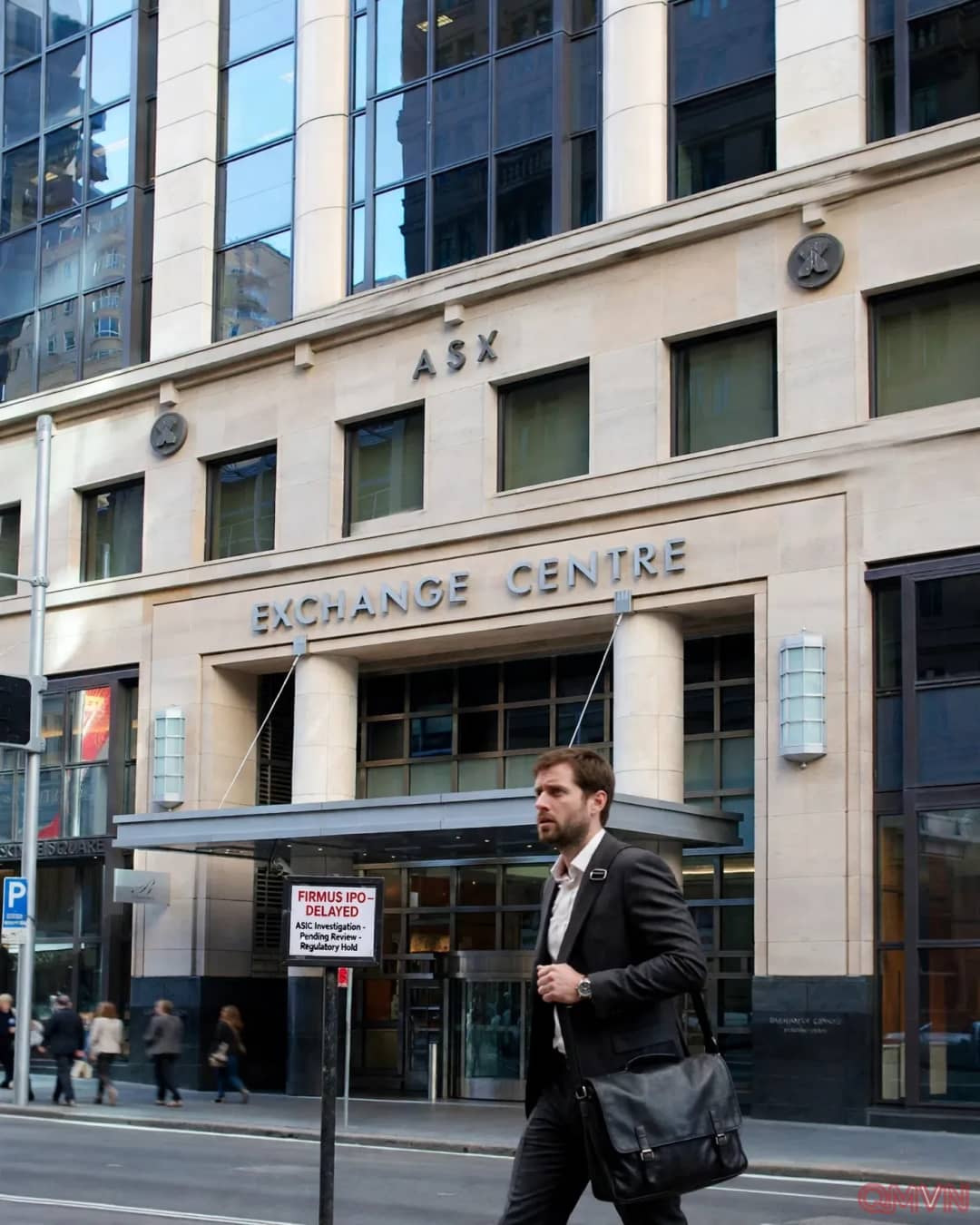
The Australian Securities and Investments Commission (ASIC) is conducting targeted inquiries into the banks that managed the initial public offering of Firmus, an Nvidia-backed artificial intelligence data centre operator, The Australian reported on October 29. In a letter to a senator, ASIC Chair Sarah Court said the regulator was aware of questions about the accuracy of information given to institutional investors during marketing and bookbuilding. The lead managers were Bank of America, JPMorgan, Morgan Stanley and broker Morgans. The $5 billion deal, which would have been the second-largest IPO in Australian history, was shelved on October 9 as investors worried about the company’s huge debt and limited track record. The inquiry sends a warning signal to the rush to raise money for AI infrastructure.
Edite QUANG MINH·2 min read · 3 min listen·28 October 2026, 21:00 EDT·
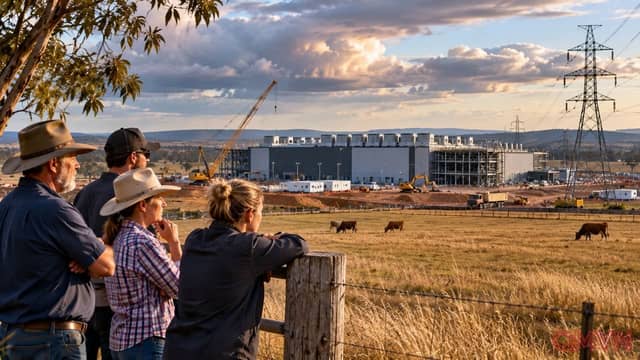
AI-generated illustration
ASIC steps in
The information emerged in Sarah Court’s reply to Liberal Senator Dave Sharma. According to The Australian, she confirmed the regulator was examining the role of the lead managers in the Firmus offer.
ASIC is conducting targeted inquiries into the joint lead managers of the Firmus IPO.
Bank of America declined to comment, while JPMorgan, Morgan Stanley and Morgans did not immediately respond.
Advertisement
300 × 250
ASIC also did not respond to a Reuters request for comment. At this stage, no specific allegation of wrongdoing has been made public.
From record ambitions to retreat
Firmus had been expected to deliver one of the largest listings in the history of the Australian Securities Exchange (ASX). But the A$11 share price quickly came under pressure as several factors made investors hesitate:
A huge debt load, estimated by analysts at about $30 billion.
The company operated only two small data centres and had no track record of building large-scale AI data centres.
News that partner CDC Data Centres had pulled out of the A$73 billion Project Southgate broke in the middle of the offer.
On October 9, Firmus shelved the plan, citing market volatility, and said it would pursue alternative funding options, including private markets.
Questions over information during bookbuilding
At the heart of the inquiry is what institutional and wholesale investors were told during marketing. According to media reports, the term sheet sent out at launch stated that indicative offers were already enough to cover the deal, before actual demand proved much weaker.
The question is whether investors were fully and promptly informed of material risks, such as the collapse of the Southgate partnership. In a deal of this size, transparent information is the foundation of market confidence.
A warning for the AI funding boom
Firmus’s failure comes as major tech companies are still raising tens of billions of dollars in debt markets to build artificial intelligence infrastructure. The deal shows investors are becoming more selective about AI companies whose valuations have soared while their operating base remains thin.
For Australia’s capital markets, ASIC’s inquiry is a test of conduct standards for investment banks. Whatever its outcome, it will shape how large IPOs are marketed in the future.
BACKGROUND
The story begins in 2019, when Firmus was founded, initially focusing on bitcoin mining before pivoting to AI data centres in 2024. In September 2025, Nvidia invested, turning Firmus into a “unicorn”. A month later, Firmus, CDC Data Centres and Nvidia announced Project Southgate, a plan to build a network of “AI factories” with up to 1.6 GW of capacity across Australia by 2028, backed by up to A$73.3 billion of investment. In early 2026, the company secured a $10 billion debt facility led by Blackstone, and its valuation soared through funding rounds involving Coatue and Jane Street. In reality, however, Southgate had deployed only about 42 MW, little more than 2% of the target. When CDC confirmed its exit on the eve of the IPO, investor confidence wavered. The core knot is the gap between enormous ambition and actual capacity, along with the big question of whether markets are overvaluing AI infrastructure companies.
Key takeaways
Investor trust is built on transparency, not on promised numbers.
When valuations outrun real capacity, the market sooner or later reclaims the difference.
In a technology frenzy, the clearest heads are often those asking the most questions.
Subscribe to the QMVN newsletter
A daily morning digest - only stories worth reading, no spam.