MAIN CONTENT
From 88 days to 120: what actually changes
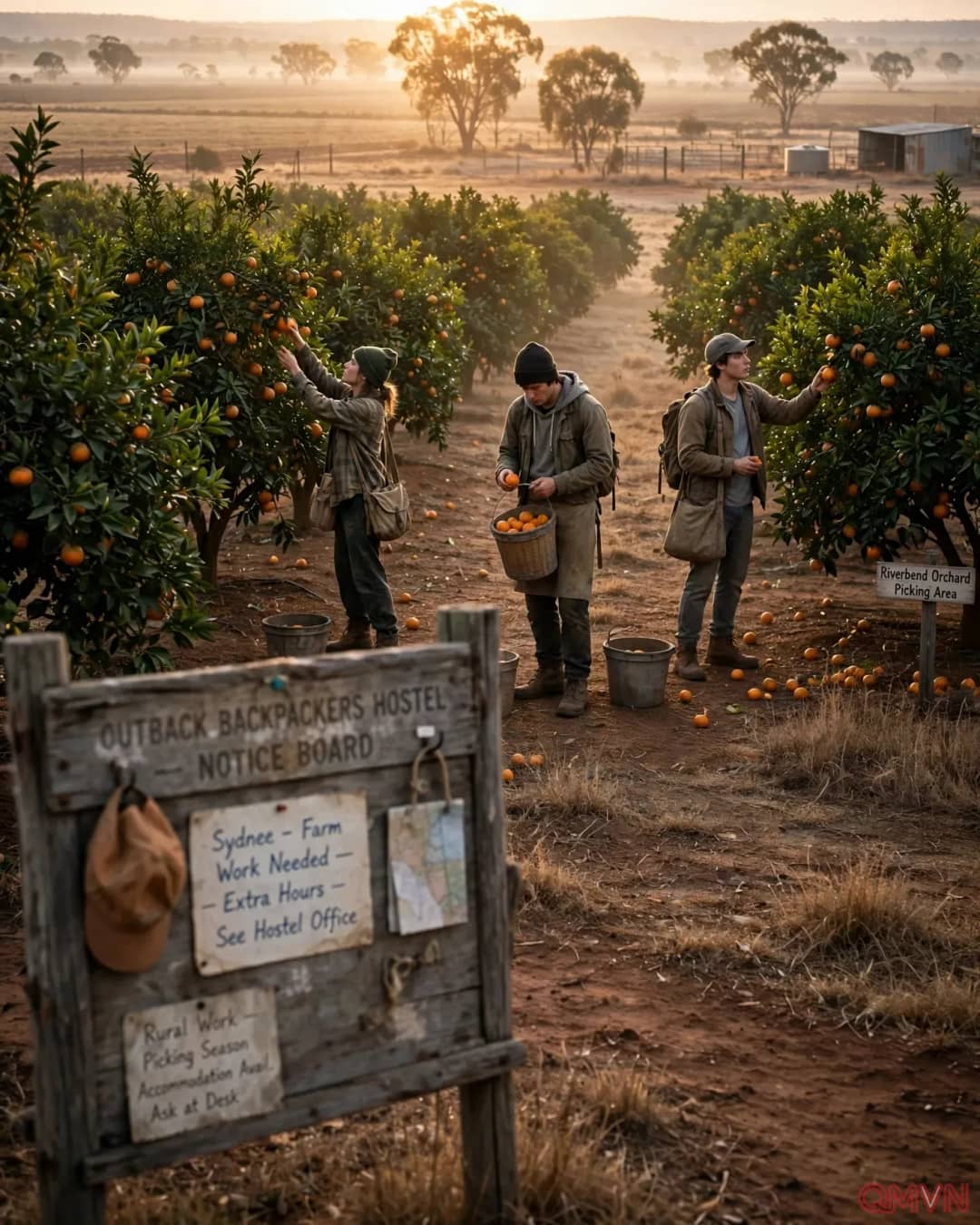
Under the Australian Home Affairs announcement, the qualifying work period for a second Working Holiday Maker visa rises from a minimum of 88 days to 120 days. Specified work is defined by eligible industries and locations; it does not mean that every job outside a major city automatically qualifies. Agricultural, tourism and hospitality positions may qualify in approved places, but visitors must check the requirements applying to their particular visa subclass.
The requirement for a third-year visa remains six months of specified work, according to Home Affairs Minister Tony Burke's remarks reported by Australian media. The extra commitment can alter a traveller's entire itinerary: someone hoping to remain for a second year may need to reserve more of the first year for approved regional work rather than city employment or leisure travel.
The government is not abolishing the Working Holiday Maker scheme, which has long combined cultural exchange with temporary employment. Its stated problem is the difficulty that seasonal and regional employers face securing a dependable workforce. The fine print on qualifying shifts, locations, evidence and lawful wages will matter as much as the headline number.