MAIN STORY
A military pause is not a ceasefire
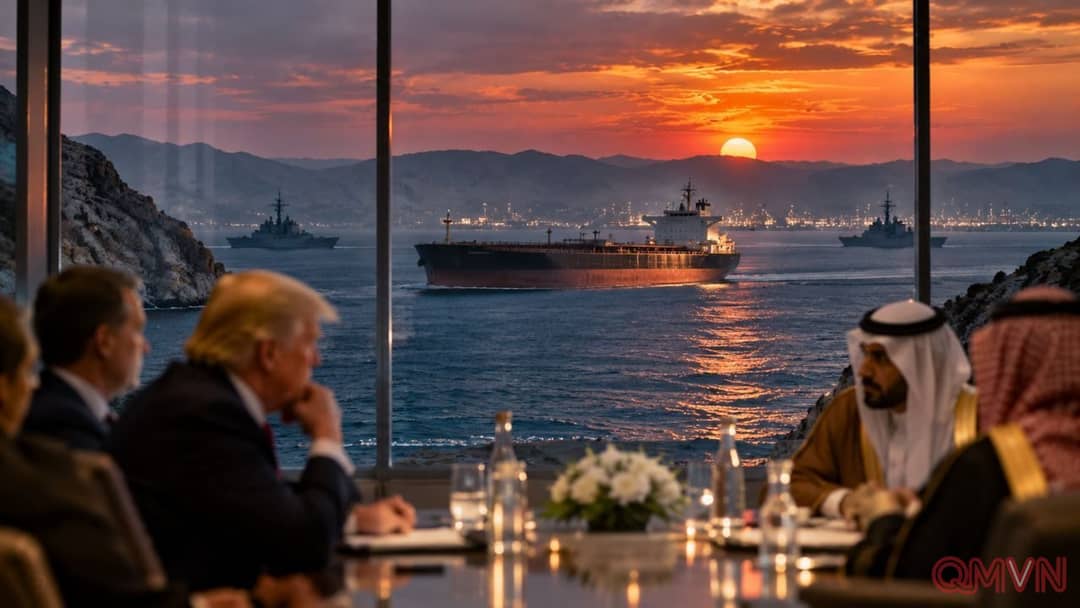
Trump said American forces were fully prepared to act but that he saw no immediate need for another broad wave of strikes. Speaking to Reuters, he stressed that Qatar and Saudi Arabia wanted a peaceful outcome. That does not amount to a withdrawal of US forces or an abandonment of Washington’s strategic demands. The naval blockade remains a central instrument of leverage, even as the White House indicates a preference for negotiations over renewed bombardment.
The Associated Press reported that Trump also characterized the war as effectively over in military terms. The Financial Times described signs of momentum in indirect contacts. Neither characterization constitutes evidence that the parties have reached an agreement. Secretary of State Marco Rubio cautioned that a diplomatic breakthrough was not imminent and described Tehran’s ceasefire demands as unrealistic. The distance between optimistic presidential messaging and the negotiators’ remaining disagreements is substantial.
Reports from Qeshm island illustrate how precarious the pause remains. Iranian state media said US strikes had hit the island overnight; a local official said essential services were not disrupted. Washington had not publicly confirmed those accounts at the time of the Reuters report. While officials talk about restraint, military operations and uncertainty over their targets can quickly shake public confidence in the negotiating process.