Nine in 10 smoking videos without age limits
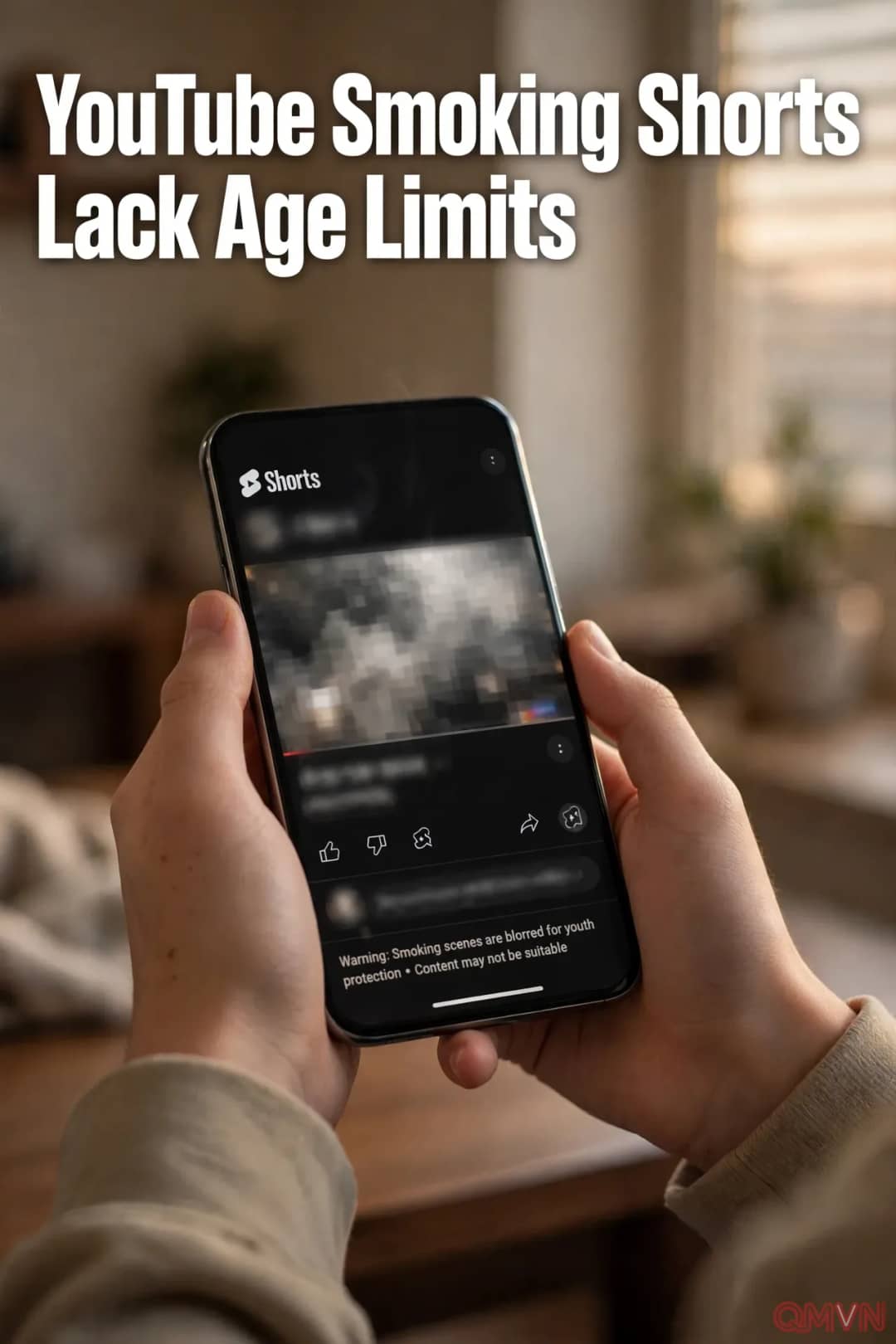
Korea Health Promotion Institute data show that the share of YouTube shorts with smoking scenes but no age restrictions has stayed at around 90% in recent years.
- 2023: 2,654 of 3,054 videos, or 86.8%.
- 2024: 468 of 500 videos, or 93.6%.
- Last year: 271 of 300 videos, or 90.3%.
These numbers reveal a reality: while TV and cinema audiences are protected by a strict rating system, young people scrolling on their phones have almost no filter at all.
A gap between the screen and the platform
YouTube has a policy against harmful or dangerous content, such as content posing an imminent risk of injury, content on weapons, or minors using vaporizers, e-cigarettes, tobacco or marijuana. However, it does not specifically ban videos of adults smoking if the content does not promote the act.
The gap between the global rules of an international platform and the cultural and legal norms of individual countries is creating a “grey zone,” where images controlled on television circulate freely on children’s phones.
Smoking scenes in films for teenagers
In South Korea, smoking and drinking are key criteria in ratings for both TV and film, and smoking scenes in movies are customarily blurred when aired. However, a smoking scene does not automatically warrant a higher age rating, as the review committee also considers frequency and depiction.
The report found that 62.5% of surveyed films rated for ages 12 and above contained smoking scenes, rising to 82.1% for films rated for ages 15 and above. That means even within the official rating system, tobacco imagery remains widely visible to teenagers.
A warning from parliament
According to Han, the Korea Health Promotion Institute has made three requests to the content industry on this issue, but measures often stop at adding warning phrases about smoking scenes.
“Teenagers’ frequent exposure to smoking scenes on YouTube and in movies has the risk of them glamorizing such acts.” – Han Zee-a
Han called for more meaningful protective measures for teenagers on popular platforms, rather than relying on warning lines that viewers can easily ignore.
Protecting the young in the age of short video
Short videos, with their fast pace and endlessly recommending algorithms, have become young people’s dominant form of entertainment. Every repeated image, even for a few seconds, can help shape their sense of what is “normal” or “cool.”
South Korea’s case is therefore not just one country’s problem but reflects a challenge shared by many societies: how to make child-protection standards keep pace with technology and cross-border platforms.