MAIN CONTENT
A warning delivered beside a diplomatic opening
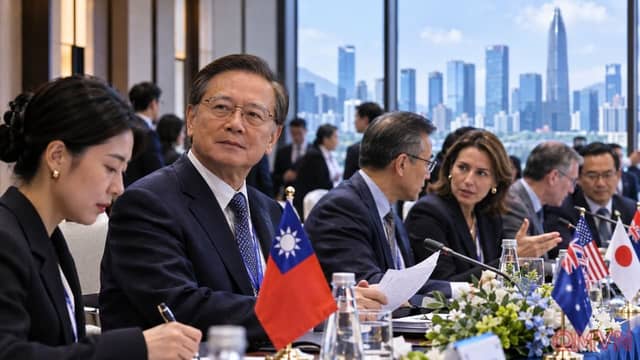
The warning came at a moment of renewed high-level contact. Carney attended the Asia-Pacific Economic Cooperation meetings in Shenzhen, where photographs of his encounter with Xi Jinping offered a visible symbol of improving Canada–China relations. The Canadian government has described recent agreements as steps toward more predictable commercial access and a broader network of international partners.
Chen, interviewed by the Associated Press in Halifax, argued that such openings carry risks if they are not matched with safeguards. He cited the 2018 arrests of Michael Kovrig and Michael Spavor following Canada’s detention of Huawei executive Meng Wanzhou under a US extradition request. Both men were released in September 2021 as Meng returned to China. Beijing denied that the detentions were politically motivated; Canadian officials and critics described the episode as coercive diplomacy.
The distinction matters: trade agreements can lower immediate costs for exporters and consumers, but an economic relationship also creates channels of influence if one participant controls a difficult-to-replace market or input. Chen’s argument is therefore a caution about concentration, rather than proof that every commercial agreement will produce coercion.