A shock departure
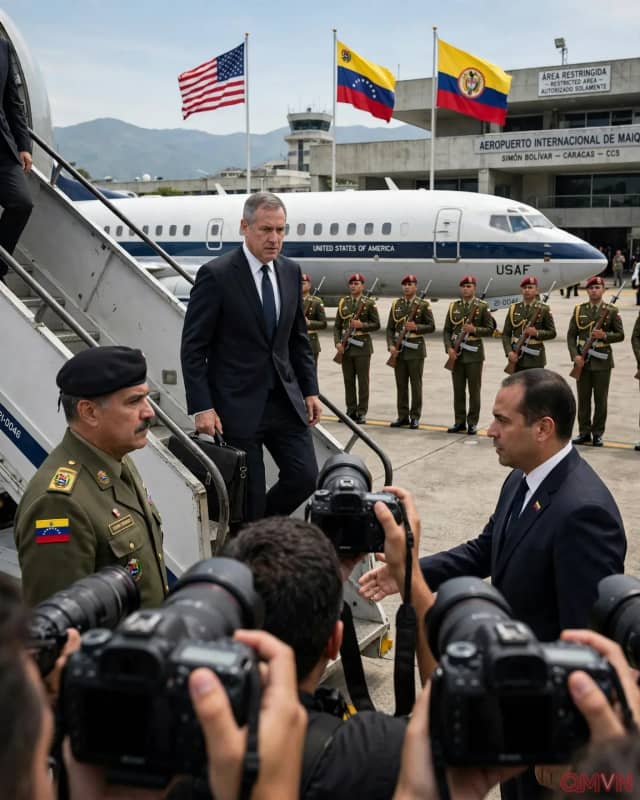
In the October 25 runoff, Lula won about 51.8% of the vote to Flávio Bolsonaro's 48.2%, securing a historic fourth term. Flávio refused to concede. A day later, the Supreme Court ordered him to hand over both his regular and diplomatic passports within 24 hours as part of investigations into alleged money laundering and other offenses – allegations he denies. Rather than comply, he left Brazil for the United States and, from his new home, declared himself the nation's rightful “leader,” saying he was the victim of an electoral coup, although he has provided no evidence of fraud.
Lula's victory has been recognized by Brazil's Superior Electoral Court, world leaders, international observers and even Flávio's own Liberal Party; on October 26, party chairman Valdemar Costa Neto signed a statement accepting the result. On Thursday, a day after Flávio moved to the United States, many of his political allies sought to distance themselves from his claim to be the legitimate “leader.”
“Considering the local dynamics, Lula benefits from Flávio's escape to the US.” — Rodrigo Russo, Control Risks
Bolsonarismo loses its standard-bearer
Flávio's departure is likely to create a power vacuum over who will lead Brazil's right. His father, former President Jair Bolsonaro, is serving a 27-year sentence for plotting a 2022 coup; his brother, former lawmaker Eduardo Bolsonaro, also lives in the United States and is unlikely to return.