MAIN REPORT
From one school to a nationwide wave
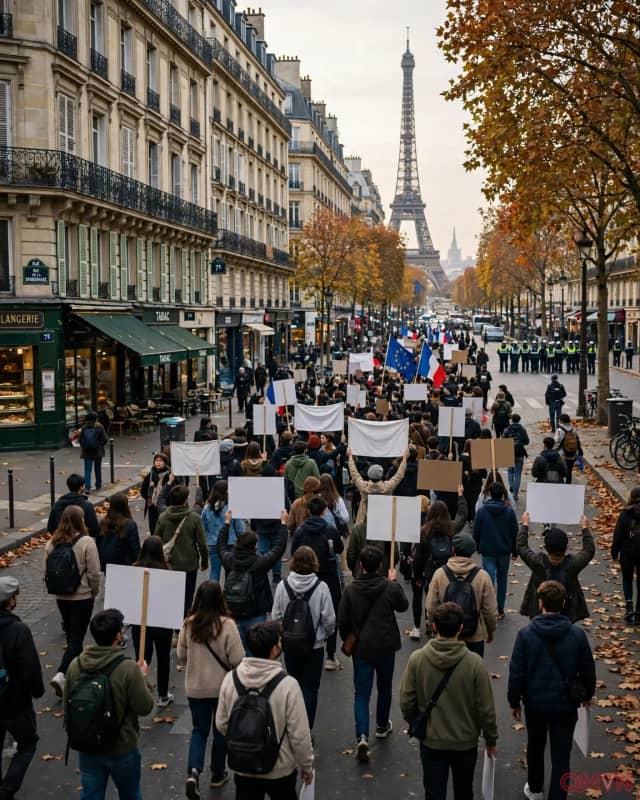
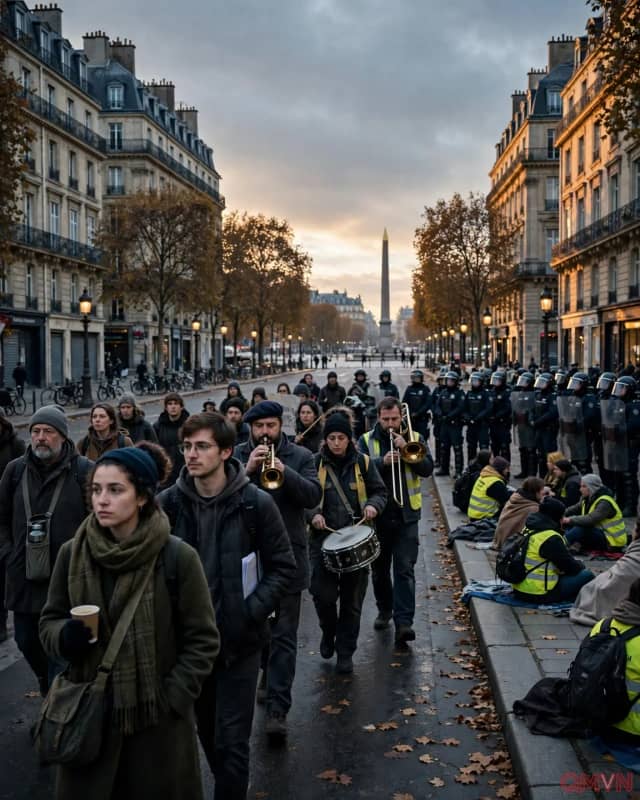
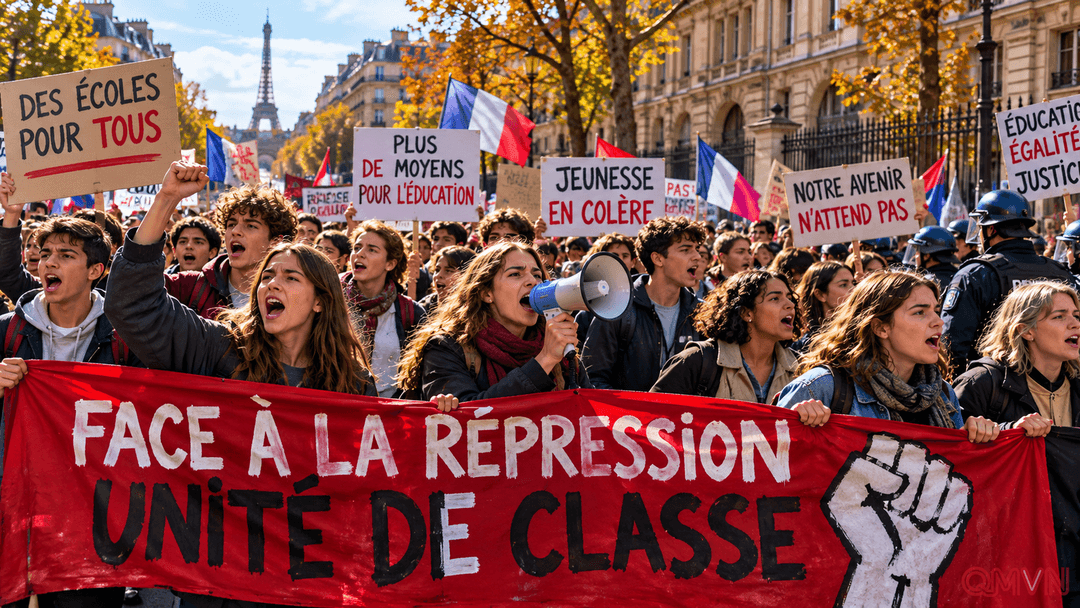
The movement emerged around Créteil in the Paris suburbs, where students protested staffing shortages and deteriorating learning conditions. Within roughly two weeks it spread to hundreds of high schools. Reuters, AP and Le Monde have described a similar pattern: blocked school entrances, student marches, growing university participation and then union support. Many demonstrations have been peaceful; in several cities, however, confrontations with police, arson and vandalism have pushed the crisis into a more dangerous phase.
The movement has spread because it is not built around a single grievance. Students describe absent teachers who are not replaced, large classes, worn-out buildings, exhausting timetables and stark inequalities between schools. Parcoursup has also become a symbol of frustration, with students criticizing the admissions platform as opaque, stressful and impersonal at the moment they are making decisions about university.
October 6 may decide whether this remains a school dispute or becomes a wider social crisis
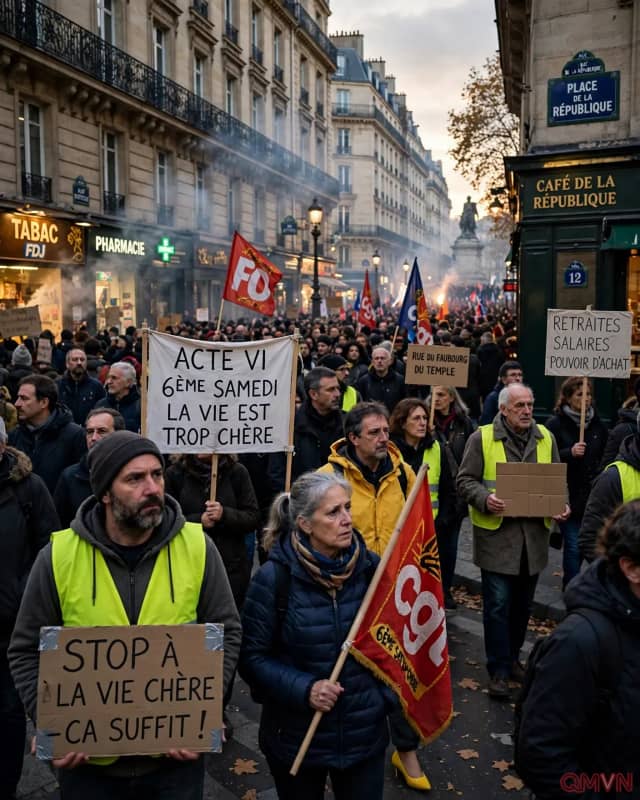
The CGT and other professional organizations have called on members to join the nationwide action, significantly raising the political stakes. Labor unions argue that today’s students are tomorrow’s workers and should not bear the cost of austerity.