MAIN ARTICLE
A milestone becomes a political talking point
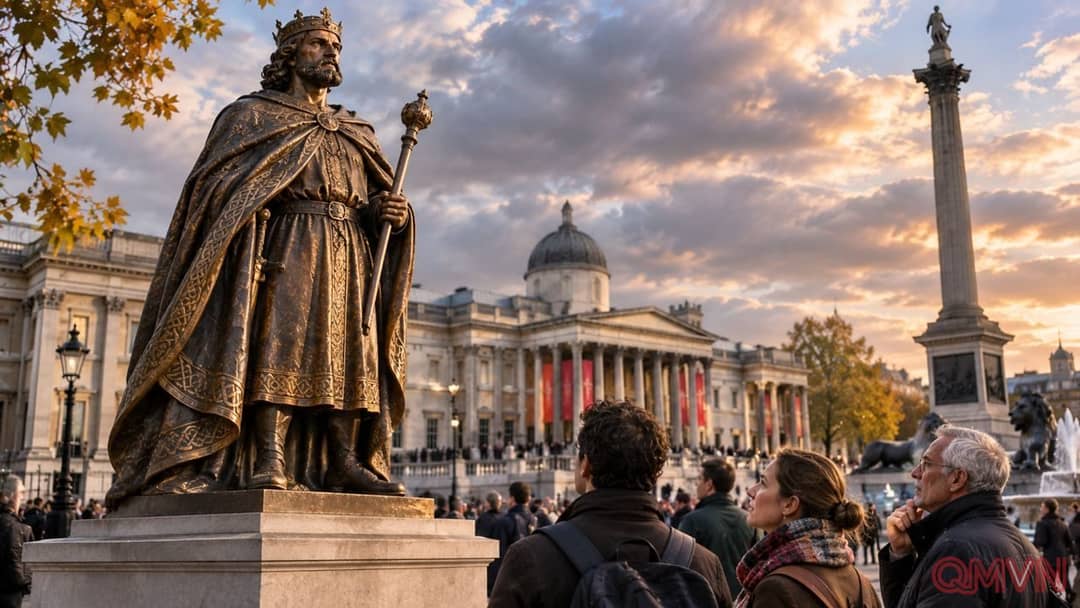
A political column in The Times on November 11 reported that Conservative MP Neil O’Brien had proposed an Athelstan statue for Trafalgar Square’s Fourth Plinth. O’Brien joked that Prime Minister Andy Burnham, sometimes dubbed the “King of the North”, ought to honour a ruler who confronted Viking forces in northern England. The quip is a political argument and a touch of satire, not evidence of an approved government memorial.
Earlier, historian Tom Holland had called for a bank holiday in 2027. The two suggestions would work differently. A holiday might encourage exhibitions, classroom projects and visits to historic sites; a prominent sculpture would force a more immediate discussion of who receives space in the heart of London. Both point to a desire to make a distant chapter of history visible to contemporary audiences.
Why historians return to the year 927
Athelstan reigned from 924 to 939 and was crowned at Kingston upon Thames in 925. His acquisition of York in 927 helped him establish a commanding position across England, prompting historians to describe him as the first king of a relatively united English realm.