Life under the eye of a drone
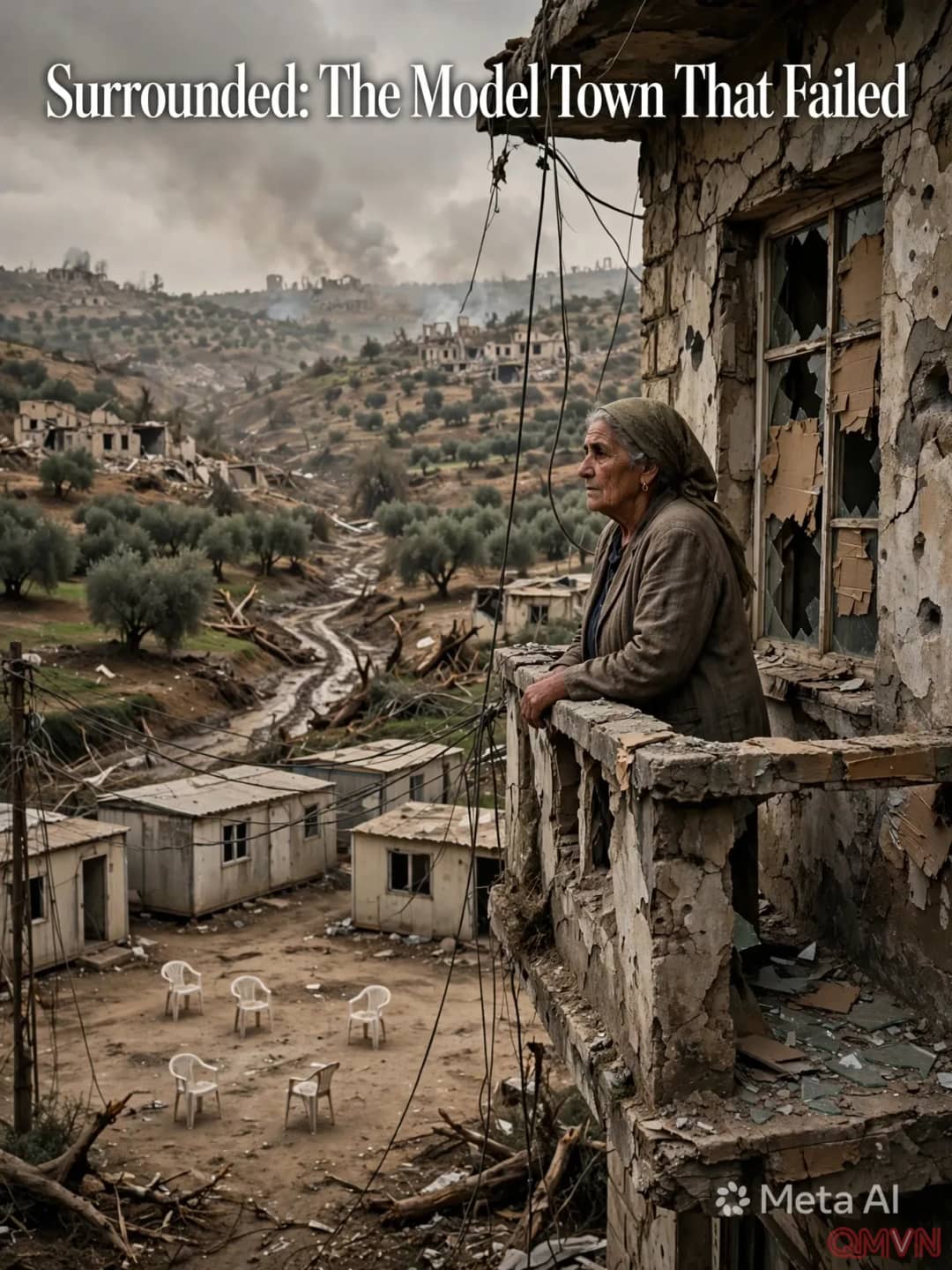
Stepping over the broken glass that carpets her floor, 67-year-old Mariam al-Yaghi walked out onto her upper balcony and pointed at the neighbouring village. A few hundred metres away, Israeli military vehicles were moving back and forth, a sight she has grown used to. At night, Israeli soldiers patrol so close that she can hear their voices. By day, a small surveillance drone often follows her as she works in her garden, while blasts echo through the morning as Israel's military destroys homes in the surrounding occupied towns.
A tank shell had crashed into the upper floor of her house and blown out every window. Another pierced the roof of her water tank, turning the water inside blood-red. Repairs are expensive, so for now she has covered the gaps with cardboard. Tank tracks cut across her garden, where olive trees she had nurtured for decades lay uprooted. Even so, with the harvest beginning, she was eager to pick whatever remained.
“They're very close to us, but we're sitting here and we're not scared. Never.” — Mariam al-Yaghi
An olive harvest that needs permission
Villagers whose groves lie near Israeli troop positions say they are requesting access through a US-led coordination mechanism between the Lebanese and Israeli militaries. Some mocked the absurdity of asking Washington for permission to pick olives on their own land. Others feared that approval would arrive too late for the harvest.