MAIN CONTENT
A faster clock, but no shared starting line
The shortened schedule is the most visible change in Tehran’s position. Iran has moved from a seven-day framework to a possible two-day return to negotiations, presenting the compressed period as evidence that it is not opposed to diplomacy. But the order of events matters more than the number of days: Iranian officials insist that important U.S. restrictions be lifted first, while U.S. officials object to conditions they believe would concede leverage before substantive negotiations begin.
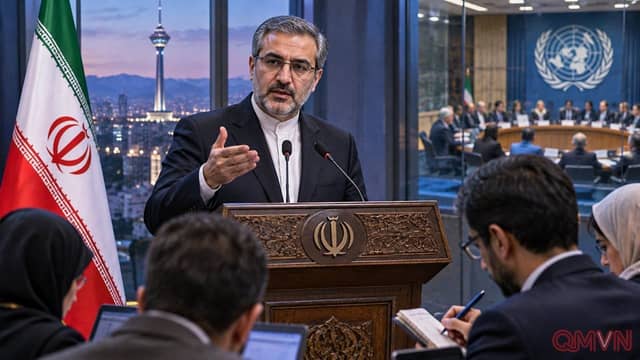
Baghaei asked publicly why it should be unreasonable to seek the lifting of sanctions and the naval blockade and an end to fighting on all fronts. His question framed Iran’s prerequisites as steps necessary for meaningful discussions. Rubio, by contrast, has characterized aspects of the proposal as unacceptable. Neither public position amounts to an agreement to meet, and no joint timetable or negotiated text has been announced. The two-day figure therefore describes Iran’s offer, not a confirmed peace process.
The blockade is both an economic and security question
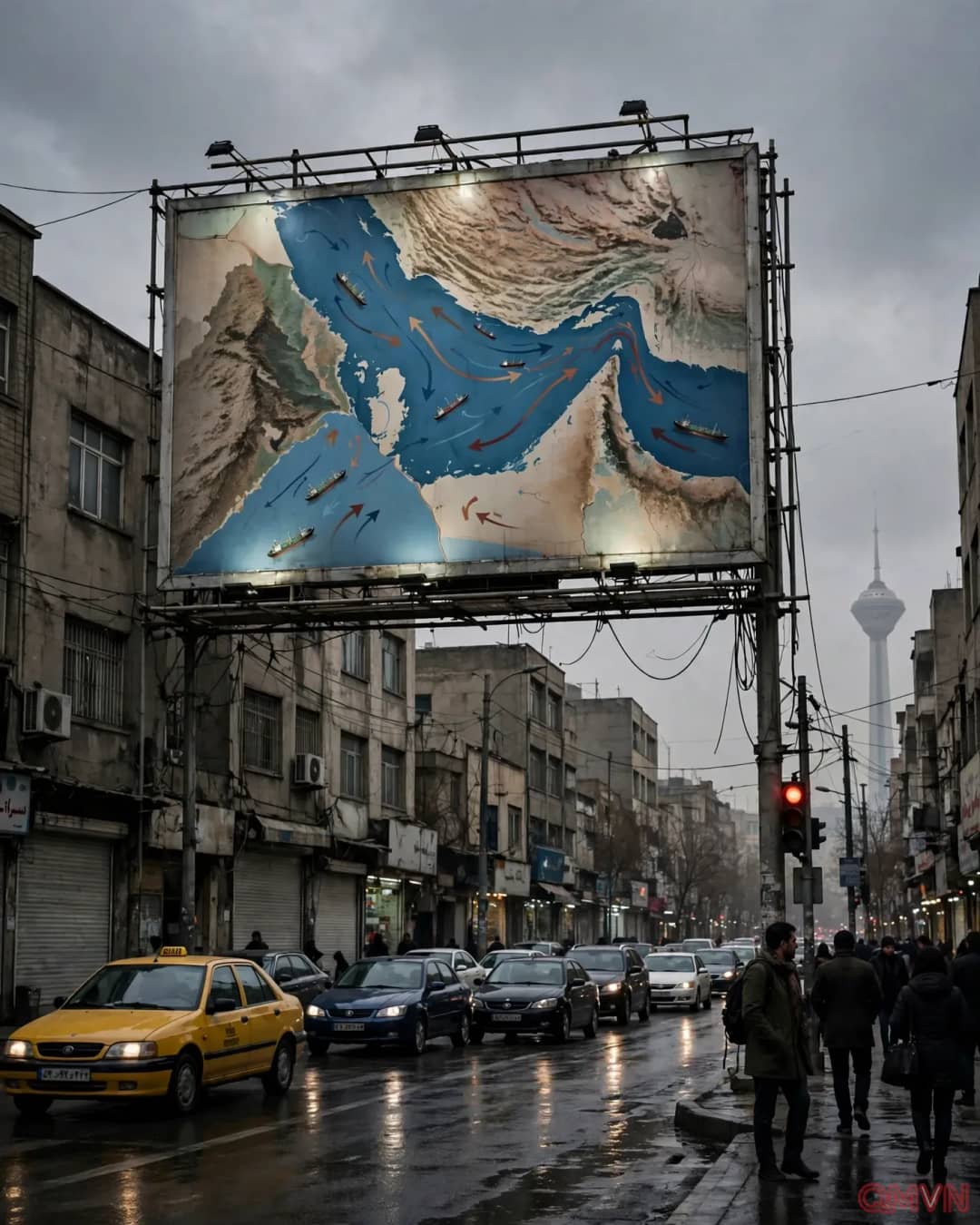
Restrictions on seaborne commerce are central to this standoff. The Strait of Hormuz is an unusually consequential shipping passage for energy markets, so uncertainty surrounding military activity and access to shipping routes can affect freight insurance, supply planning and prices well beyond the Gulf.