MAIN CONTENT
Bilateral encounters before an unusual summit
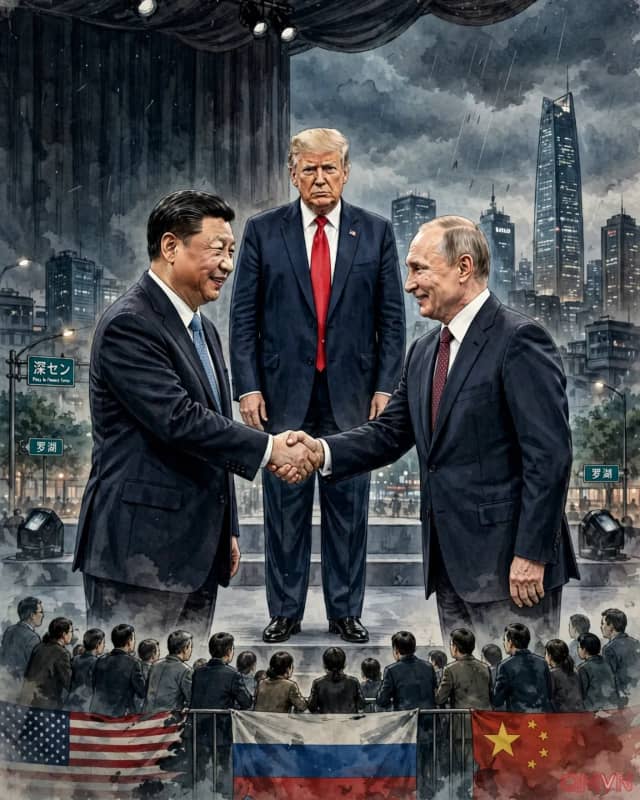
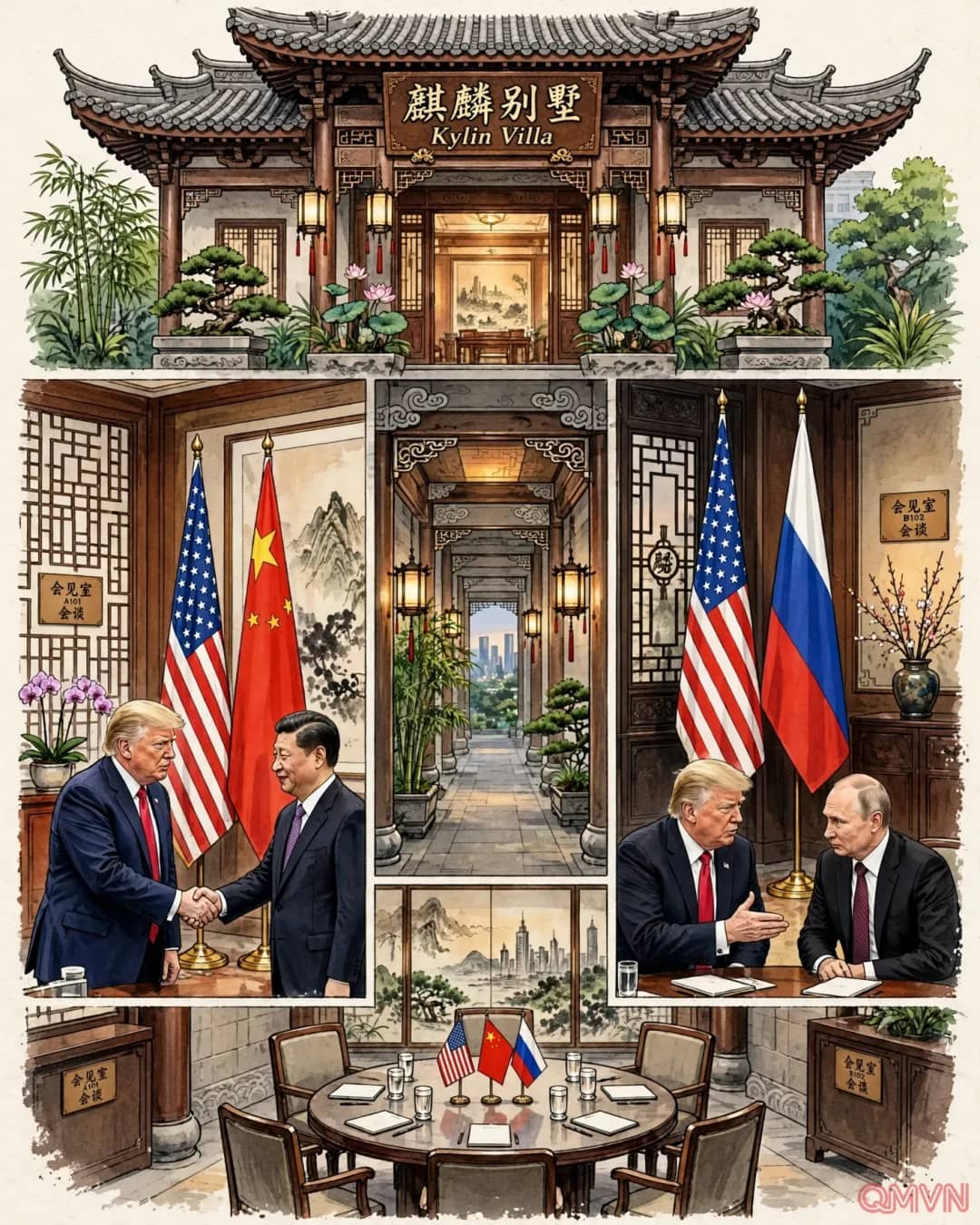
The meetings in Shenzhen offered a preliminary stage for an uncommon diplomatic format: the leaders of the United States, China and Russia preparing to meet together. CNBC reported on November 19 that Trump spoke separately with Putin and Xi before the planned trilateral session. Such encounters allow leaders to test intentions, identify areas where compromise might be possible and avoid surprises when they enter a larger negotiating room. They are especially valuable when routine diplomatic communication has become strained.
The agendas nonetheless diverge. Washington seeks to protect technological advantages and strategic supply chains. Beijing wants stability for its exporters, investors and economy. Moscow is principally concerned with security and the war in Ukraine. These priorities do not automatically produce a comprehensive bargain. Reuters reported earlier that Kremlin officials did not expect the separate Trump-Putin contact to become full-scale bilateral negotiations. That distinction matters when headlines risk giving diplomatic encounters more significance than their substance warrants.
Open markets meet the technology rivalry
Xi used APEC to advocate open trade and investment, while announcing $20 million in Chinese support for APEC cooperation and plans for a Shenzhen research center devoted to Asia-Pacific community studies, according to CNBC. The pledges reinforce Beijing's effort to present itself as an advocate of regional economic integration.