Four Existential Questions for China's AI Expansion in ASEAN
Such an accusation of technological dumping would gain traction if low-cost models, platforms and turnkey systems entered markets faster than local firms can learn, compete and develop products of their own. Host economies will eventually ask whose prosperity the technology serves.
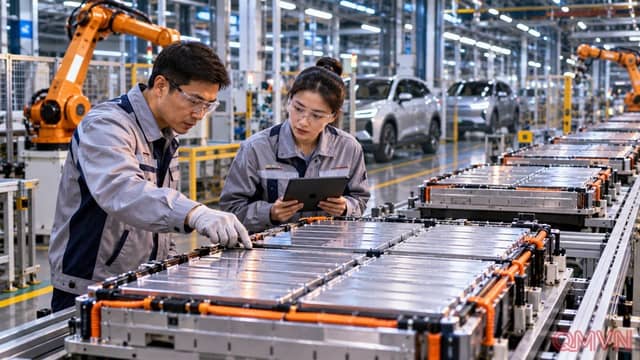
The expansion of Chinese artificial intelligence in Southeast Asia must therefore answer four questions. Does it help host industries move towards higher-value production? Does it equip locals to design, adapt and improve technology, rather than simply operate imported systems? Does the Chinese provider put down roots through local hiring, procurement, research and reinvestment? And do citizens share the gains through better jobs, rising incomes and more accessible services? Every major deployment should make an industry more productive, a local company more capable and workers better equipped to earn a living. If AI increases profits while destroying livelihoods and concentrating gains elsewhere, cooperation will breed resentment.
Opportunity From ACFTA 3.0 and 8,000 AI Matches at China-ASEAN Expo
The opportunity is considerable. The ASEAN-China Free Trade Area 3.0 upgrade protocol under ratification is designed to deepen cooperation in digital economy and supply-chain connectivity.