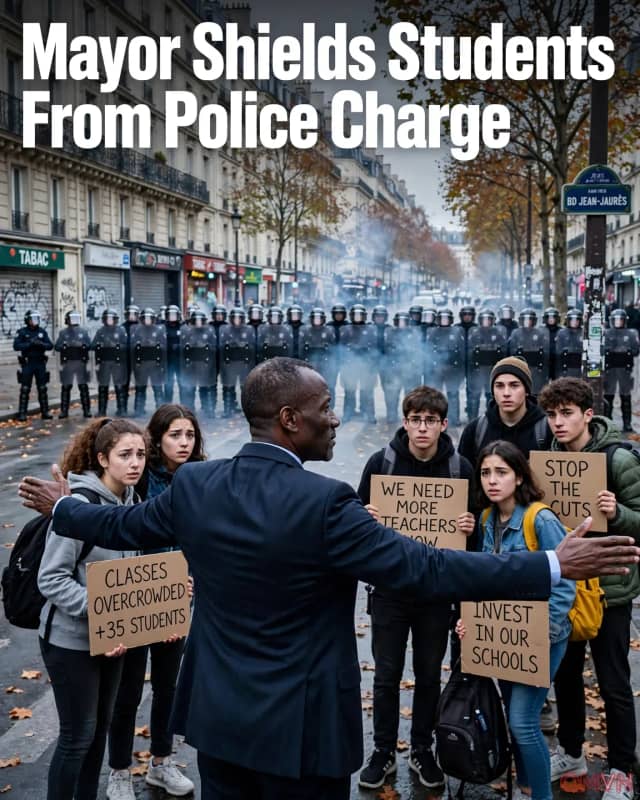
Marine Le Pen formally launches her French presidential bid, promising to restore order as waves of protest shake the nation
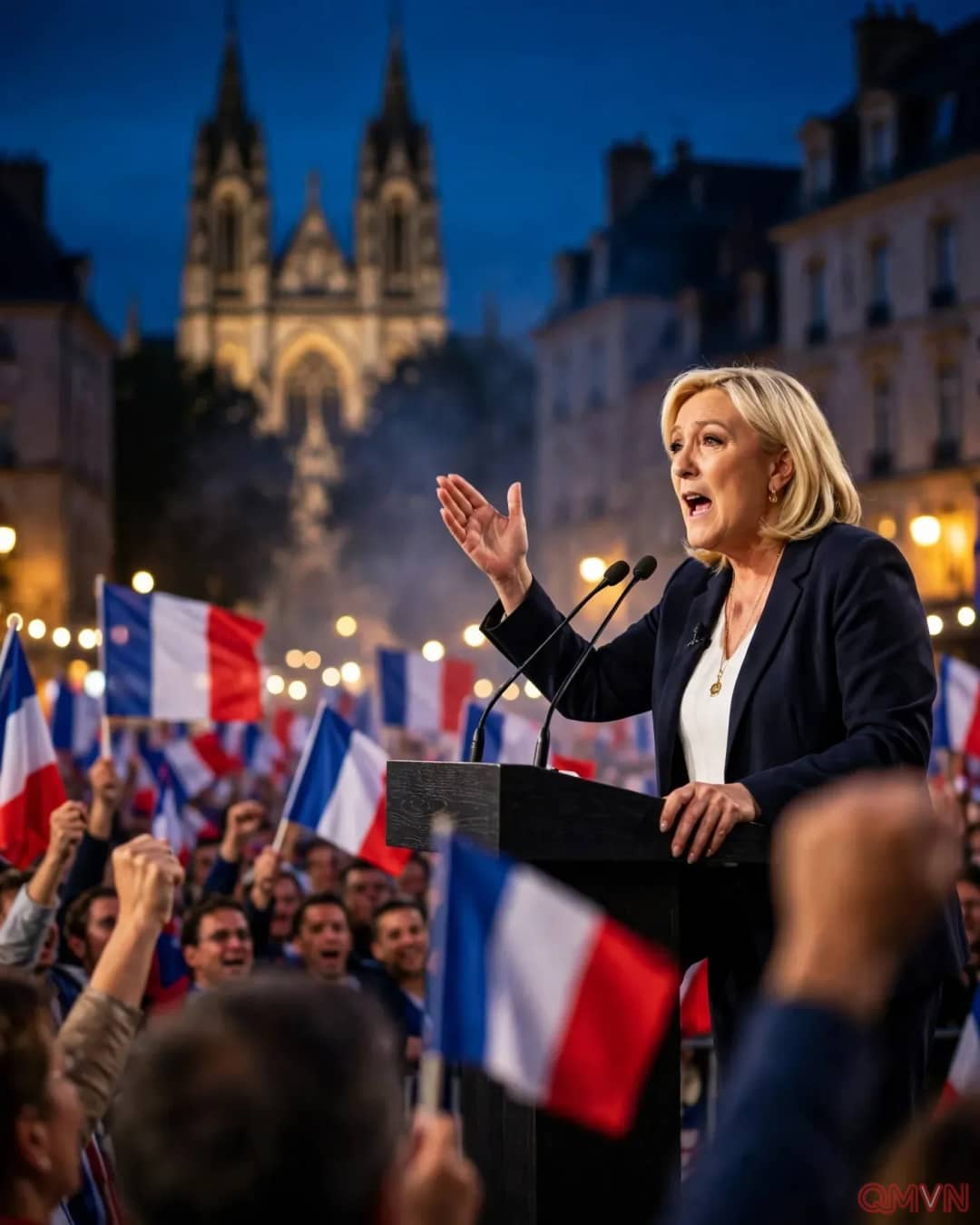
In Orleans, home of the heroine Joan of Arc, far-right leader Marine Le Pen formally launched her 2027 presidential campaign on October 25 with a promise to restore order and national confidence. As France goes through one of its most turbulent periods in years, with protests over living costs descending into looting, she cast herself as the person best placed to steer the country out of crisis. A poll published the same day put her in the lead on 32% to 33.5%, far ahead of hard-left candidate Jean-Luc Melenchon. Her platform includes “zero tolerance” policing, a tougher line on immigration, lower business taxes and curbs on Brussels' influence. Yet her conviction for embezzling European Parliament funds, which she is appealing, still casts a shadow over her path to the Elysee Palace.
Edite QUANG MINH·3 min read · 5 min listen·25 October 2026, 21:02 EDT·
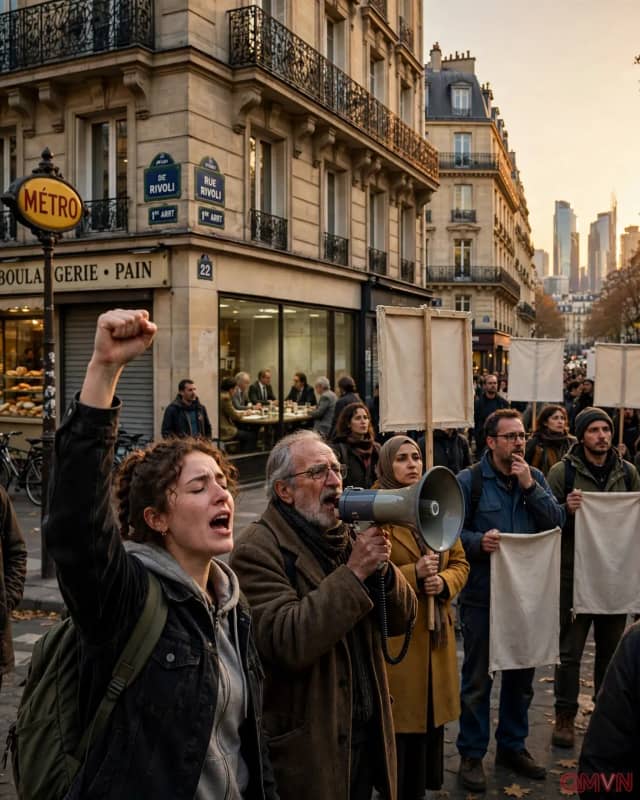
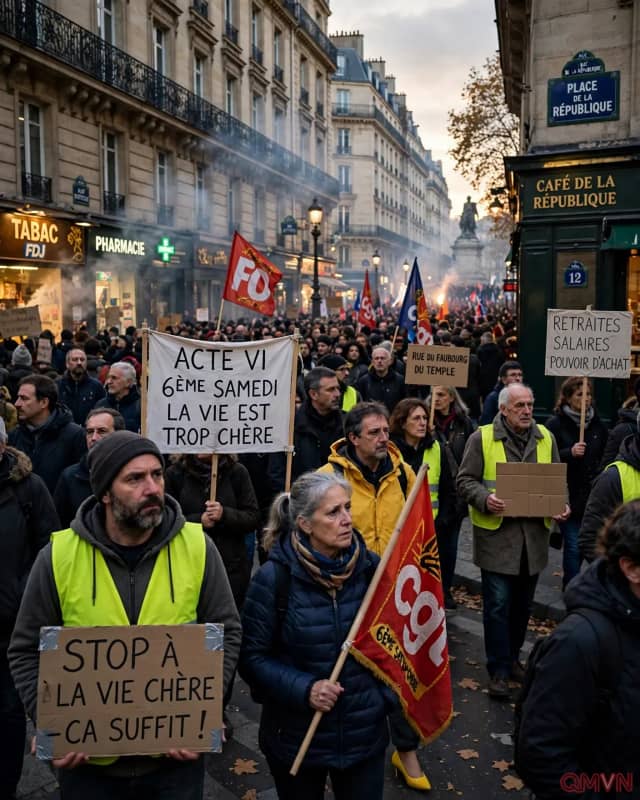
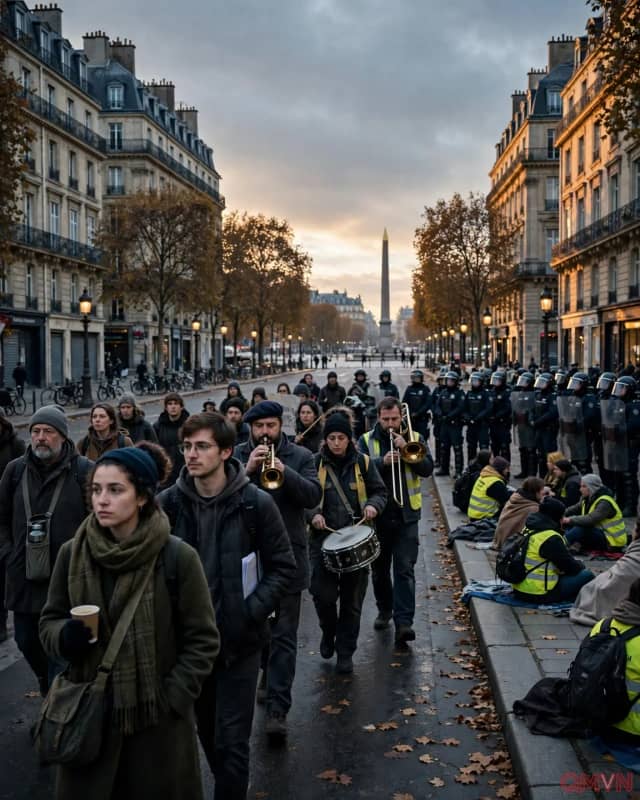
AI-generated illustration
MAIN CONTENT
Orleans and the promise of a “Renaissance”
Choosing Orleans for her first address was no accident. The city is tied to Joan of Arc, the 15th-century warrior revered by nationalists as a symbol of patriotism and sovereignty.
Advertisement300 × 250
Before a flag-waving crowd, following the congress of her National Rally (RN) party, Le Pen said France faced deepening economic, social and security crises, and took aim directly at her political opponents.
We are not living through the end of the world but the end of a world, their world.
Seeking to project optimism, she built her speech around the theme of a national “Renaissance.” France, she said, was living through upheaval but would emerge stronger if it embraced her vision of security, prosperity and renewal. “Things were good before, they will be better tomorrow,” she said, before closing with the declaration that “the future belongs to us” and leading the crowd in the national anthem.
Order, immigration and sovereignty
Le Pen said restoring security was the state's first duty and promised “zero tolerance” policing. Her program spans several areas:
Immigration and security: restoring border controls, automatically expelling foreign criminals and cracking down on gangs and drug traffickers.
Economy: spending restraint, lower business taxes, less bureaucracy and support for industry, innovation and artificial intelligence; no further increases in the retirement age.
Europe and foreign policy: no call for leaving the European Union, but a rollback of Brussels' influence, national control over borders and laws, French interests first and avoiding foreign wars.
Supporters see this as an answer to the insecurity people feel every day. Critics, however, ask how she can cut taxes, freeze the retirement age and rein in the budget deficit all at once, and worry that her stance toward Brussels could weaken France's standing within the European Union.
Gaining ground from turmoil in the streets
Last weekend, mass protests over living costs and inequality descended into looting and vandalism. The street turmoil has given Le Pen a boost. A poll published on October 25 put her on 32% to 33.5%, well ahead of her nearest rival, Jean-Luc Melenchon, on 17%, as voters desert mainstream parties for the political extremes. Surveys also suggest she would easily defeat Melenchon in a run-off, expected in early May.
“If she does run for a fourth time, she won’t be an opponent we can sneer at.” – Jean-Luc Melenchon
That admission from a rival shows how far Le Pen has come from her image of a decade ago. Still, experts note that more than six months remain before the vote, and French presidential elections have often seen surprising reversals, especially when other forces unite in the second round.
A legal shadow and open questions
Le Pen was convicted of embezzling European Parliament funds in a fake jobs case. In July, a Paris appeals court upheld her conviction but shortened her ban from public office, clearing her to run, while sentencing her to three years in prison, one of them to be served with an electronic ankle tag. She is appealing to France's highest court, denies all wrongdoing and calls the rulings “political.” That same evening, she declared her candidacy.
Tonight, I am a candidate for the presidential election. I will not change my mind.
The party congress in Orleans was also designed to showcase unity: Jordan Bardella was re-elected RN president and presented as Le Pen's choice for prime minister. Yet his speech was interrupted by activists from a Jewish student union, drawing attention to recent accusations that he made antisemitic comments in his youth, which he denies. The episode shows that, for all its changes, the party still faces lingering doubts.
BACKGROUND OF THE EVENT
The story began in 1972, when Jean-Marie Le Pen founded the National Front, a far-right party on the fringes of French politics. In 2011, Marine Le Pen took over and pursued a strategy of “de-demonization”: she expelled her own father in 2015, renamed the party National Rally in 2018 and broadened its appeal beyond its traditional anti-immigration base. She has run for president three times, reaching the run-off twice but losing both times to Emmanuel Macron, though the gap narrowed sharply in 2022.
The deeper knot lies in voter fatigue with mainstream politics. After the 2024 snap parliamentary election, France was left with a hung parliament, governments fell one after another, and budget deficits and living costs weighed heavily on households. Macron cannot run again, leaving a large power vacuum. RN supporters believe the party offers much-needed change; opponents warn of risks to democratic values, the rights of immigrants and France's place in Europe.
Key takeaways
When trust in mainstream politics runs dry, voters turn to the boldest promises.
Historical symbols can stir emotions, but only concrete policies can answer questions about the future.
Lasting order comes not only from discipline but from the fairness people feel every day.
Subscribe to the QMVN newsletter
A daily morning digest - only stories worth reading, no spam.