A scandal turns into a legislative catalyst
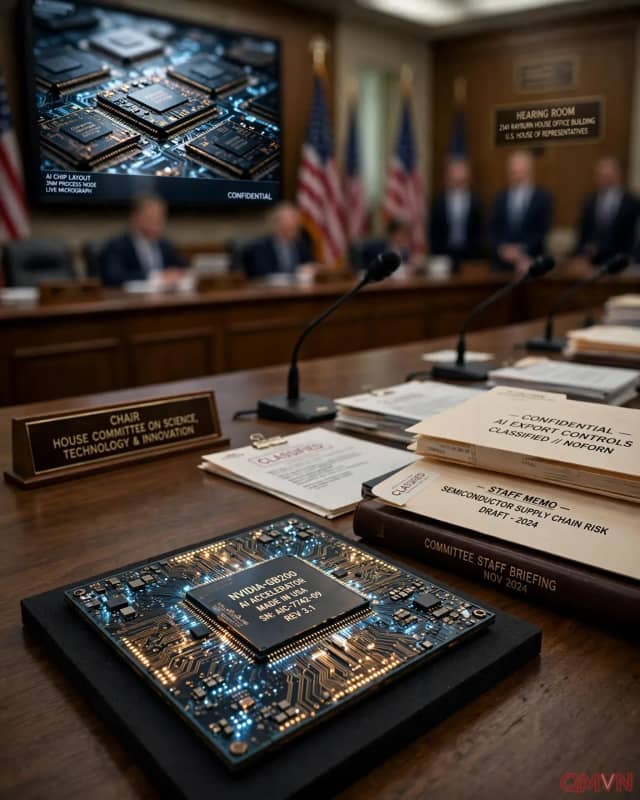
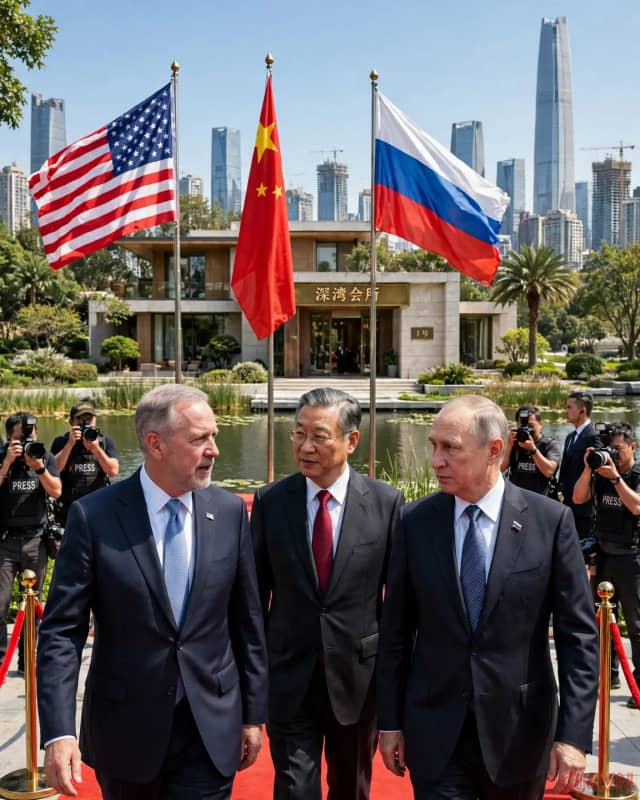
According to Reuters, US lawmakers on November 10 renewed calls to tighten China’s access to advanced AI chips after The New York Times reported that Huang is accused of having a romantic relationship with a Chinese spy. Huang has admitted to an affair, while Nvidia said its board has no reason to believe that US national security or company secrets were compromised, though its inquiry will examine all available information.
The case strikes at the heart of the technology rivalry between the two superpowers. The United States and China are racing to build superior AI models, and for years Washington has sought to limit China’s access to Nvidia chips in order to slow Beijing’s progress.
Three bills on the table
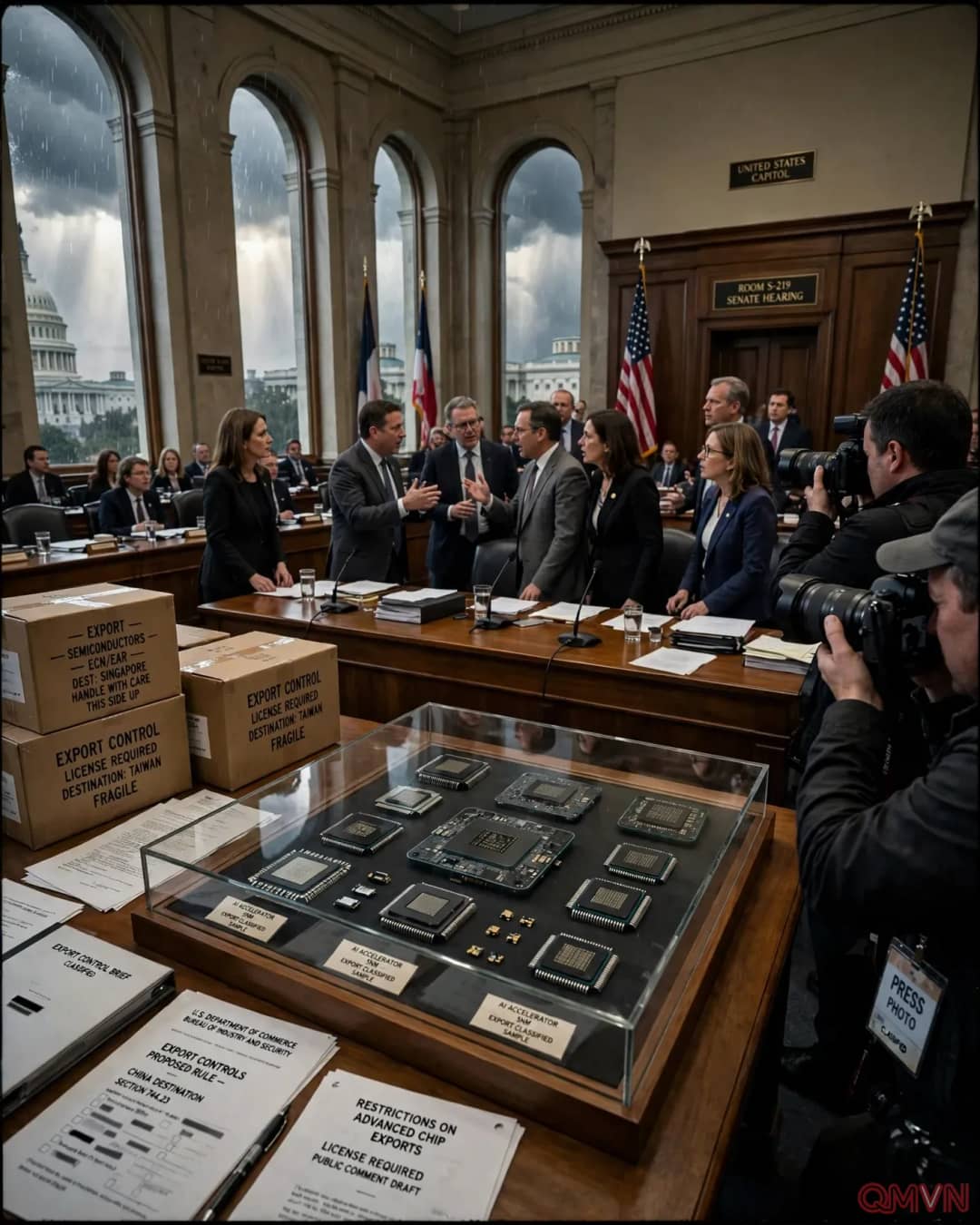
Schumer called on Congress to swiftly pass three pieces of legislation:
- The AI Overwatch Act, which would give Congress power over advanced chip exports.
- The Chip Security Act, which would require businesses to track the location of their chips to combat smuggling.
- The Match Act, which would push US allies to restrict further sales of chipmaking equipment to China.
House China Committee Chairman John Moolenaar, a Republican, said the restrictions should be included in the National Defense Authorization Act (NDAA), the annual bill that determines everything from how many ships, aircraft and missiles are bought to pay raises for troops.