MAIN ARTICLE
An upset in agricultural California
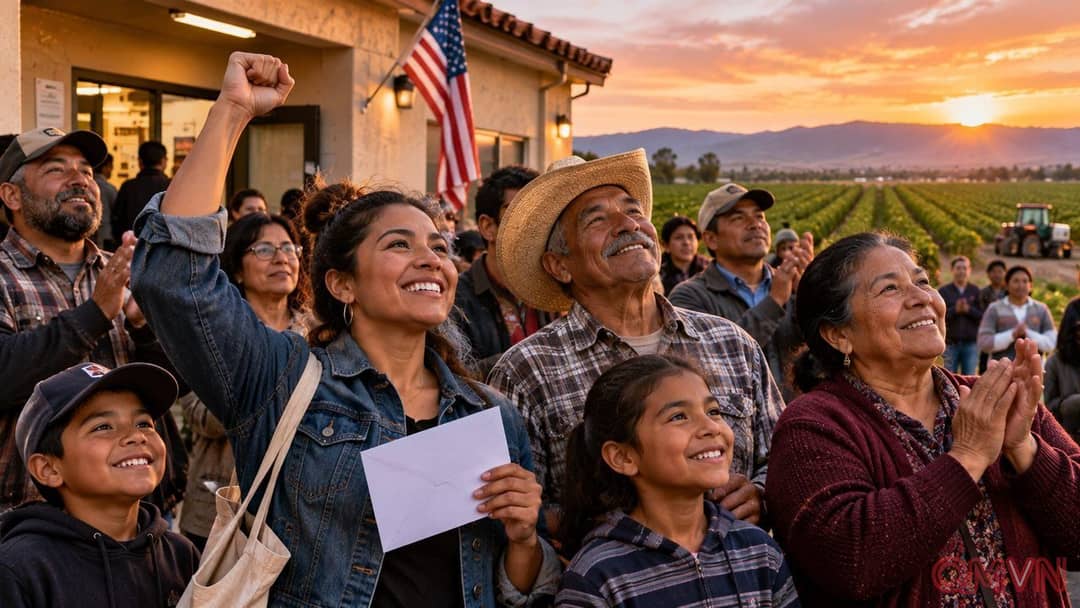
On November 3, Randy Villegas defeated David Valadao in the contest for California’s 22nd House district. The Associated Press and other outlets called the race, although detailed vote totals remain subject to counting and eventual certification. It was a closely watched contest in the Central Valley, a major farming region where housing costs, wages, working conditions and migration are not distant political abstractions but daily concerns for families and employers.
Valadao brought years of congressional experience and a reputation for relative moderation. He had recovered his seat in 2020 after losing during the Democratic wave of 2018. Villegas offered a different profile: an educator and son of Mexican immigrants who grew up in the community he sought to represent. Still, it would be misleading to describe the outcome as the result of campaign messaging alone. Redrawn district boundaries also altered the electoral landscape, complicating comparisons with previous contests.
Affordability becomes the campaign’s common language
From fuel bills to groceries, the cost of living anchored Villegas’s appeal. He paired complaints about household finances with proposals to broaden health-care access and criticism of what he portrayed as disproportionate influence by wealthy interests in politics.