MAIN ARTICLE
A vote that preserved the present political balance
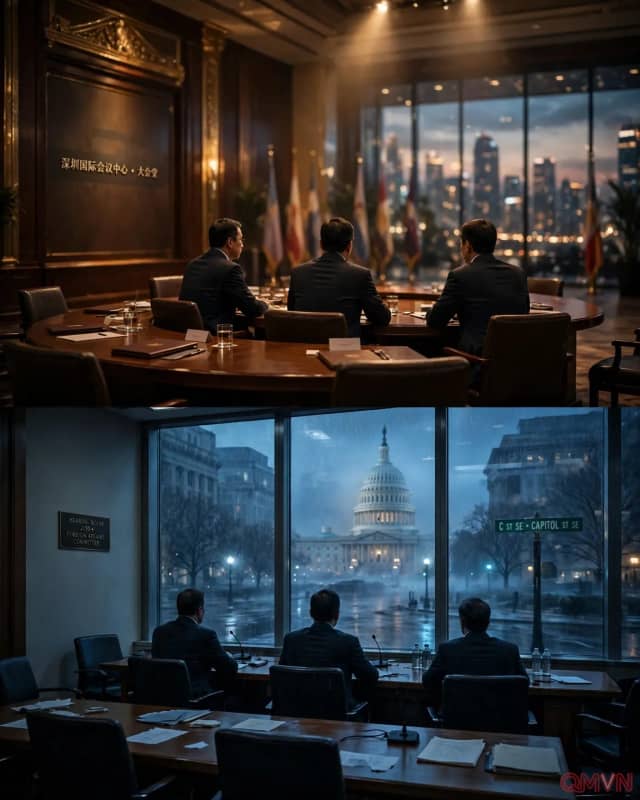
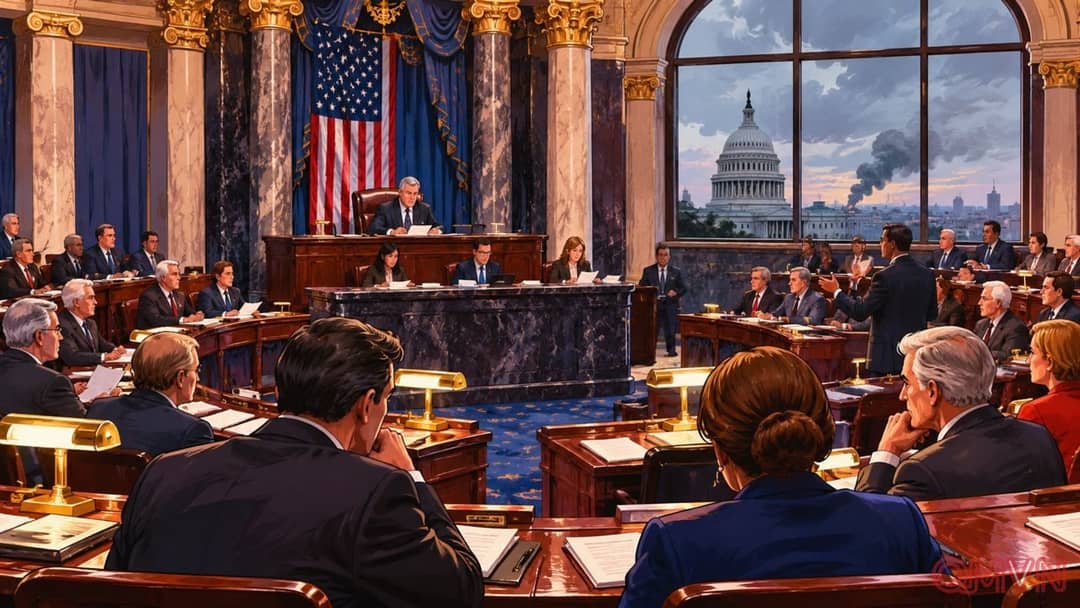
In Washington, the Iran war powers resolution failed 48–51 after clearing the House of Representatives in September by 220 votes to 204. The Senate’s official record identifies the measure as H.Con.Res.93, directing the withdrawal of US forces from hostilities involving Iran. Its defeat should not be confused with an affirmative congressional authorization for the war. Rather, senators declined to adopt this particular attempt to restrain presidential military action, leaving the existing dispute over constitutional responsibilities unresolved.
Republican senators Susan Collins, Lisa Murkowski and Rand Paul supported the resolution alongside Democrats. Democrat John Fetterman voted with the Republican majority against it. The near-party-line result illustrates how firmly the president’s coalition has held together despite electoral setbacks and growing public dissatisfaction. At the same time, the four departures from conventional partisan positions show that views about military intervention, presidential discretion and congressional oversight do not always fall neatly into two political camps.
A distant war with a growing domestic bill
The US–Israeli military campaign against Iran began on February 28, according to Reuters. Months later, arguments persist about its objectives, duration and the conditions that would justify ending it. Critics warn of an open-ended commitment without a clear exit strategy.