MAIN STORY
Replaying an impact before building the car
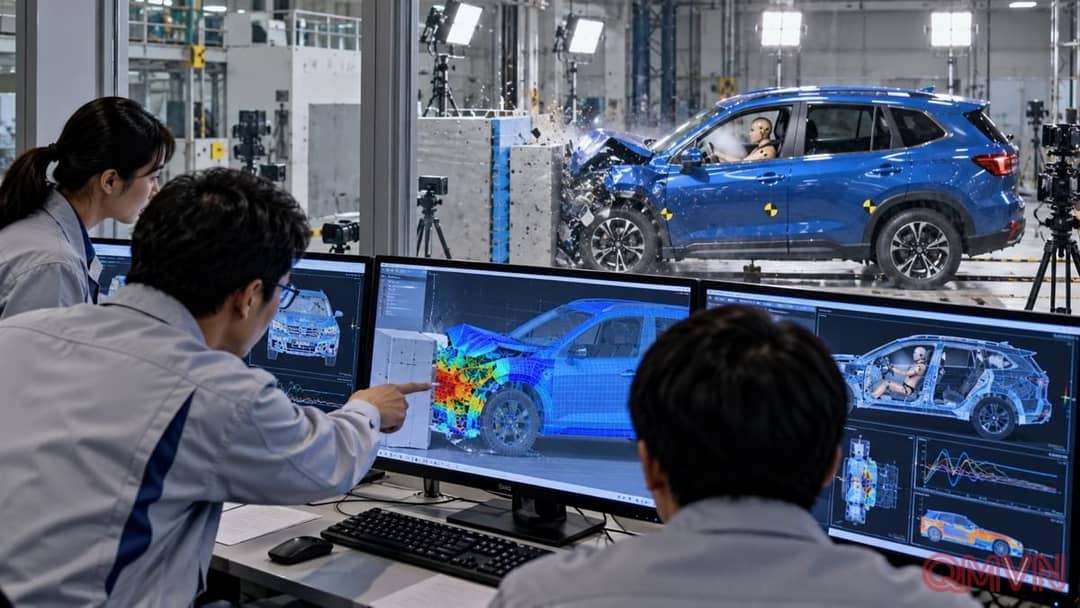
Traditional vehicle development involves building prototypes, crashing them into barriers, reviewing deformation and occupant protection, and then refining the design before another expensive test. Simulations allow engineers to examine body structure, impact forces and component behaviour in a virtual environment, identifying weaker options before producing additional test vehicles.
Subaru says its digital models, drawing on historical testing information, can generate results comparable with physical crash testing. That creates opportunities to study more scenarios earlier, while retaining real-world tests to confirm critical assumptions and investigate cases that computational models may miss.
Parallel work instead of serial hand-offs
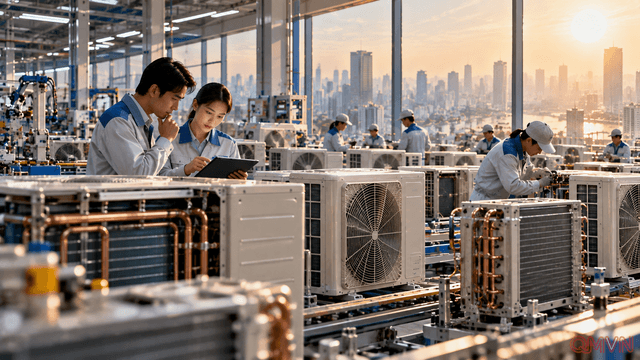
At the Sano research facility north of Tokyo, the company presented a broader organisational shift. It wants teams responsible for design, verification and production preparation to work in parallel, with specialists from suppliers joining Subaru employees at the same location.