Where charity law draws the line
The Charity Commission’s public guidance says charities may engage with public policy when doing so advances their charitable purposes, but they must remain independent and must never promote, or appear to promote, a political party or candidate. The rule applies across the charitable sector, including many registered religious institutions. The key legal distinction is therefore not whether an individual worshipper may support a party, but whether a charity’s authority, resources or institutional identity are being used to influence voters in a party-political direction.
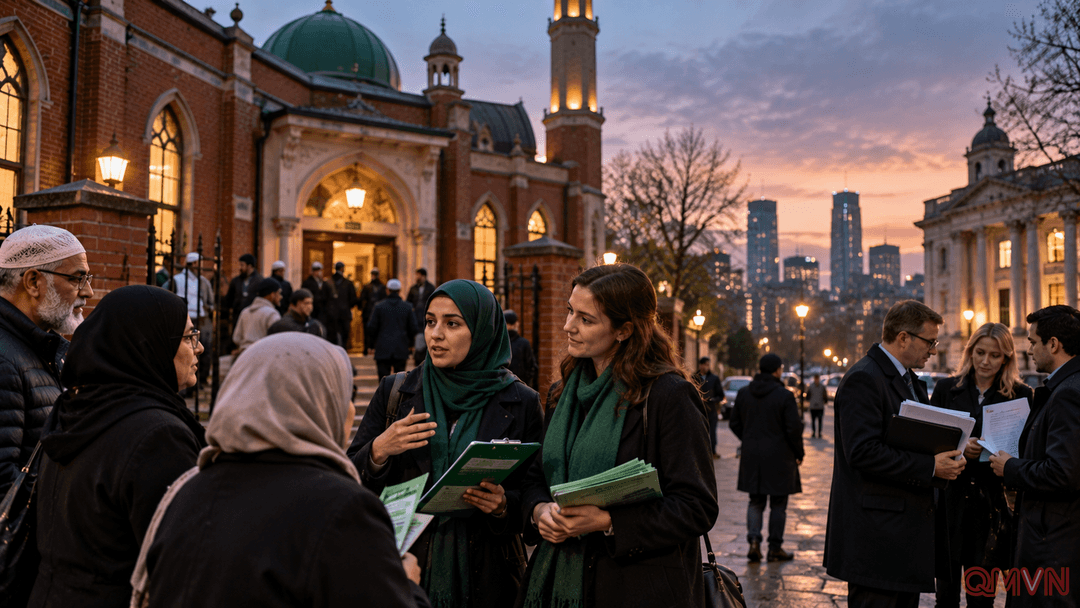
The Times reported that Alam told a conference fringe event that formal mosque endorsements were “really, really hard” because charitable status prevents such institutions from openly backing a party. She then used the phrase “under cover” to describe what she said had happened during campaigning. The National Secular Society argues that this wording warrants scrutiny because it could suggest an awareness of the restrictions attached to charitable status.
“Charities are required to be independent and must never promote, or be seen to promote, a political party or candidate.” Charity Commission