MAIN CONTENT
Looking beyond an iconic social portraiture project
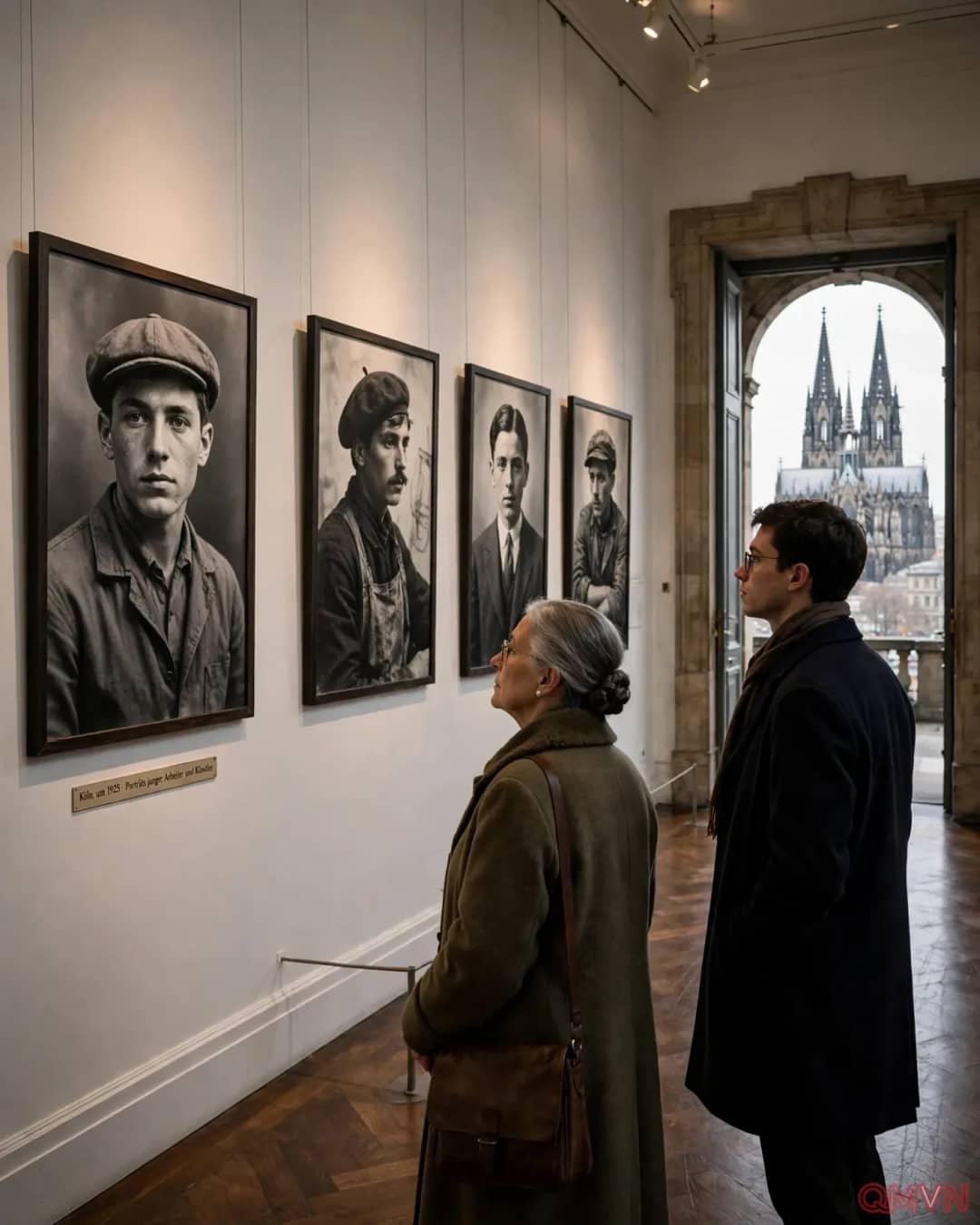
Sander is best known for Menschen des 20. Jahrhunderts, or People of the Twentieth Century, an ambitious attempt to portray the occupations, social groups and changing identities of Germany. Farmers wearing their Sunday best, artisans, artists and urban residents appeared before his camera with a gravity that made the images seem almost scientific. His method helped shape the enduring idea that documentary photography could build an atlas of social experience.
Yet the Cologne exhibition deliberately widens the frame. Rather than rely on a greatest-hits selection, it draws overwhelmingly on the August Sander Archive, housed by the foundation since 1992. Alongside familiar faces, visitors encounter early work from Linz in Austria, commissioned photography from the Westerwald region and many lesser-known sequences. This approach treats the iconic portraits as part of a more varied working practice, not the totality of the photographer’s ambitions.
The surprising place of Dada and the Cologne Progressives
After settling in Cologne in 1910, Sander developed close ties to artists who believed visual culture could engage with political and social change. The Cologne Progressives, including Franz Wilhelm Seiwert and Anton Räderscheidt, formed an important part of this environment. Portraits of Raoul Hausmann, Gottfried Brockmann and other creative contemporaries therefore become evidence of lasting conversations rather than isolated encounters between a subject and a camera.