MAIN CONTENT
A notice that closes a diplomatic channel
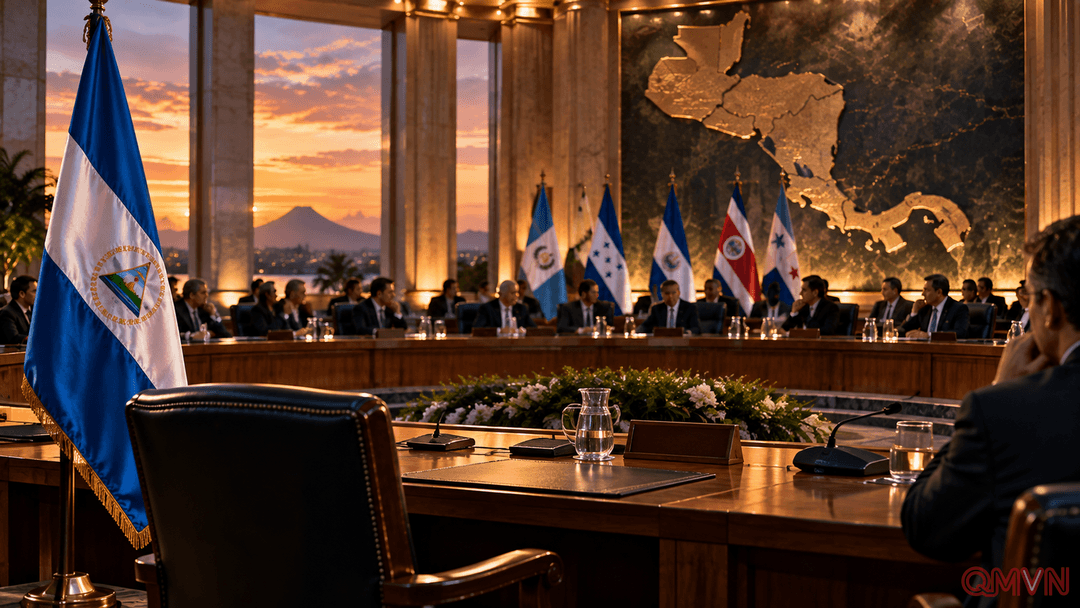
Nicaragua’s foreign ministry said that it was denouncing the 1987 treaty establishing Parlacen, effective immediately, and described the decision as an exercise of sovereignty. Its notification to the regional body signaled that the government no longer wished to participate in that political framework. Whether additional treaty procedures or transitional arrangements will be required is a separate question that should not be confused with the government’s announced intention.
Parlacen emerged from efforts to replace conflict with political engagement across Central America. It was never merely a meeting room: a common parliamentary forum can allow representatives with incompatible views to keep talking. Nicaragua’s departure therefore carries symbolic weight even before the practical consequences for its representation have been fully clarified.
Human rights and an expanding diplomatic rift
Timing is central to the story. On October 2 the OAS adopted a resolution calling for the unconditional release of political prisoners, information about forcibly disappeared people and the restoration of civic freedoms.