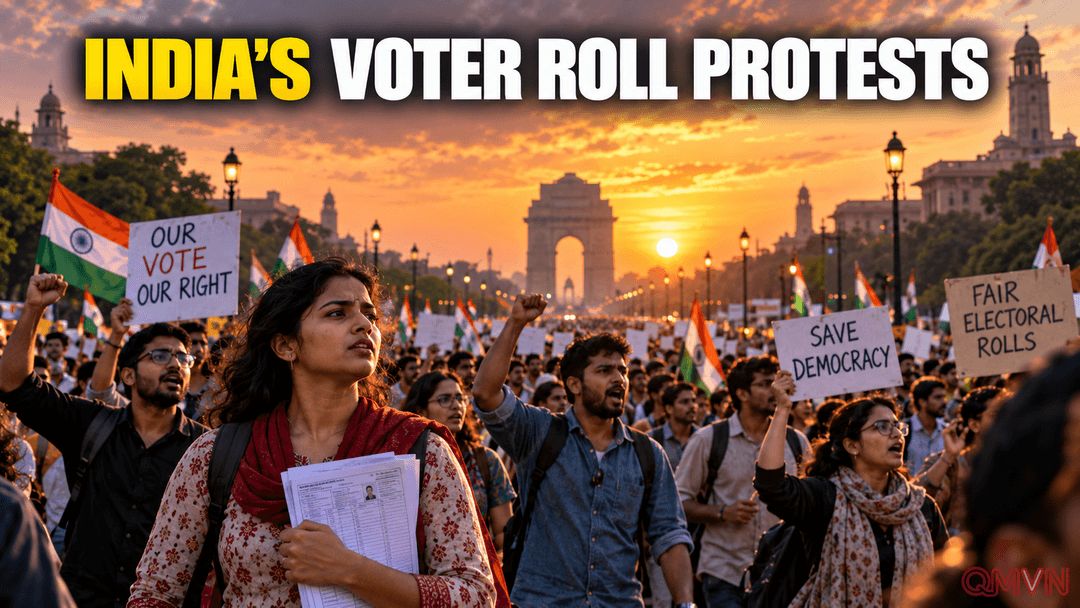
A nationwide review becomes a political fault line
The Special Intensive Revision, or SIR, began in Bihar in 2025 before extending to most Indian states and union territories. Officials have required voters to provide documents establishing eligibility. The Election Commission maintains that electoral integrity requires removing duplicate records and entries for people who no longer qualify. Yet an administrative project of this magnitude also shifts a significant burden onto citizens who must check, document and sometimes defend their place on the rolls.
For critics, the issue is less whether electoral data should ever be corrected than whether the chosen procedures are accessible and fair. Migrant workers, poorer households and people without older records may find it especially difficult to demonstrate eligibility. AP has reported millions of appeals against deletions. The widely cited total of removed names should not automatically be equated with a verified count of eligible voters wrongly excluded; individual cases and appeal outcomes remain central to establishing the real effects.
Protest movements bring the dispute into the streets
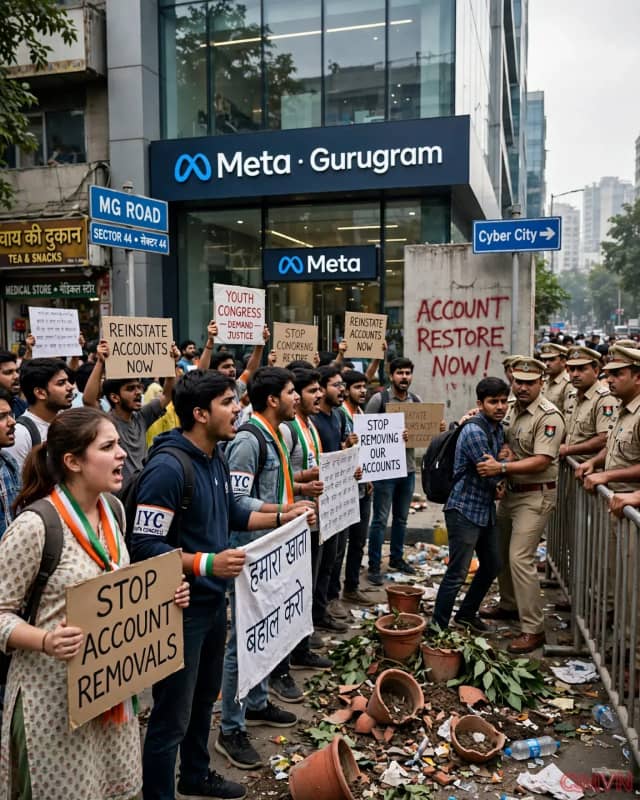
Opposition parties, civic organisations and the youth-led “Cockroach” movement have organised rallies over the first week of October. The movement had previously mobilised protests over examination scandals that helped force the education minister’s resignation in July.