MAIN CONTENT
A deal salvaged by rewriting the data provisions
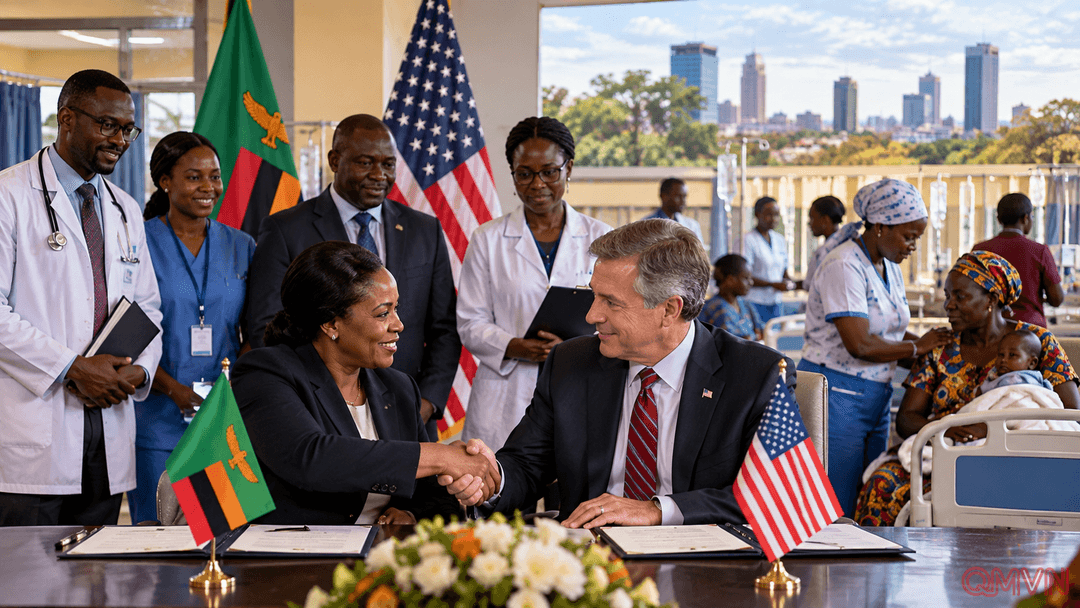
The decisive change concerns language that would have required Zambia to provide health information and biological samples when requested by the United States. Chilengi said the current version contains no specimen-sharing condition and that clauses on individual health data have been removed. That revision allows both governments to retain the financing and technical cooperation at the heart of the agreement without forcing Lusaka to defend provisions that had become politically and ethically contentious at home.
The $3.6 billion headline figure represents combined spending by both countries over five years. Chilengi has said the US portion is expected to be about $1.5 billion, while Zambia will increase its own contribution. The structure reflects Washington’s newer approach to foreign health assistance: continued support paired with a gradual shift toward greater domestic financing by partner governments.
Why the original clauses triggered resistance
The controversy was not about whether epidemiological information can save lives. Public-health surveillance depends on rapid access to data and specimens to identify outbreaks, track pathogens and develop diagnostics, vaccines and treatments. The dispute focused instead on control and benefit-sharing.