MAIN ARTICLE
A warning that reaches beyond tariffs
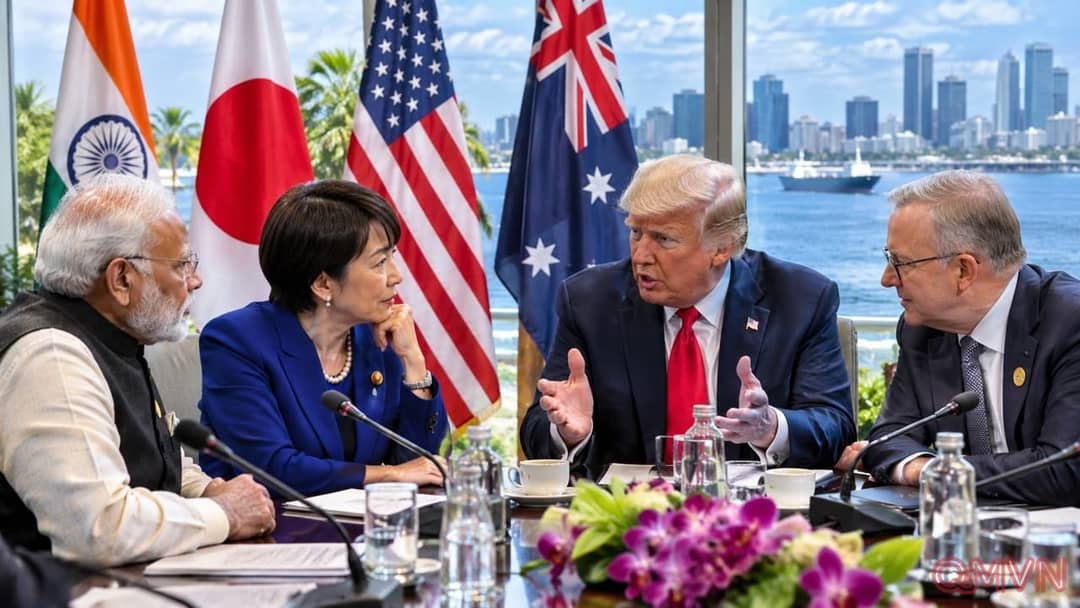
The joint statement, issued alongside ASEAN-related meetings, reaffirmed a free, open, stable and prosperous Indo-Pacific. The leaders rejected unilateral attempts to alter the status quo through force or coercion. By highlighting economic coercion alongside maritime risks, the four governments signalled that economic vulnerabilities are now a central part of regional security.
An unexpected export restriction can disrupt factories thousands of kilometres away without a single warship entering contested waters. Critical minerals, industrial components and logistics routes have therefore become subjects for security diplomacy. Although the statement did not identify China, strategic tensions and concerns over concentrated supply chains form an unmistakable backdrop to the debate.
Yet not every export control necessarily constitutes coercion. Governments may restrict sensitive goods for legitimate security or legal reasons. The harder question is whether measures are transparent, proportionate and predictable, or designed to exploit another economy’s dependence.