MAIN ARTICLE
A production rebound with two different measurements
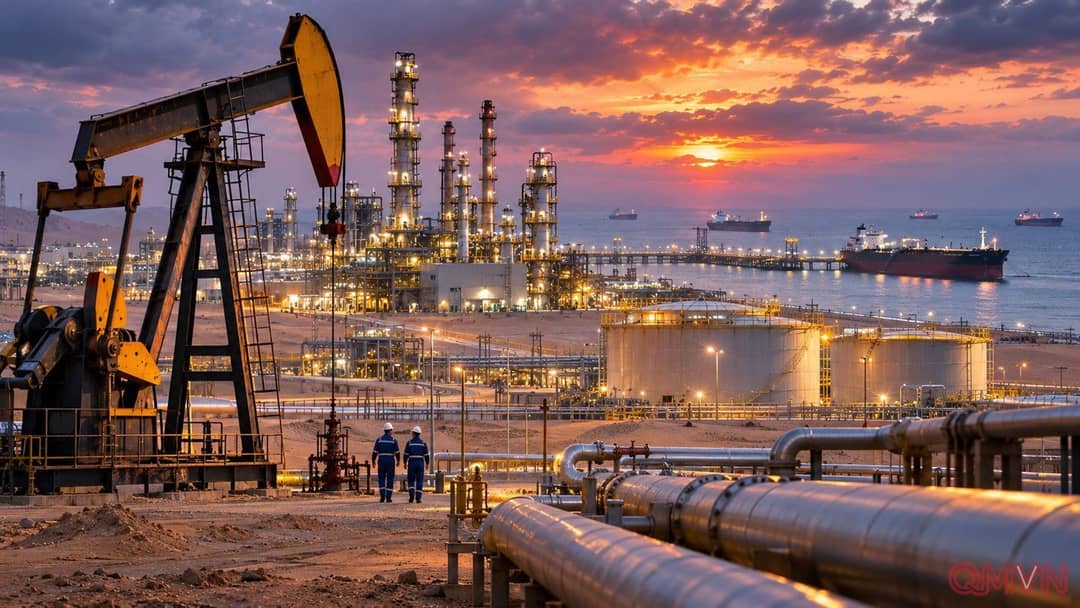
OPEC’s November report put the output of countries participating in OPEC+ cooperation at roughly 41.23 million barrels a day in October, about 2.04 million above September. Reuters calculated that this equaled 97% of February’s 42.72 million barrels a day, before the conflict involving Iran transformed regional energy trade. The figures suggest that some impaired capacity has returned, offering policymakers a measure of reassurance after months of shortages.
Saudi Arabia directly reported production of 10.563 million barrels a day, against 8.372 million in September. OPEC’s independently sourced estimates, however, put Saudi October output at around 9.194 million. The two series use different reporting methods and should not be presented as interchangeable evidence of oil actually reaching buyers. In a disrupted market, production, exports and delivered supply are distinct economic realities.
Strait of Hormuz disruption shifts the burden to alternatives
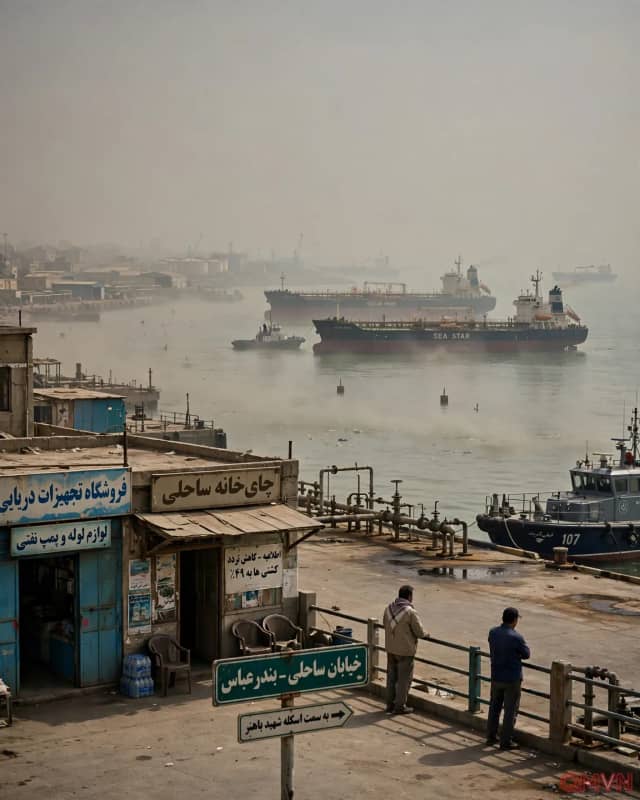
Since the US-Israeli war with Iran began in late February, shipping through the Strait of Hormuz has faced profound disruption. Saudi Arabia’s East-West Pipeline to the Red Sea port of Yanbu offers one alternative, while ship-to-ship transfers and revised trading routes can provide additional flexibility.