MAIN ARTICLE
A rapid-response force becomes a policy dividing line
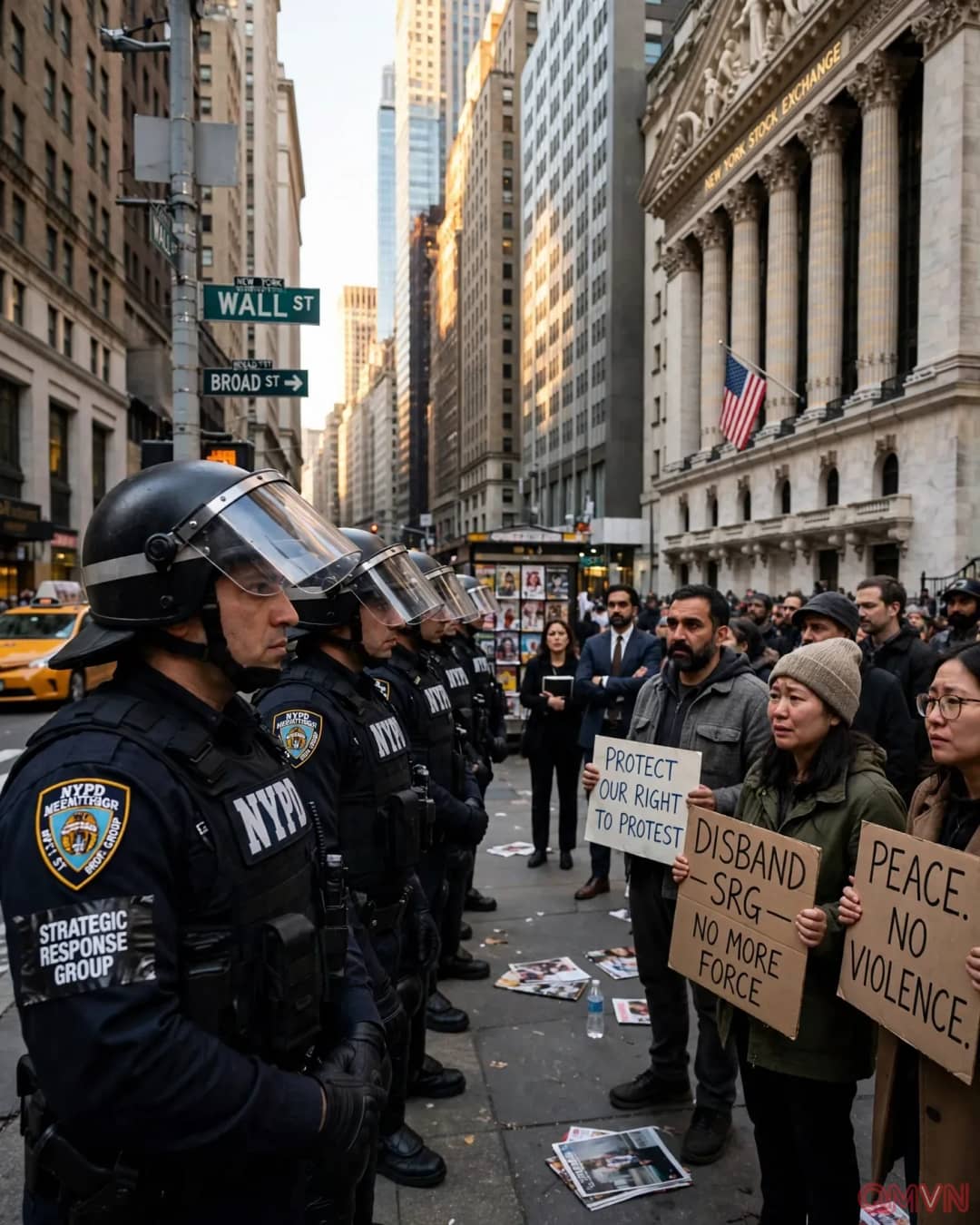
Created in 2015, the SRG was designed for rapid deployment to serious incidents. Over time, it combined counterterrorism assignments with a visible role at major demonstrations. That combination drew criticism because a lawful assembly could be met by personnel and equipment associated with exceptional security threats. Reuters reported complaints about pepper spray, riot-equipped officers and mass arrests during protests. The central question was not whether police should attend large public gatherings, but what level and kind of police response a gathering should trigger.
For Mamdani, ending the SRG converts a campaign commitment into an administrative decision. His argument is that people exercising a constitutional right to protest must not face the same response as a terrorist threat. That does not remove the police obligation to protect lives or enforce lawful orders. It asks the city to distinguish clearly between the right to demonstrate and conduct that presents a genuine safety risk. Tisch’s participation in the announcement matters because implementation depends on the police leadership as much as on elected officials.
Under the mayor’s official plan, counterterrorism functions, including armed deployments around critical infrastructure, will move to the NYPD’s Intelligence and Counterterrorism Bureau. Approximately 500 SRG officers are due to be reassigned before the following spring, rather than dismissed. City Hall says the changes will not increase costs or alter overall NYPD headcount. Such details make the proposal a reallocation of responsibilities, personnel and operational rules, rather than simply the elimination of police capacity.