“Clearly 100% energy”
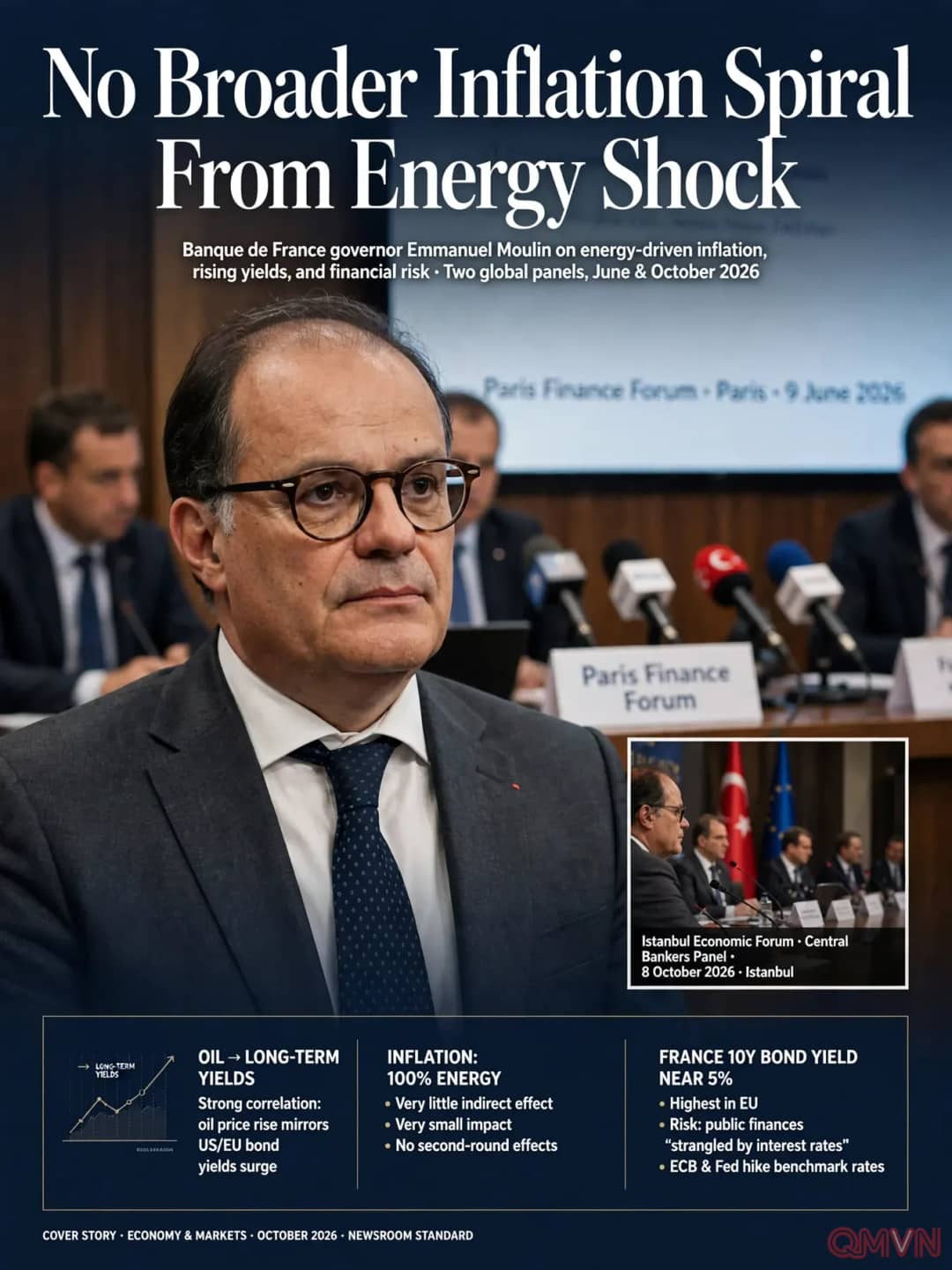
Addressing a panel of central bankers at the Istanbul Economic Forum, Emmanuel Moulin said inflation stemming from the Middle East war has not yet spread beyond energy prices. In his view, there is little sign that rising prices are spilling over into wages or other parts of the economy.
He stressed that at this stage indirect effects remain very small and there are no “second-round effects”, in which higher energy prices lead to wage demands that in turn push up the prices of other goods and services.
“Inflation is clearly what we see. It's clearly 100% energy. We see very little indirect effect. And we don't see second-round effects.” — Emmanuel Moulin
A spreading financial shock
Even so, Moulin acknowledged that geopolitical tensions are fuelling a broader financial shock. Inflation fears and growing concern about huge government spending have sent bond yields soaring, raising borrowing costs and expectations that central banks will raise interest rates.
Indeed, both the ECB and the Fed have begun raising their benchmark rates in recent weeks, citing the risk of further price increases. The yield on 10-year US Treasuries has just hit its highest level since 2002.
“A strong correlation between oil, long-term interest rates in the US and interest rates in Europe.” — Emmanuel Moulin
France at risk of being “strangled by interest rates”
In an interview with the Financial Times on Monday, Moulin warned that France, whose government bond yields are now among the highest of EU member states, risked being “strangled by interest rates” unless public finances are brought under control.
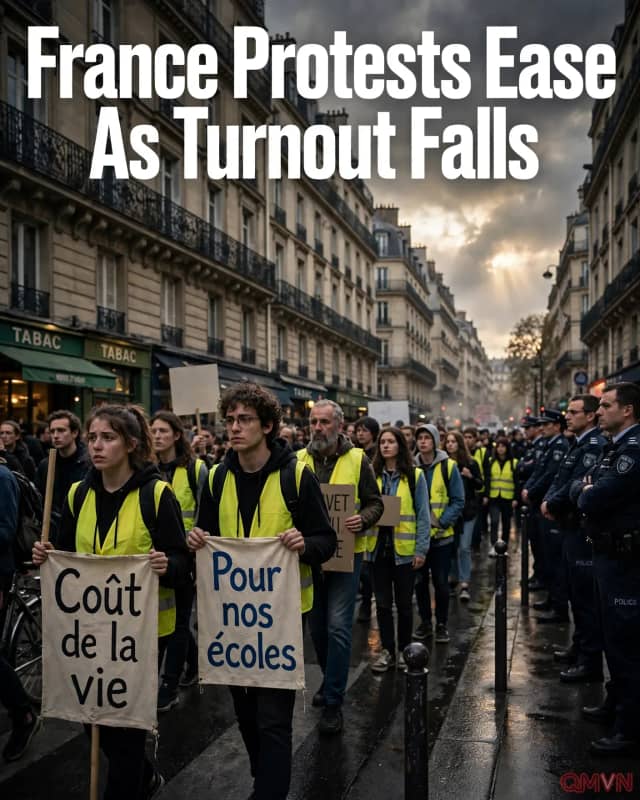
The comments drew criticism from left-wing presidential candidate Jean-Luc Mélenchon, who said Moulin was effectively urging market speculators to punish France. The row comes as France faces a wave of student protests, pressure over energy prices and an approaching presidential election.
“Strangled by interest rates.” — Emmanuel Moulin