From comfort to hardship
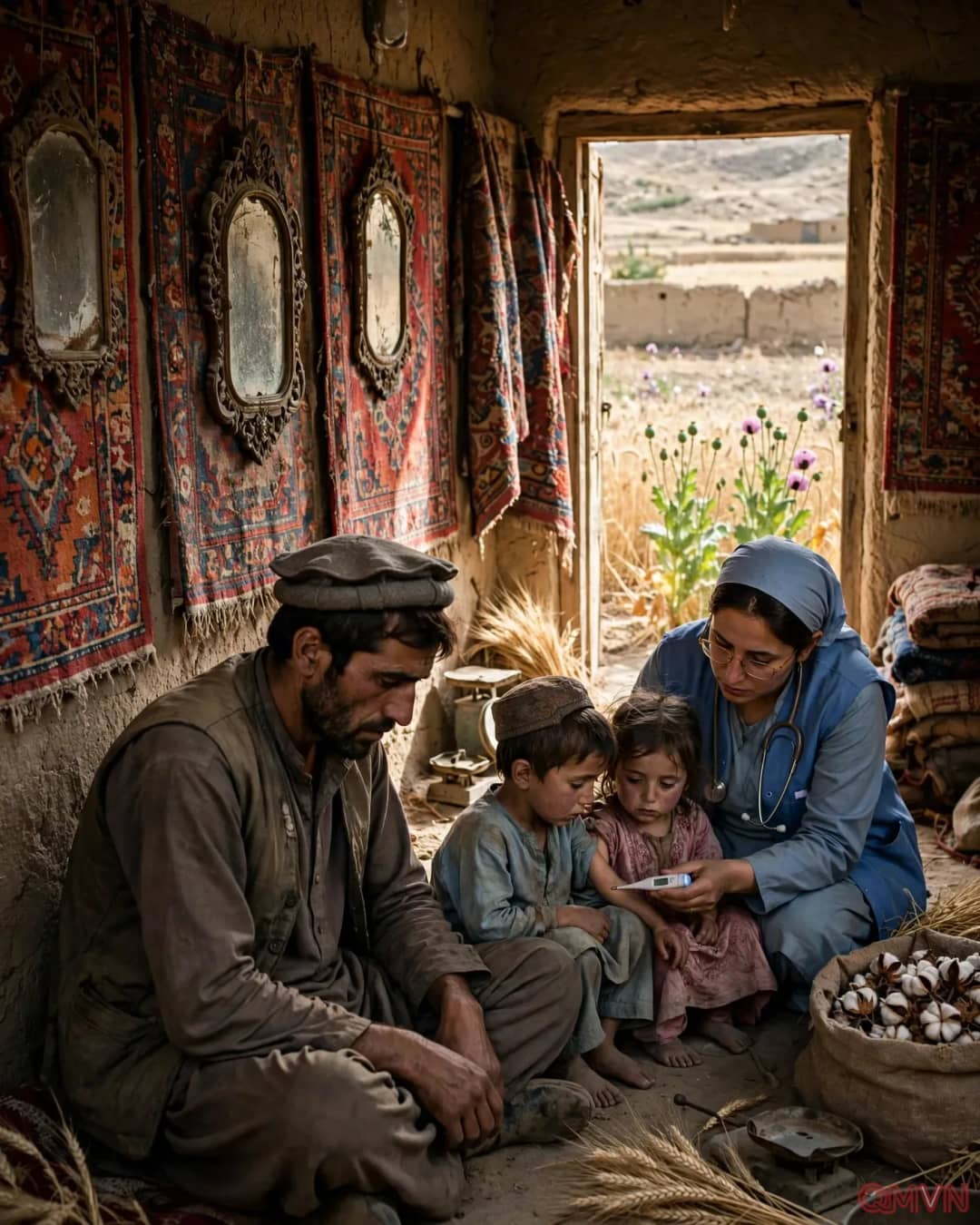
According to Reuters, carpets and ornate mirrors still adorn the home of Mohammad Dawood in Baba Yusuf village, Balkh province, in northern Afghanistan, relics of years when a single poppy harvest could carry his family through the year. Today, the 28-year-old spends his days in cotton and wheat fields that barely provide a living.
“Now, my children are malnourished.” — Mohammad Dawood
Dawood said he still complies with the ban, but on a bad day he earns one-fortieth of what he used to make with poppy. Not all his neighbours comply: Balkh, which UNODC found poppy-free last year, is growing poppy again this year.
Poppy cultivation rebounds
According to the UNODC report based on satellite imagery:
- Cultivation this year is estimated at about 43,300 hectares, more than four times the 2025 level.
- That is still only about a quarter of the 177,000 hectares planted in 2021, the year before the ban.
- Opium sales generated an estimated $525 million, the highest since 2018 except for 2022.
- Farmers hide poppies inside cereal fields and behind mud walls to avoid detection.