MAIN ARTICLE
An apparent pause in a turbulent market
As Saudi Arabia, Russia, Iraq, Kuwait, Algeria, Kazakhstan and Oman prepared for their October 4 online meeting, holding output targets steady looked less like inaction than recognition of a supply-chain emergency. Reuters reported that three sources close to negotiations described an agreement in principle covering November. Because the information came ahead of an official communiqué, it should be understood as a reported expectation, not confirmation that a final policy statement had already been issued.
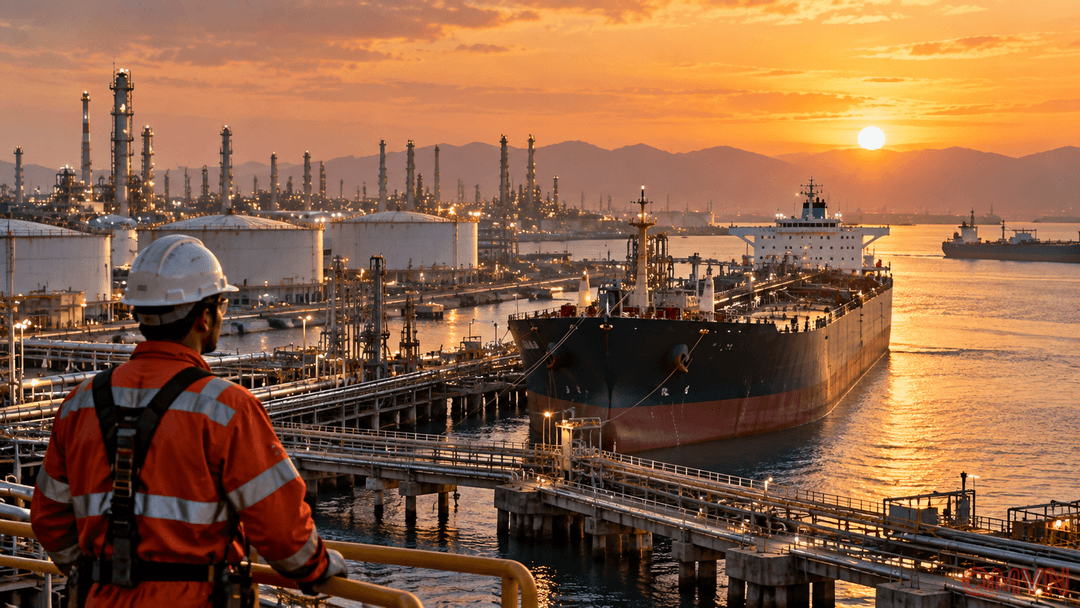
During much of 2026, the producer alliance sought to reverse years of voluntary restraint. By September, it had completed the phased return of a 1.65-million-barrel-a-day production cut. Yet authorizing additional supply has limited practical value when vessels, terminals and maritime insurance cannot operate reliably. The distinction between what member states are permitted to produce and what buyers can actually receive has become the defining feature of the crisis.
Why production quotas cannot move stranded barrels
According to OPEC figures cited by Reuters, the seven central participants produced about 25 million barrels daily in August, an increase of 630,000 from July but still around five million below their level before the war began in February. Exports by Gulf members have recently fluctuated between 60 and 80 percent of normal levels.