The Court's Ruling on the EPA's Responsibility in Noise Control
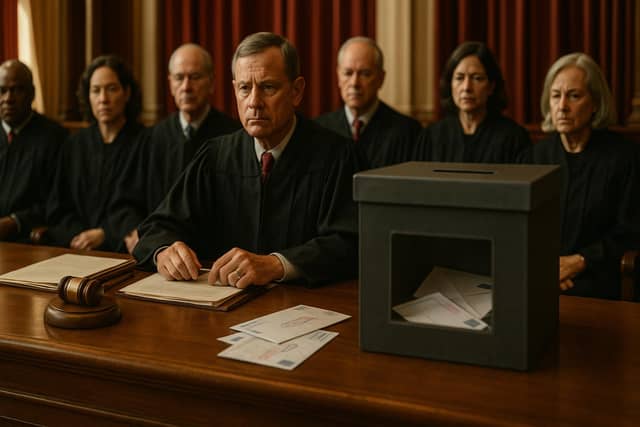
A federal US court recently determined that the Environmental Protection Agency (EPA) has failed to fulfill its legal obligations in controlling noise pollution for more than 40 years. In the lawsuit filed by the Quiet Communities organization and lawyer Jeanne Kempthorne, the court ordered the EPA to carry out its assigned tasks under the Noise Control Act of 1972 and the Quiet Communities Act of 1978, but the EPA argued that budget cuts since 1982 had disrupted the program. Judge Cobb rejected this argument, emphasizing that budget cuts could not eliminate the legal responsibility that Congress had never revoked.
This ruling shows that it is not that everyone has ignored noise, but rather the loss of specialized agencies and resources that has caused it to fade into obscurity in national policy.
Noise pollution is not a single issue, but a complex set of challenges
Noise in the workplace has clear accountability, for example OSHA oversees harmful noise levels and mandates hearing conservation programs - which have been effective due to clear responsibility. However, modern work environments contain many moderate but persistent sounds that reduce focus and increase mental fatigue, even though they do not violate any standards.
A similar situation occurs in public spaces like restaurants, retail stores, or hospital waiting rooms, where noise makes communication difficult, increases stress, and contributes to diminished human experience. Additionally, noise from traffic and technology has not been uniformly regulated or effectively managed.