MAIN STORY
How an oil report became a political confrontation
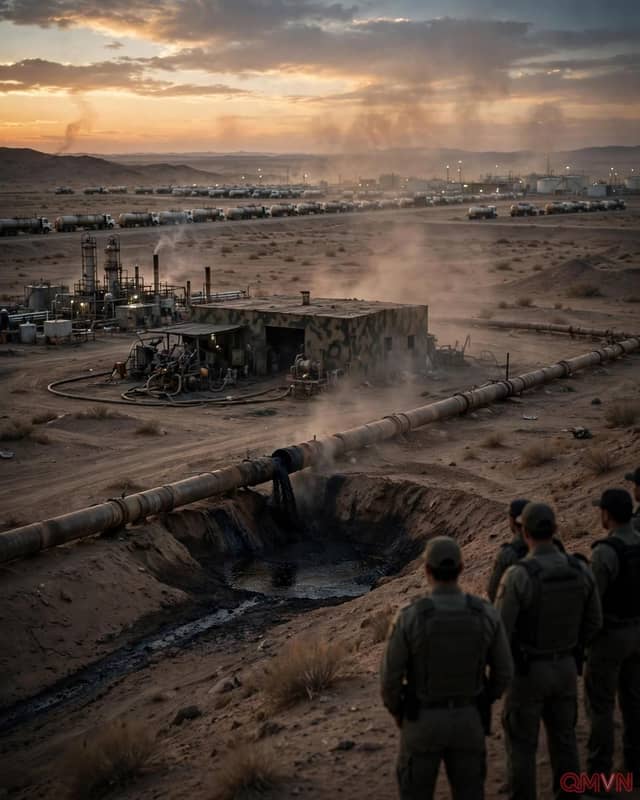
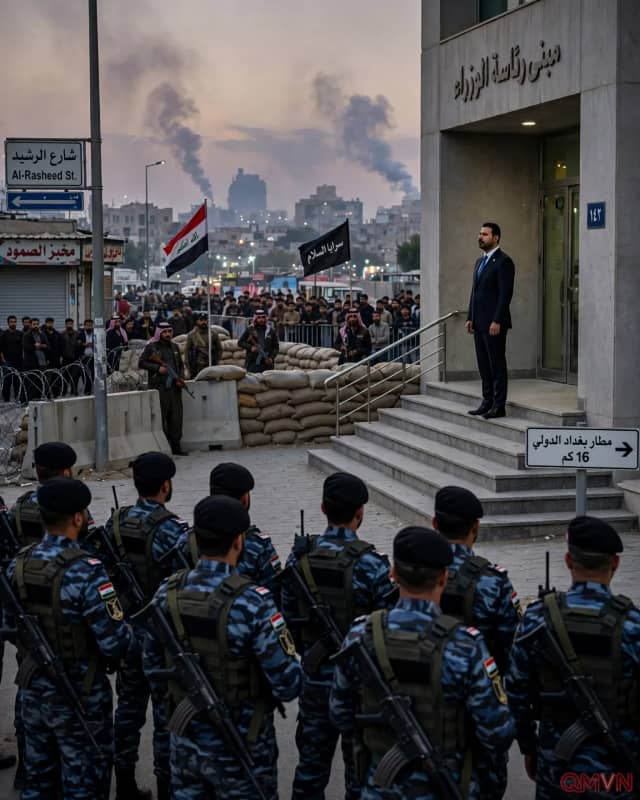
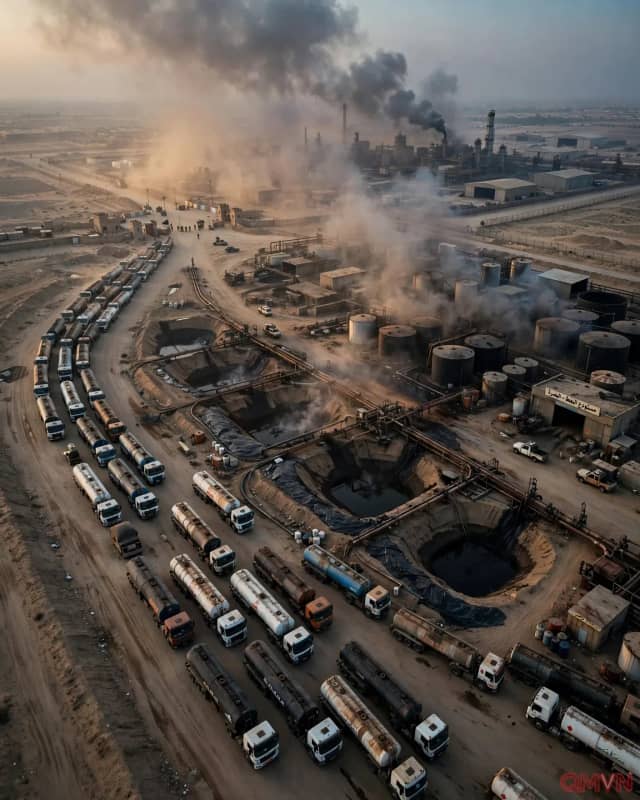
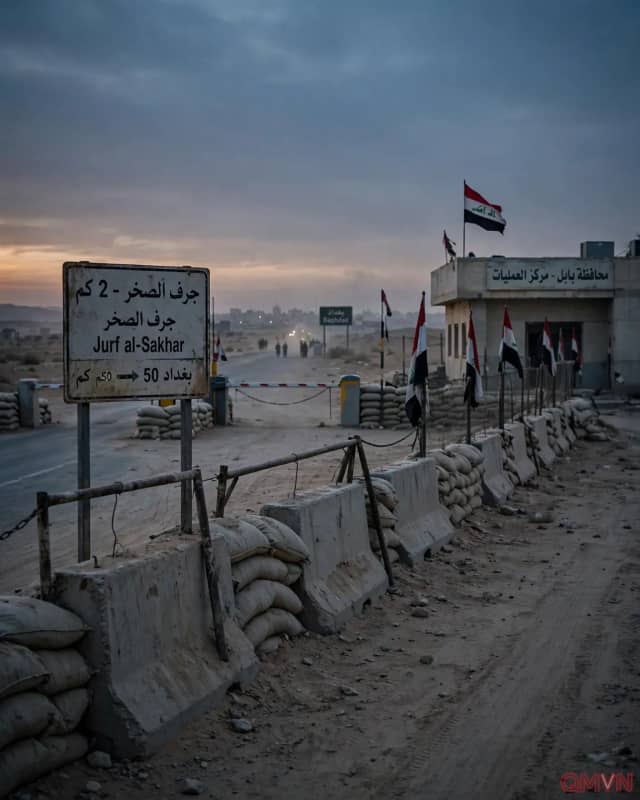
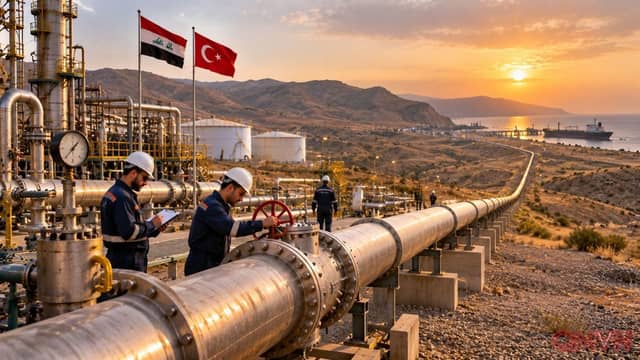
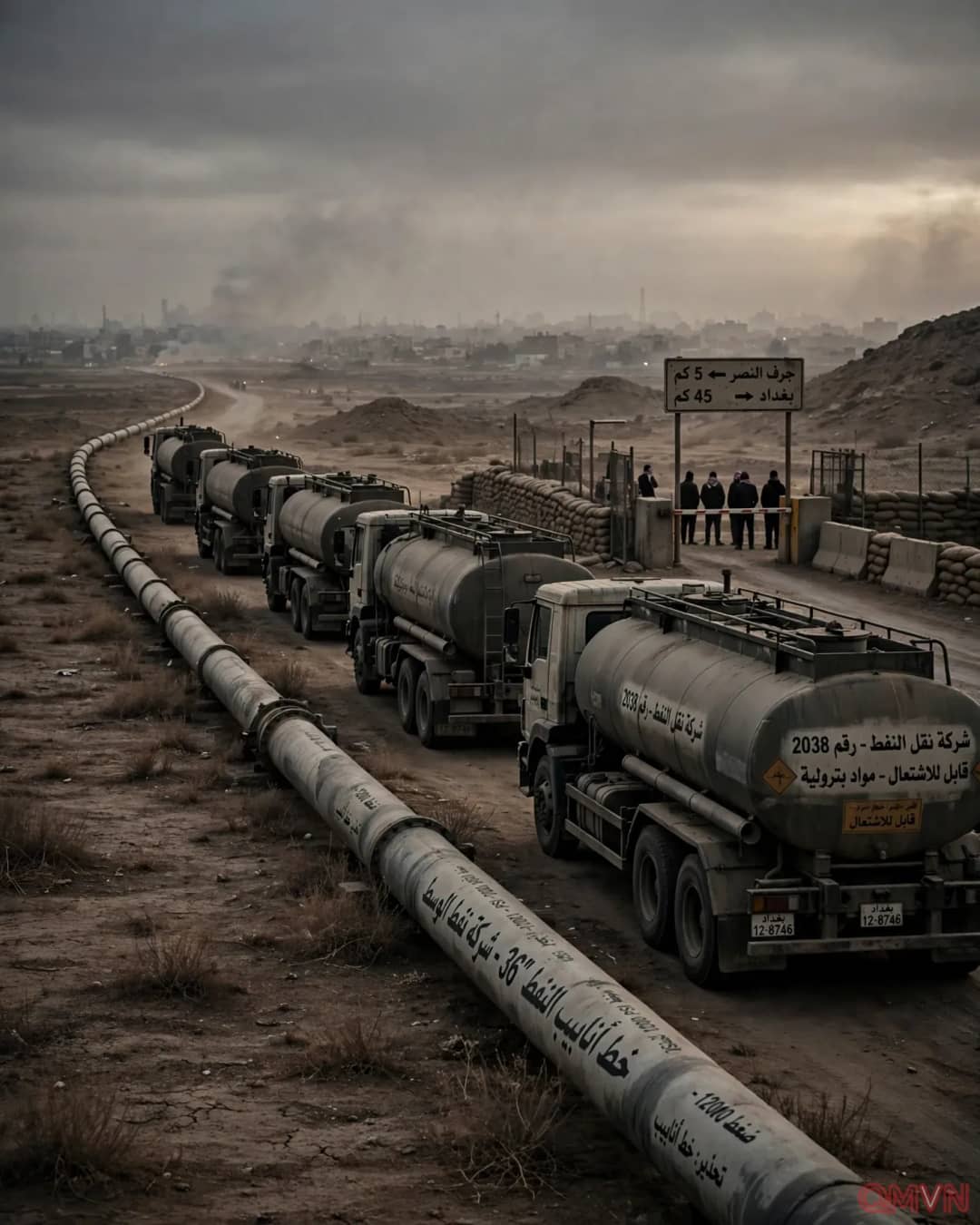
On November 11, Iraqi state media reported that Prime Minister Ali al-Zaidi had ordered an inquiry into suspected oil and petroleum-products smuggling in Jurf al-Nasr, also known as Jurf al-Sakhar, in Babil province. An intelligence report described in regional reporting referred to satellite images, tanker-truck sites and possible unauthorized extraction near pipelines. Such findings are investigative allegations, not court judgments establishing criminal liability.
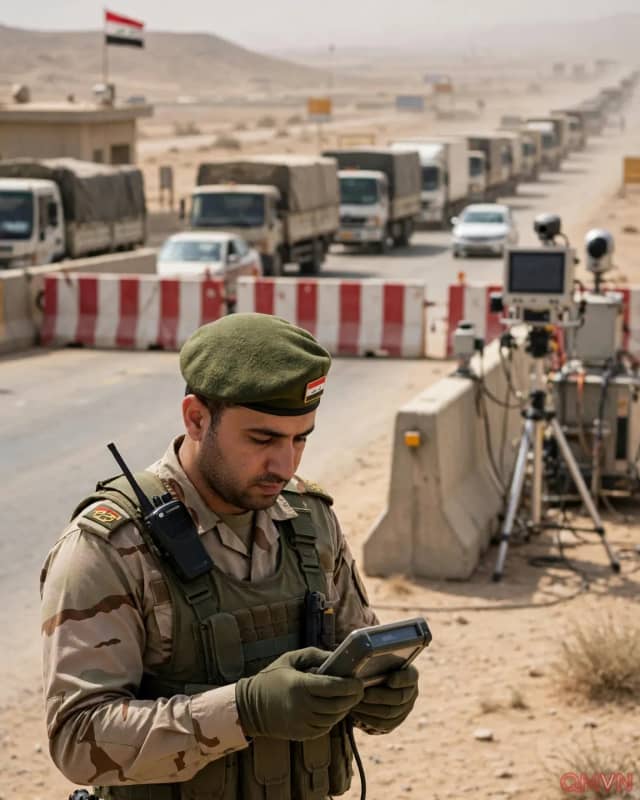
After an emergency security meeting on November 14, military spokesperson Sabah al-Numan said the committee had corroborated findings of oil smuggling and illicit refining facilities. The prime minister ordered suspects referred to the judiciary and removed nine officials. AFP and The National reported that those dismissed included provincial security chiefs and the head of the Oil Pipelines Company at the Oil Ministry. Authorities did not publicly identify every suspect or disclose the legal evidence against each individual.
Two accounts of the same contested territory
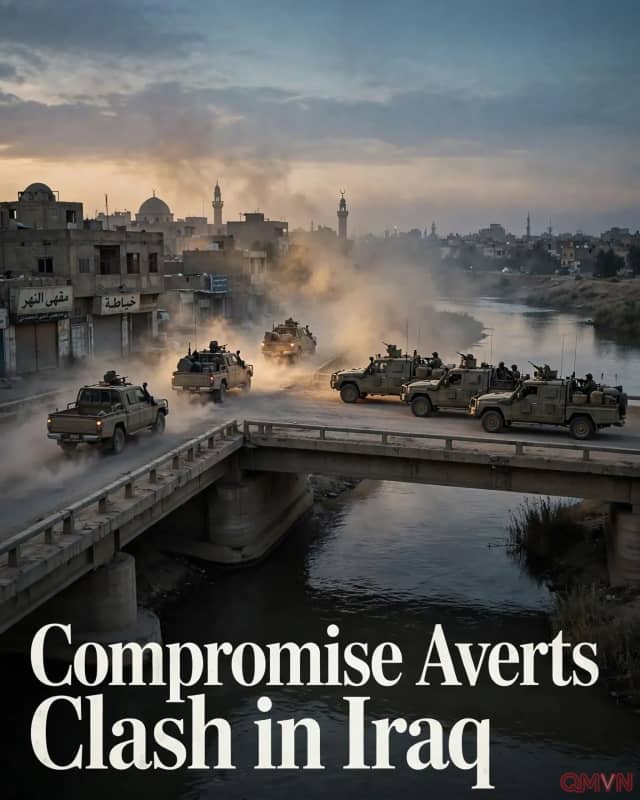
In a November 15 statement, Kataib Hezbollah denied any role in the alleged operation, accused the prime minister’s office of disseminating falsehoods and portrayed the investigation as an attempt to force the faction to give up its weapons. The organization said its members accompanied inspectors into the area on November 13 and that the visit found no pipeline tampering.