The IRAP Option
According to the sources, raising the IRAP – a regional corporate tax – on all companies that produce, distribute and supply energy products would help cover the government’s funding needs. In February, Italy already raised IRAP on energy firms for 2026 and 2027 to 5.9% from 3.9%, aiming for around €1 billion of extra revenue over the two years. Options under discussion include:
- A further increase in the IRAP rate on energy companies.
- Extending the current 5.9% rate through 2029.
- Combining it with the extra revenue already planned from the financial sector.
The government is due to approve the 2027-2029 budget next week, with the aim of funding tax cuts and spending increases to help people cope with rising prices.
The Last Budget Before the Election
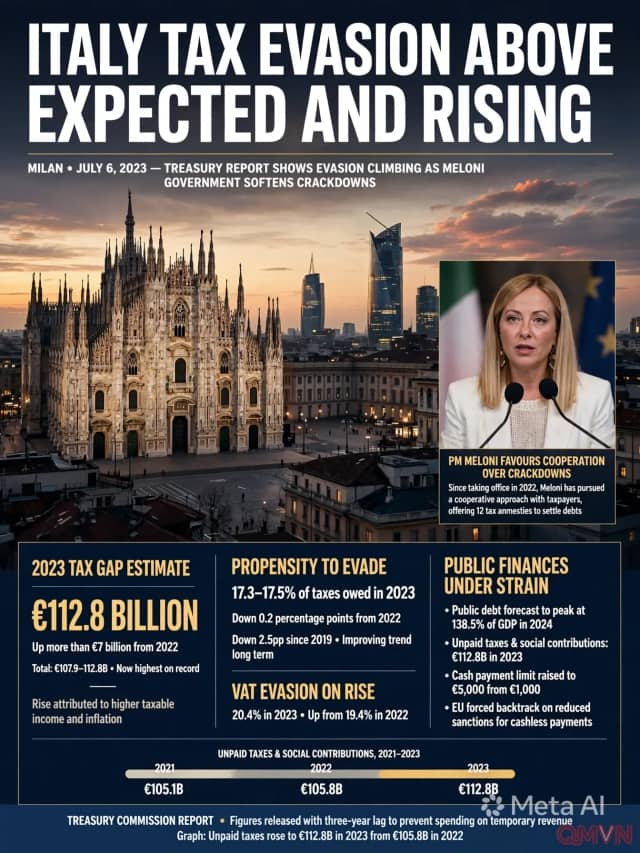
This is Prime Minister Giorgia Meloni’s last budget before national elections due next year, and balancing the numbers has never been harder, with both energy and borrowing costs soaring. The Treasury’s Draft Budgetary Plan, published last week, made no reference to new levies on energy firms.
However, the document showed Rome was planning unspecified tax hikes totalling €10-11 billion, or 0.44% of national output, over the next three years. It also envisaged a similar amount of extra revenue from the financial sector through 2029.
Eni’s Soaring Profits
Last month, leading energy groups including state-controlled Eni announced price caps to help Meloni curb fuel prices, a move widely seen as an attempt to deter the government from imposing a windfall tax. On Friday, Eni said it would pay a €1.3 billion special dividend and expand its share buyback after third-quarter net profit more than doubled from a year earlier, propelling its shares to a near 20-year high.
Earlier, in the first half of 2026, Eni’s adjusted net profit had risen 43% to more than €3.6 billion. The stark contrast between record profits at energy companies and ever-heavier household bills is why political pressure to tax the sector keeps growing.
Anger on the Streets
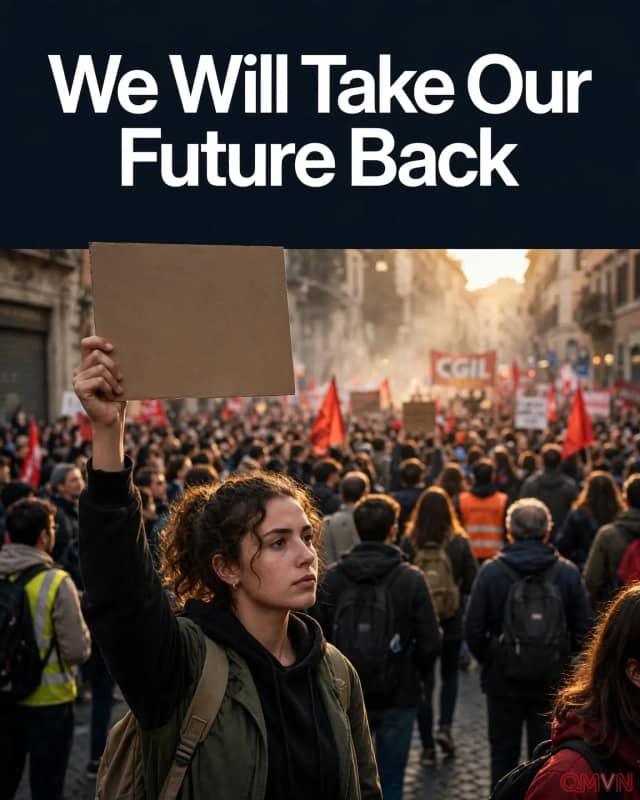
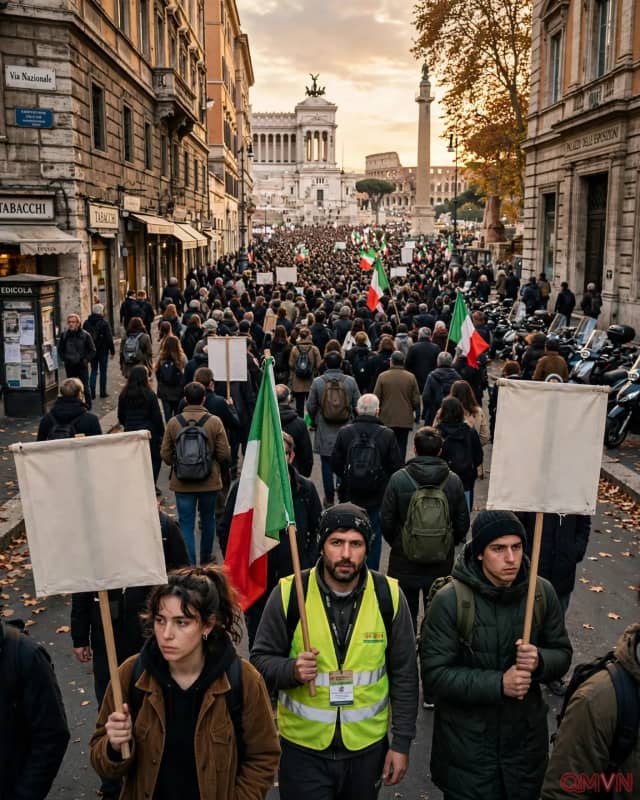
Despite the price caps, prices remain high and Meloni faces mounting pressure from protests in both southern and northern regions. Over the past week, truck drivers in southern Italy have blocked roads in protest against fuel costs, while riots in the north last weekend saw gangs of mainly young people go on the rampage in Milan and other cities. Most recently, taxi drivers’ representatives promised a rally outside the economy ministry on Monday to demand government support to offset sky-high diesel prices.
Meloni’s challenge is therefore not just about numbers. It is a balancing act between supporting citizens, maintaining fiscal discipline in a highly indebted country and keeping the energy sector attractive to investors – right before a decisive election.