A record mandate
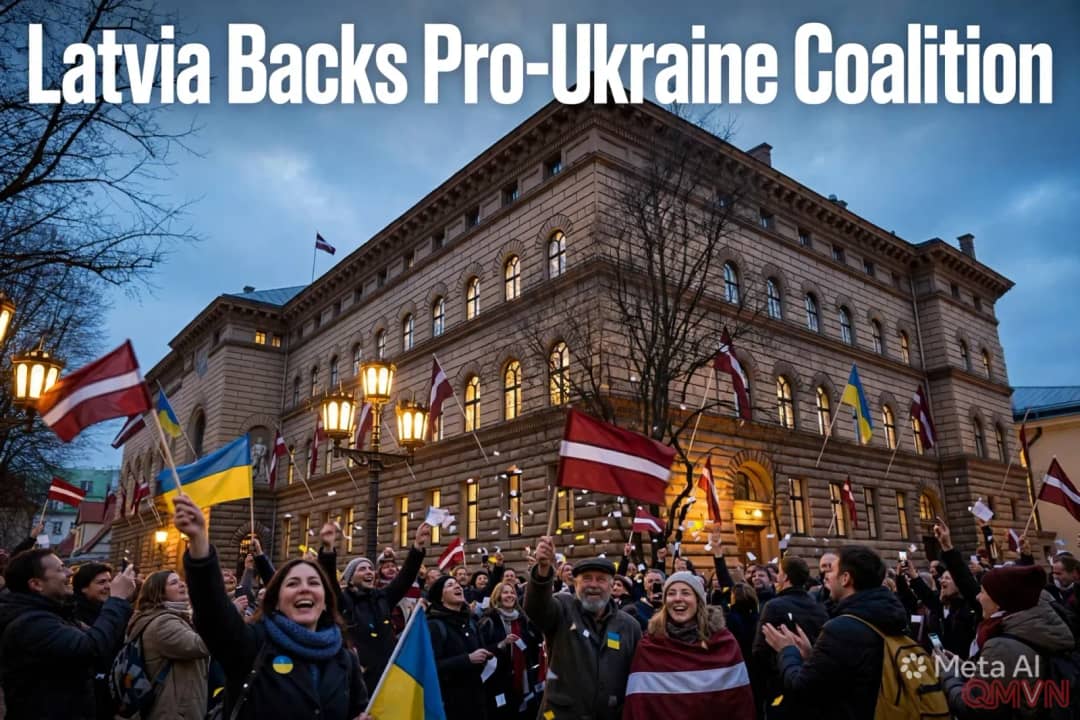
With nearly all ballots counted, the results gave United List a commanding lead in a parliament where parties need at least 5 percent of the vote to win seats. Only six parties cleared the threshold. According to the Central Election Commission and Latvian media, the new Saeima will look like this:
- United List won 35.3 percent and 42 seats, surpassing the previous records of Latvian Way's 36 seats in 1993 and Unity's 33 seats in 2010.
- Latvia First came second with about 13 percent and 17 seats, followed by Sovereign Power with 15 seats.
- The National Alliance won 10 seats, the Progressives 9 and New Unity 7, while the Union of Greens and Farmers, a member of the outgoing coalition, fell below the threshold.
Nearly 1.56 million people in the country of more than 1.8 million were eligible to vote for the 100 members of the single-chamber parliament for a four-year term. Turnout was about 51.8 percent, with roughly 800,000 Latvians casting ballots in the 11th parliamentary election since independence from the Soviet Union.
From crisis to victory
Kulbergs's rise has been swift. In May, a political crisis over the handling of stray drones suspected of coming from Ukraine brought down the governing coalition, which had already been strained by disputes over several other issues. Parliament then approved a four-party coalition led by Kulbergs, whose United List had previously been in opposition, and he took office on May 28.