MAIN ARTICLE
From the school gate to a national debate
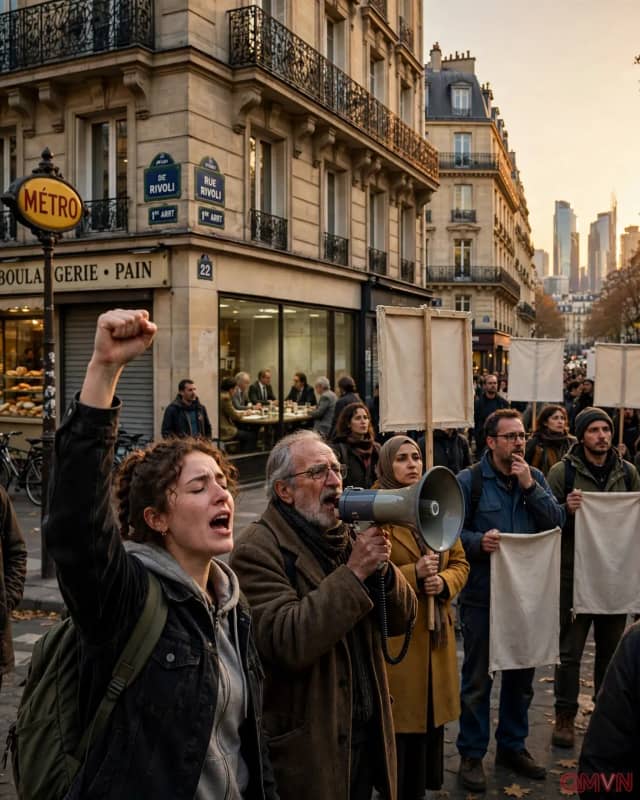
The autumn 2026 demonstrations began with concrete grievances: dilapidated buildings, leaking roofs, unfilled teaching posts and anxiety about life after graduation. Le Monde reported that demands varied between schools and also encompassed canteen meals and other everyday conditions. These seemingly local complaints touch a foundational promise. When children encounter neglect in the place meant to prepare them for adulthood, claims of equal opportunity sound increasingly remote.
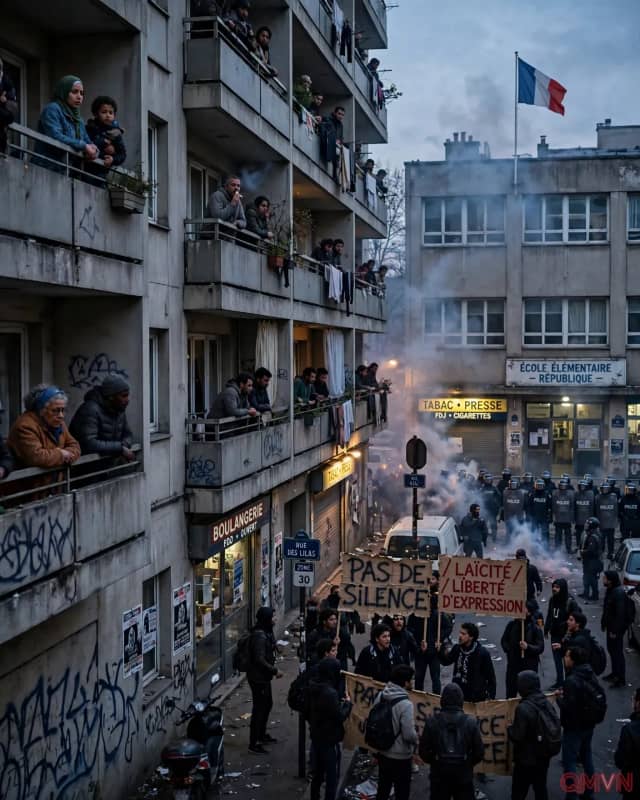
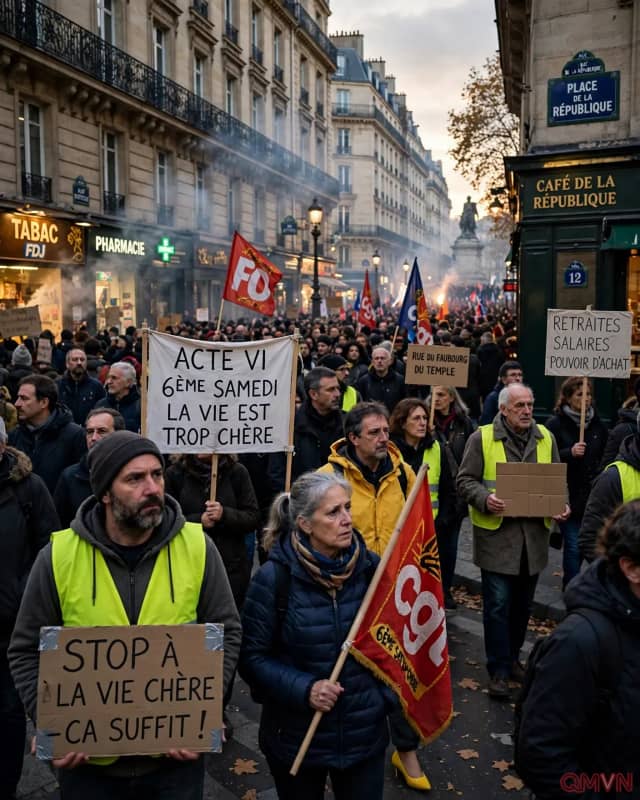
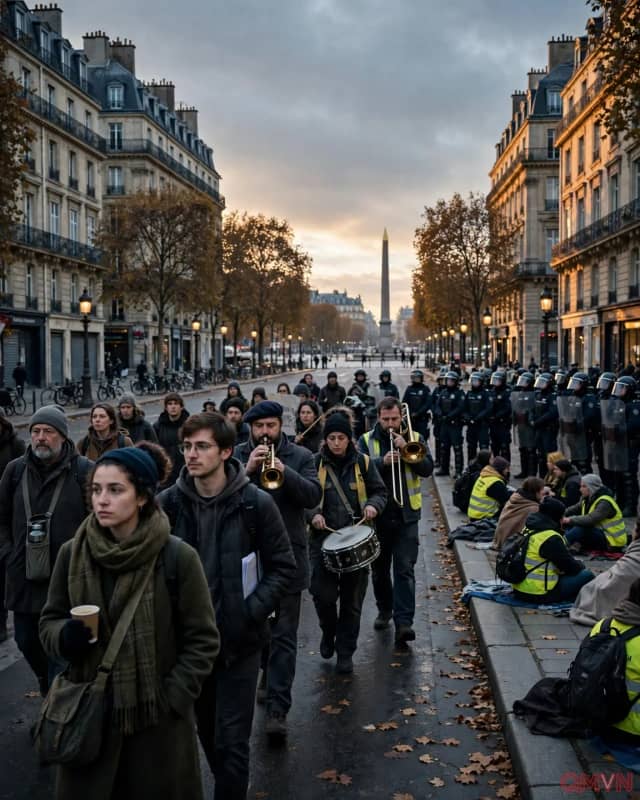
The school protests became intertwined with anger over living costs and disputes about policing. Authorities reported gatherings, some property damage and the presence of violent outsiders at certain demonstrations. Protesters questioned the use of force. Neither the violence of a few nor the danger of disorder should erase the legitimacy of peaceful students seeking changes. Equally, the rights of other pupils to learn and travel safely matter.
The important outcome so far is not that a slogan has automatically rewritten the budget, but that students have forced education back into national conversation. AP reported some concessions while making clear that grievances remain. For a generation that often feels decisions happen somewhere beyond its reach, involvement in setting priorities can matter as much as the repair of a school building.