The economy holds up, the politics do not
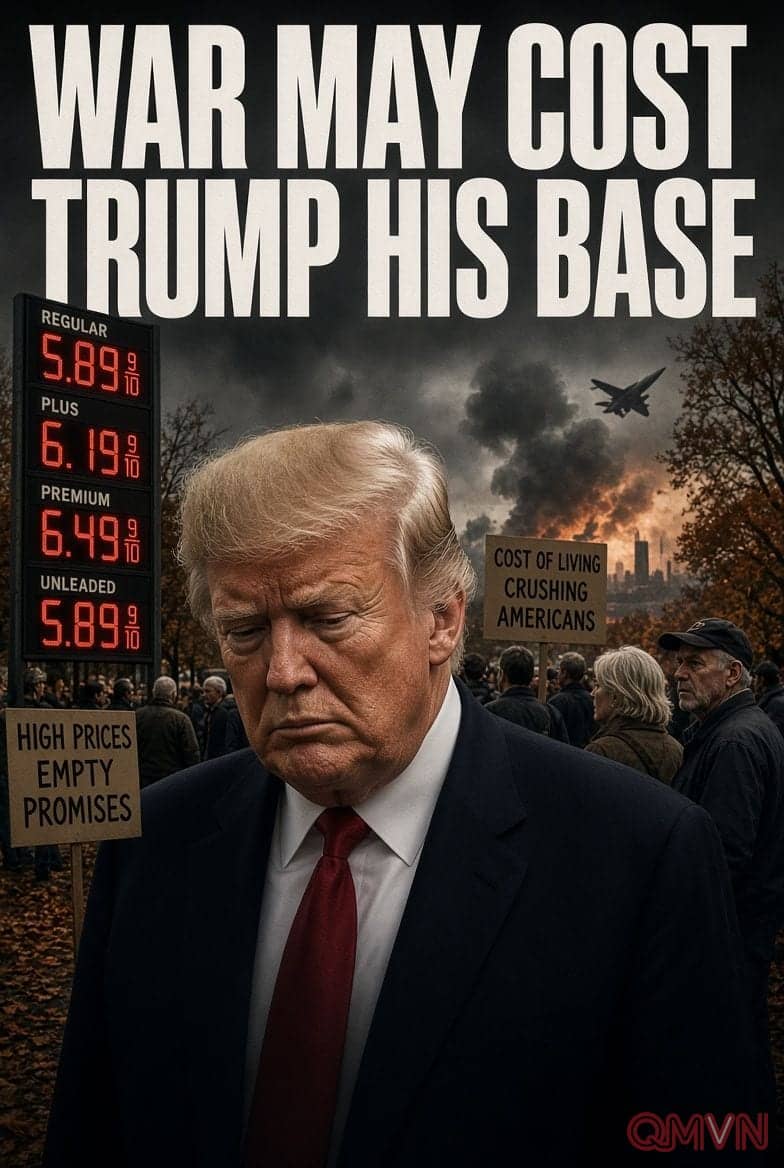
Six months after President Trump and Defense Secretary Pete Hegseth launched their attack on Iran, street protests over fuel prices are spreading around the world. Yet oil prices have stayed below $100 a barrel for most of the war. In the United States, gasoline prices and inflation have both risen, but compared with the dire warnings of economic disaster heard in the spring, Wallace-Wells judges the actual impact to have been relatively modest.
On the political front, the picture is entirely different. Recent polls show that only about a third of Americans approve of how Trump has handled the war, while eight in ten say the conflict has raised the cost of living, the very issue voters care about most.
The military and economic cost of the war
According to the analysis, the conflict has produced some sobering figures:
- Officially, 18 American service members have been killed, and some reports suggest the true toll may be higher.
- The Congressional Budget Office (CBO) estimates the war has cost the Pentagon $38 billion, a figure that keeps rising every month.
- Americans have paid more than $100 billion extra for fuel, equivalent on an annual basis to nearly 1% of GDP.