MAIN CONTENT
A warning, not yet an order
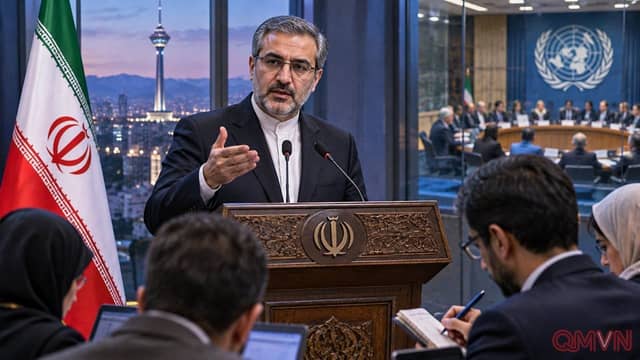
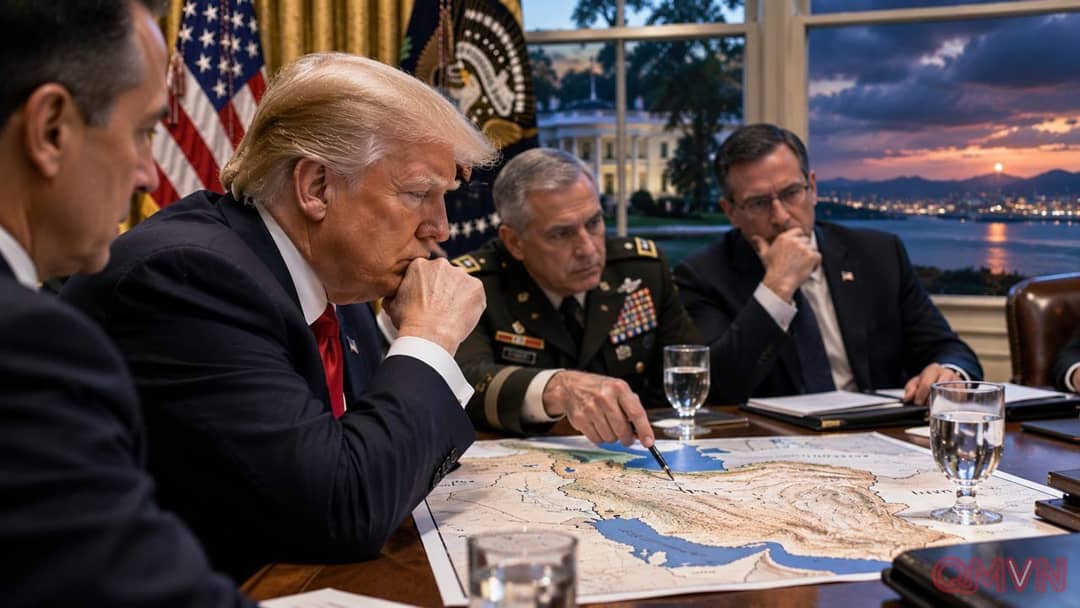
Speaking to reporters on November 5, Trump asked whether Washington should go further in its campaign against Iran. He said the purpose would be to ensure that Iran’s nuclear program could never again present the danger that his administration describes. The remarks were an unmistakable political warning, but they did not constitute an announcement of fresh strikes. That distinction matters because presidential threats can move oil prices, unsettle regional governments and alarm civilians even before military plans are carried out.
“I would rather not destroy the rest of the country if possible, but maybe I will have to.” — Donald Trump. His words simultaneously projected coercive pressure and left open an alternative course. Reports by Axios and Fox News said US Central Command had prepared contingencies for renewed large-scale operations but had received no new operational directive. Claims about specific targets or an imminent date should therefore be treated cautiously rather than presented as established facts.
The midterms change the political calculation
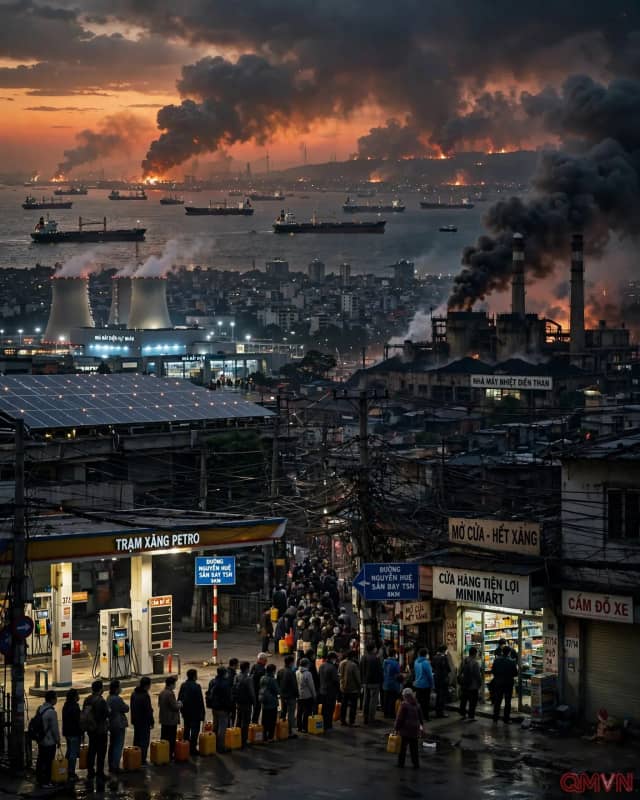
Democrats won both houses of Congress in the early-November midterms and will take control when the new legislature convenes in January 2027. Associated Press reporting identified living costs and the effect of the Iran war on gasoline prices among voters’ major grievances.