MAIN CONTENT
The handshake followed an agreement, not the reverse
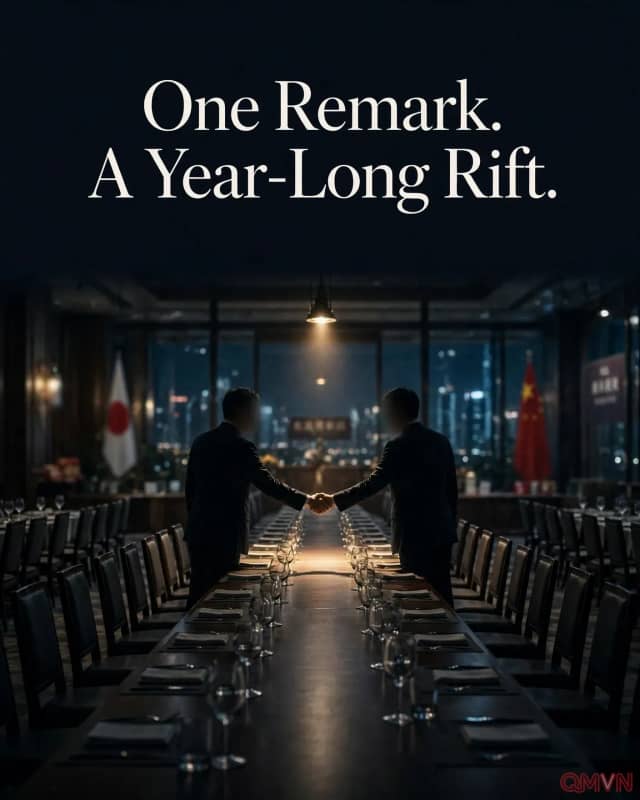
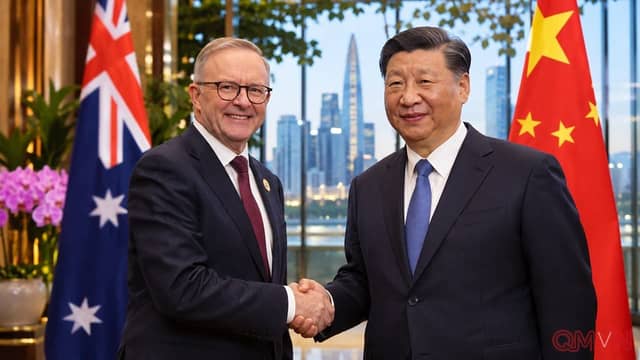
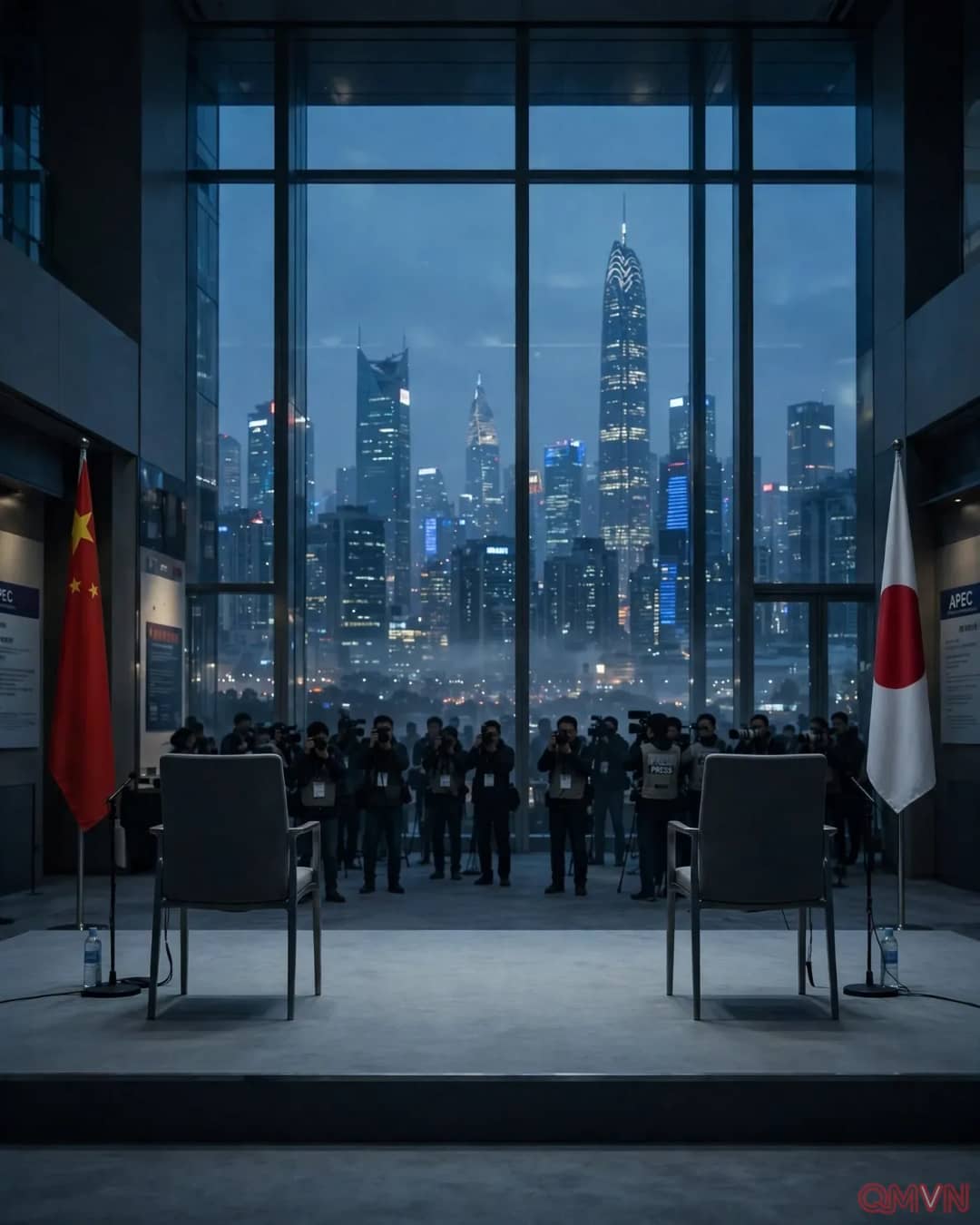
On November 10, 2014, Xi Jinping met then Japanese prime minister Shinzo Abe for about 25 minutes on the sidelines of the Beijing APEC summit. Their guarded handshake became a visual shorthand for rapprochement. Yet the diplomatic groundwork preceded the photograph: on November 7, the governments announced a four-point understanding on improving relations, confronting historical difficulties and managing tensions around disputed East China Sea waters.
The immediate crisis concerned the Senkaku islands, administered by Japan and claimed by China as Diaoyu, particularly after Tokyo’s 2012 purchase of several islands from a private owner. Neither side abandoned its territorial position. Instead, both accepted the importance of talks and a mechanism to prevent incidents from spiralling into confrontation. The leaders’ encounter ratified painstaking prior work; it did not create consensus out of thin air.
Taiwan reshapes the diplomatic calculation
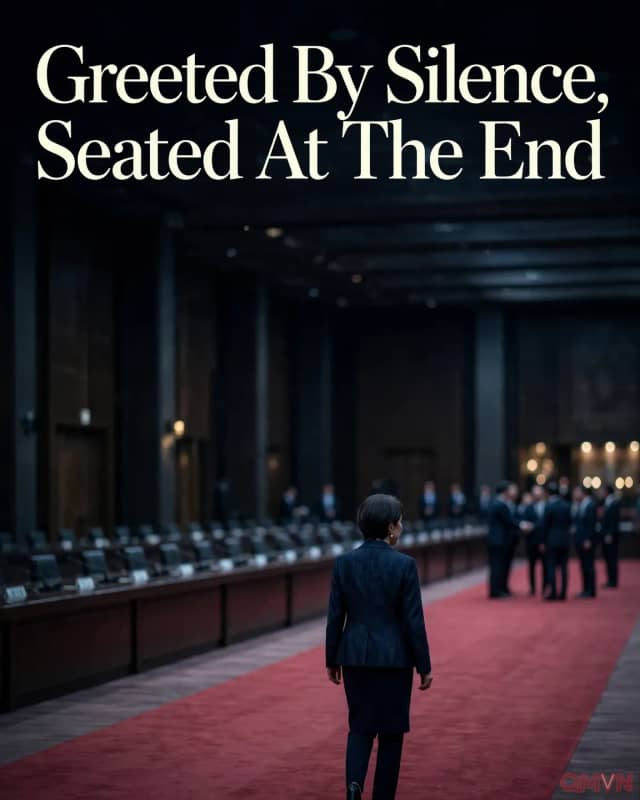
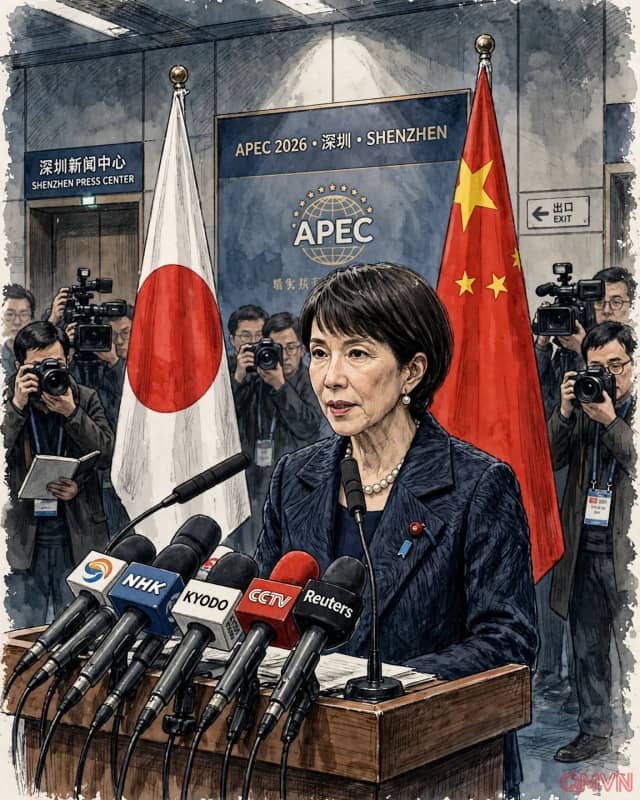
In 2026, the sharpest dispute revolves around Takaichi’s comments on a Taiwan contingency and the possibility of a Japanese security response under domestic law. Beijing regards such discussion as unacceptable interference in what it considers an internal matter and has demanded a correction.