A withdrawal before the verdict
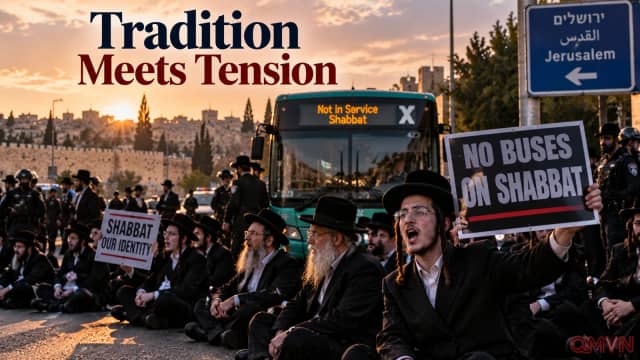
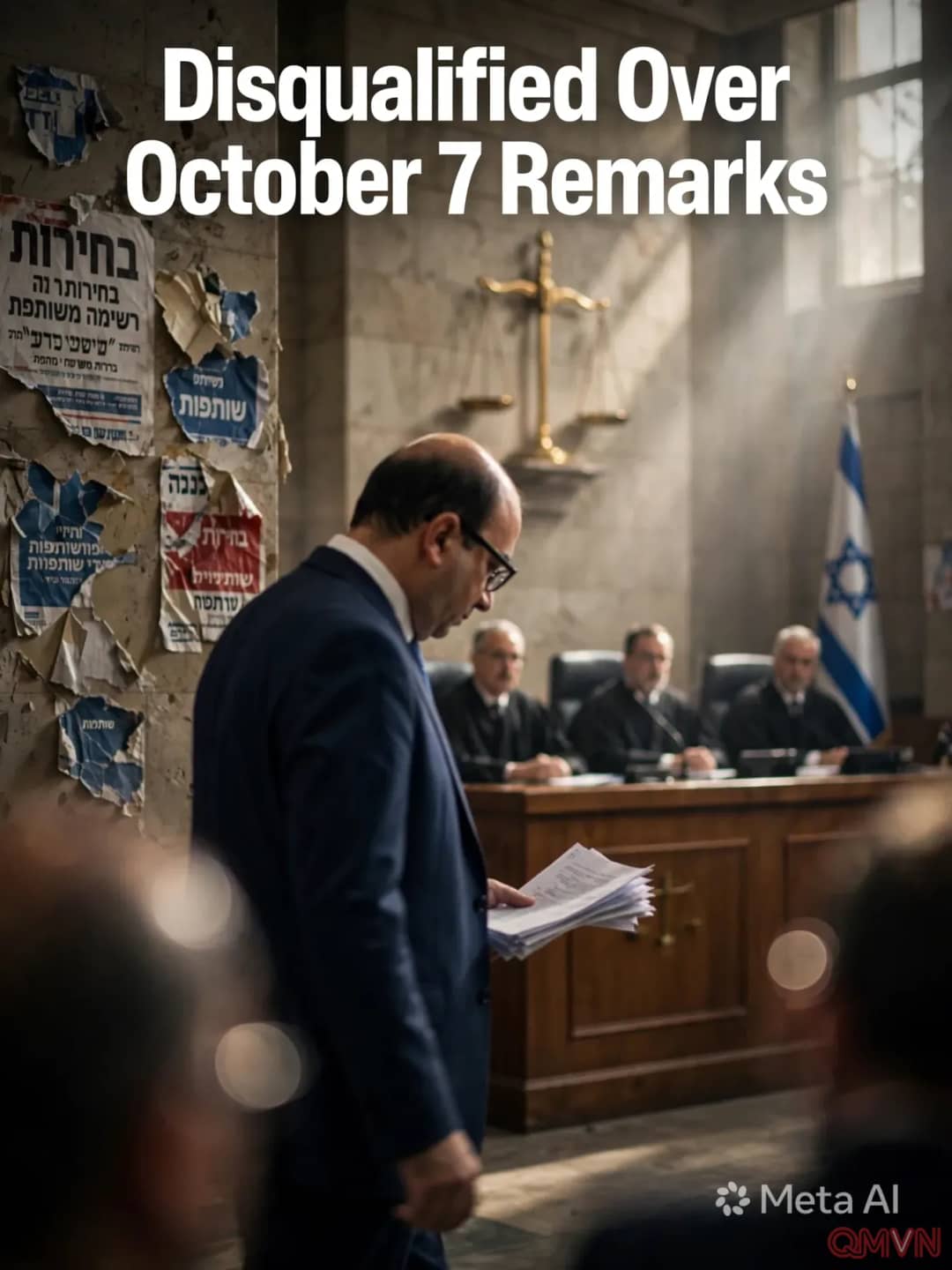
The decision came late on Thursday, hours after a tense hearing in Jerusalem. Supreme Court President Yitzhak Amit told Abu Shehadeh that most of the nine justices were inclined to confirm the ban and gave him until Friday to step aside. His party, Balad, which runs within the Joint List alliance, announced that he would withdraw, citing political responsibility toward its voters and the risk that a formal ruling could damage Arab parliamentary work as a whole.
The court later explained that the justices had been unanimous in finding his statements deeply offensive, calling them painful and repugnant, but had differed on whether they crossed the legal threshold for exclusion. By stepping back, Abu Shehadeh made the question moot and avoided a binding precedent.
Elsewhere, the ruling went the other way. The justices unanimously restored the Arab party lists that the Central Elections Committee had tried to remove, and by a 7-2 majority allowed Ofer Cassif, a Jewish Communist lawmaker known for his support of Palestinian causes, to stand.
One article, two readings
At the centre of the case is a text that Abu Shehadeh, a historian from Jaffa who sat in the Knesset from 2019 to 2022, published the day after the October 7 attack, in which fighters killed about 1,200 people and took 251 hostages into Gaza. His description of that day as an important historical event struck many Israelis as an endorsement of mass murder.